U.S. Stock Futures Edge Lower as Iran Impasse Lifts Oil, Busy Week Looms
U.S. Futures Retreat Amid Renewed U.S.-Iran Tensions
By 03:30 ET (07:30 GMT) on Monday, futures tied to the main U.S. equity benchmarks were modestly lower. The Dow futures contract fell by 86 points, or 0.2%, S&P 500 futures slipped by 8 points, or 0.1%, and Nasdaq 100 futures declined by 19 points, or 0.1%.
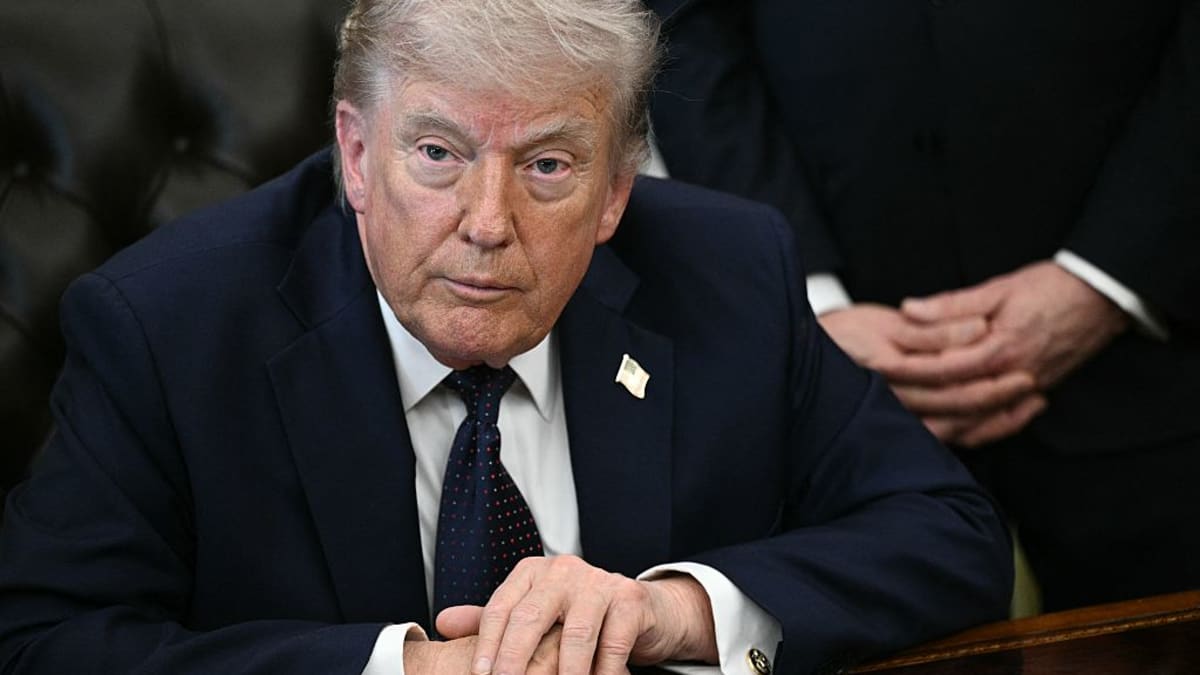
The moves come after the benchmark S&P 500 and the tech-heavy Nasdaq Composite ended the prior week higher, supported by expectations that Washington and Tehran might restart talks aimed at ending their weekslong war and reopening the Strait of Hormuz. Over the weekend, however, U.S. President Donald Trump called off sending negotiators to Pakistan for fresh discussions with Iran, extending the current impasse.
Trump said Tehran can “call me” because Washington holds “all the cards.” Analysts at Vital Knowledge said “there will probably be a million more Iran headlines” for markets to process in the coming days, underscoring the potential for continued headline-driven volatility.
Oil Prices Rise as Strait of Hormuz Stays Closed
The Strait of Hormuz, a key conduit for around one-fifth of the world’s oil, “remains shuttered,” curbing supplies and keeping upward pressure on crude prices. By 03:40 ET, Brent oil futures were up 2.4% at $107.87 a barrel, while West Texas Intermediate crude futures gained 2.3% to $96.58 a barrel.
According to a report from Axios cited in the market commentary, Iran has offered the U.S. a new proposal to reopen the strait and end the conflict, with discussions on Iran’s nuclear ambitions postponed to a later stage. Despite this, supplies through the waterway are still described as scant, supporting the latest advance in oil benchmarks.
Earnings Rush and Central Bank Focus, Including BOJ
Verizon is scheduled to report quarterly earnings before the U.S. market open on Monday, kicking off what is described as a “frenzy” of corporate results this week. The slate includes returns from artificial intelligence hyperscalers, which are likely to draw close attention from investors following the sector.
On the monetary policy front, markets are also watching the Bank of Japan. The BOJ is widely expected to leave interest rates unchanged at the conclusion of its April 28 meeting, with the benchmark short-term rate projected to remain at 0.75%. However, the central bank may adopt a more hawkish tone in response to rising inflation pressures and higher oil prices.
FAQ
Why are U.S. stock futures lower today?
U.S. stock futures are lower due to renewed uncertainty around U.S.-Iran negotiations, the continued closure of the Strait of Hormuz, and investor caution ahead of a busy week of earnings and central bank decisions.
How are oil prices reacting to the situation in the Strait of Hormuz?
Oil prices are rising, with Brent futures up 2.4% to $107.87 and WTI futures up 2.3% to $96.58 by 03:40 ET, as the ongoing closure of the Strait of Hormuz restricts supplies.
What is expected from the Bank of Japan this week?
The Bank of Japan is widely expected to keep its benchmark short-term interest rate at 0.75% at its April 28 meeting, though it may strike a more hawkish tone in light of higher inflation and oil prices.
Which major company is starting this week’s earnings season?
Verizon is set to report earnings before the opening bell on Monday, initiating a busy week that also includes results from artificial intelligence hyperscalers.
Share
Hot topics

STP, NDD, ECN and DMA: Broker Execution Models Decoded
When picking a forex broker, we don’t just look at the brokerage that has the lowest spreads, bonuses, and other kind of what is apparent for us. There is one...
Read more



Submit comment
Your email address will not be published. Required fields are marked *