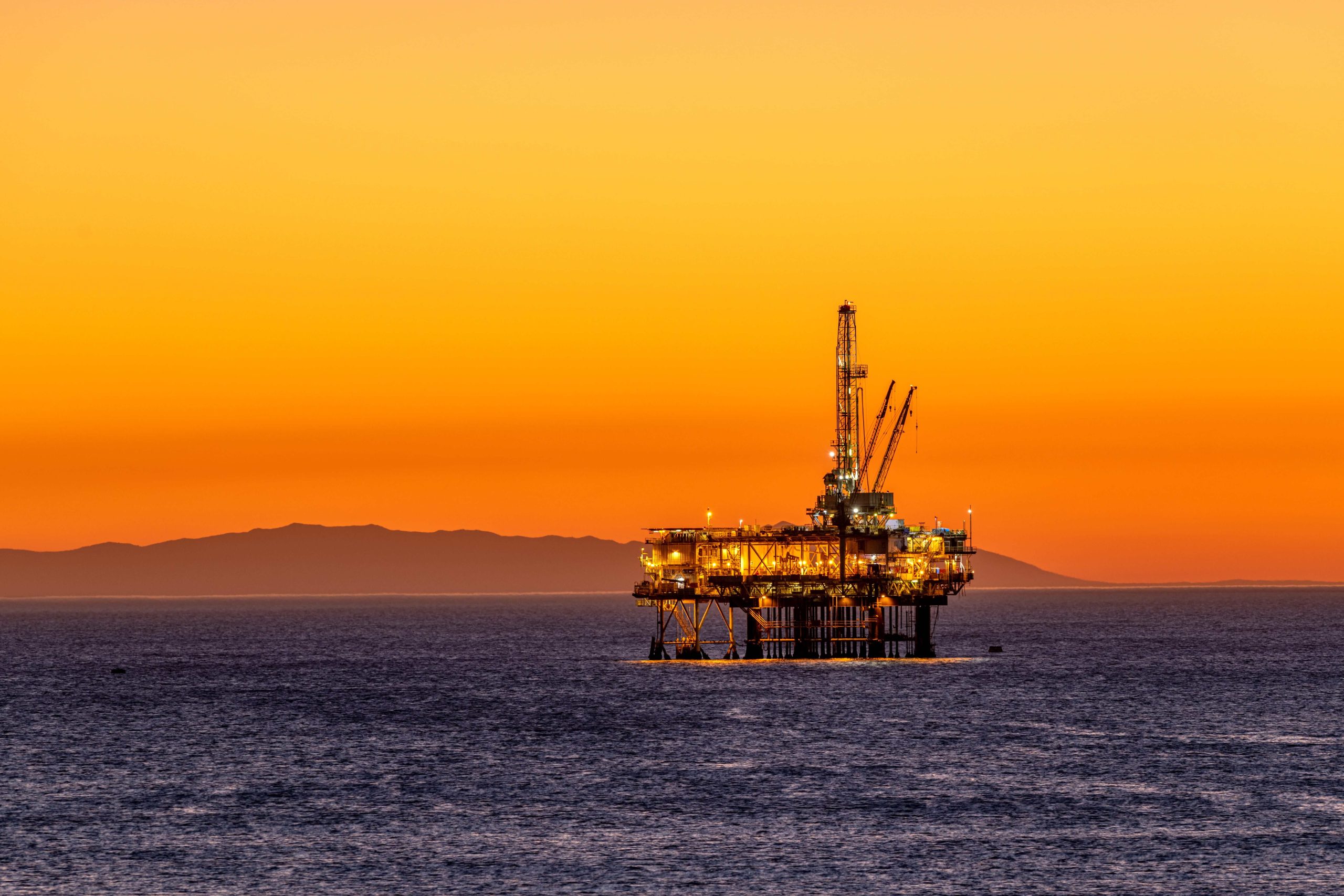
Oil prices surge as U.S.-Iran strikes revive supply concerns
Oil prices rebound on renewed hostilities
Brent oil futures for July delivery jumped 3.8% to $97.83 a barrel by 00:16 ET (04:16 GMT), while West Texas Intermediate (WTI) crude futures climbed 4% to $92.26 per barrel. The gains followed steep declines on Wednesday and broader losses earlier in the week, which had been driven by market bets that a peace deal between the U.S. and Iran was close.
The price recovery came after Iran's Revolutionary Guard confirmed it had struck a U.S. airbase in Kuwait, describing the move as retaliation for American attacks on Bandar Abbas earlier in the day. Kuwait separately reported that it was defending against missile and drone attacks, without specifying the source.
These developments marked a resumption of open hostilities between Washington and Tehran, despite repeated U.S. assertions that a ceasefire remained in place. The U.S. had attacked Iran earlier in the week, framing the action as “self defense.”
Strait of Hormuz disruption and shifting peace expectations
Thursday’s price spike occurred against a backdrop of constrained oil flows through the Strait of Hormuz, a key maritime channel for global crude shipments. Reports over the past week indicated a steady trickle of ships passing through the strait, but volumes remained at a fraction of pre-war levels, with the closure continuing to disrupt about a fifth of global oil supplies.
Earlier reports had suggested Iran could reopen the Strait of Hormuz to commercial shipping within a month, contributing to the prior decline in crude prices. However, Trump on Wednesday dismissed such reports and later indicated he was not yet satisfied with a peace deal with Iran, undermining market expectations that an agreement was imminent.
While U.S. officials offered some optimistic comments on negotiations over the past week, the two sides remained divided over Tehran’s nuclear activities and the status of the Strait of Hormuz. Trump also rejected the notion of Iran and Oman jointly controlling the waterway, stating that no single country could control the channel.
FAQ
Why did oil prices rise on Thursday?
Oil prices rose because the United States and Iran exchanged air strikes, undermining expectations of a near-term peace deal and refocusing attention on supply risks, particularly around the Strait of Hormuz.
How much did Brent and WTI crude increase?
Brent oil futures for July rose 3.8% to $97.83 a barrel, while West Texas Intermediate crude futures gained 4% to $92.26 per barrel by 00:16 ET (04:16 GMT).
What is happening at the Strait of Hormuz?
The Strait of Hormuz remains partially closed, with only a trickle of ships passing through at volumes far below pre-war levels, disrupting about a fifth of global oil supplies.
What is the status of U.S.-Iran peace talks?
Although some U.S. officials made optimistic remarks about negotiations, both sides remain at odds over Iran’s nuclear activities and the status of the Strait of Hormuz, and Trump has indicated he is not yet satisfied with a peace deal.
Share
Hot topics

STP, NDD, ECN and DMA: Broker Execution Models Decoded
When picking a forex broker, we don’t just look at the brokerage that has the lowest spreads, bonuses, and other kind of what is apparent for us. There is one...
Read more




Submit comment
Your email address will not be published. Required fields are marked *