
Loss Management Habits of Successful Traders
Every trader hopes to find a strategy that delivers more winning trades than losing ones. However, seasoned traders recognize that success does not mean avoiding losses entirely but, rather, knowing how to deal with them.
Every week, even the best traders will have losing trades, but they never let one losing trade spill into months of losses. They rely on solid habits that guard their capital and keep them on course.
Good trading is not about predicting every single move of the market but instead involves making the right decisions every single time. This is why Loss Management is one of the most important skills a trader can acquire.
It doesn’t matter if you are new to trading or already have some experience – these five habits will allow you to avoid problems and reach success.
Why Loss Management Matters More Than Winning
Many beginner traders think successful traders win almost all their trades. However, in reality, this is very rare. Plenty of traders can remain profitable with a winning ratio below 60%.
Imagine two traders. Trader 1 has a high win rate of 80% on winning trades but incurs a lot of losses during losing trades. Conversely, Trader 2 has a lower win rate of about 50%. Nonetheless, Trader 2 keeps every loss under control. Thus, due to his efficient risk management, Trader 2 is earning more than Trader 1.
Indeed, trading is more about probabilities than certainties, as there is a risk in any trade. Experienced traders focus on protecting their capital before thinking about profits.
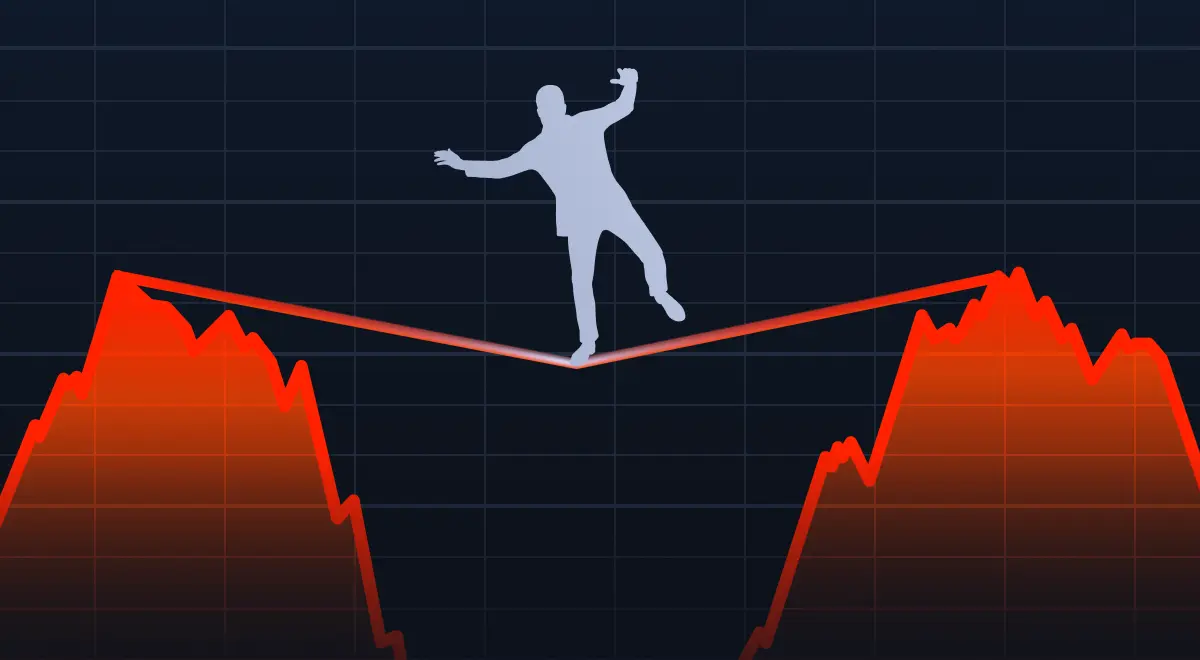
Habit 1: Accept Losses as Part of Trading
Avoiding losses is always desirable. Feeling despondent after experiencing a loss is a completely normal response.
The trouble arises when traders refuse to admit their losses, perhaps moving their stop loss to a greater distance, placing another trade immediately, or leaving a losing trade in place, hoping the market will change direction.
Consider the example of a shop owner. Some products may not sell very well, but the business is not necessarily failing—it is just a normal part of operating. The same is true of trading. Each loss can be viewed as a regular business expense. Traders should never evaluate their effectiveness based on one trade. In fact, they should only give themselves an assessment after performing tens or even hundreds of trades.
Accepting losses allows traders to feel less stressed. When they realize that losses are inevitable, they become more patient and make decisions based on logic rather than fear. A simple change in mindset can be very effective.
Instead of asking yourself the question:
“Why did I lose?”
Ask yourself this question:
“Did I follow my trading plan?”
If the answer is yes, the trade was successful, even if you lost money.
Traders should understand that markets are unpredictable, and their job is not to influence the result of trading, but to control their actions. Learning from every trade is one of the most valuable Forex Trading Habits because it encourages discipline instead of emotional decision-making.
Habit 2: Always Use a Stop Loss
One of the quickest ways to damage a trading account is to enter a trade without a stop loss. A stop loss limits the maximum amount of money that can be lost in a particular trade. Some traders don’t use this tool thinking the market would eventually work in their favor, which sometimes happens indeed.
However, there are many instances when it does not happen at all. Traders place a stop-loss order hoping it will never be triggered, while knowing it is there to protect their capital if the market moves against them.
A major market event, an economic news release, or a sudden increase in volatility can result in a significant price movement happening within seconds. If there is no guarantee, all created opportunities can vanish after weeks and months of work in the market. Successful traders establish the maximum acceptable amount of loss before they start a position.
Once the trade is in progress, it is rare for a trader to come back to this previous decision and alter it unless the system allows them to do so. In other words, using stop loss limits the emotional decision-making process. Rather than spending all day analyzing the market situation and making up their minds about closing the trade, traders simply act when the stop loss order is executed.
The cTrader Accounts provides traders with various risk management instruments that make it easy and effective to set stop-loss orders in their trading activity.
Risk Comparison
| Trading Style | Potential Outcome |
| No Stop Loss | Unlimited losses if price moves sharply |
| Stop Loss Too Wide | Larger losses than planned |
| Proper Stop Loss | Controlled and predictable risk |
| Trailing Stop | Protects profits while allowing trades to continue |
Habit 3: Limit Risk Per Trade
Whether you have a great strategy or not, the trade will blow up if risk management is not properly managed. Suppose you are risking 20% of your account in each trade. If you lose just five times, your account is finished, and it will be virtually impossible to recover.
Now take a case where you are risking just 1% of your account. You can incur some losses, but your account will remain strong enough to trade. For this reason, many professional traders tend to focus on consistency rather than emotion.
The common recommendation is to risk only a small percentage of the account in a single trade. Such an approach allows for controlling emotions because one trade cannot be that bad.
Another useful concept is understanding your Break-Even Point in Trading. Knowing how much you need to recover after a loss helps you realize why protecting capital is always easier than rebuilding it.
For example:
| Account Loss | Gain Needed to Recover |
| 5% | 5.3% |
| 10% | 11.1% |
| 20% | 25% |
| 50% | 100% |
The larger the loss, the harder recovery becomes. That is exactly why experienced traders think first about preservation rather than profit.
Capital Preservation Chart
Account Value
100% ██████████████████████████
90% ███████████████████████
80% ████████████████████
70% █████████████████
60% ██████████████
50% ████████████
↑
Recovery becomes significantly harder
Risk management might look tedious when compared to achieving winning trades. Nevertheless, it is usually the practice that distinguishes traders in the market who have made their way in trading for a number of years from those who quit after a couple of months.
Traders using Otet markets can apply these risk management principles regardless of their trading style.
Habit 4: Keep a Trading Journal
While traders tend to remember the major wins and losses, they forget the minutiae that led to them. A trading diary allows one to note these details while the events are still fresh in mind. This is not a complicated process. In fact, even a basic spreadsheet or notebook can give you a valuable tool for learning.
Make a note of your entry price, exit price, stop loss, profit and loss, and reason for taking the trade after every trade you make. You should also note how you felt before and after each trade. This may not seem necessary at first, but emotions play a larger role in decision-making than many traders realize.
One will find that many losing trades were made when they were tired, impatient, or under other stress. Without a trading journal, these patterns become invisible. With it, the patterns become self-evident. By looking at one’s journal week after week, one can identify the habits that aid success and those that hinder it.
Over time, a trading journal will become a person’s personal guide that no trading book can substitute for. The goal is not to create a flawless record of events, but to learn from one’s experience rather than repeating the same mistakes.
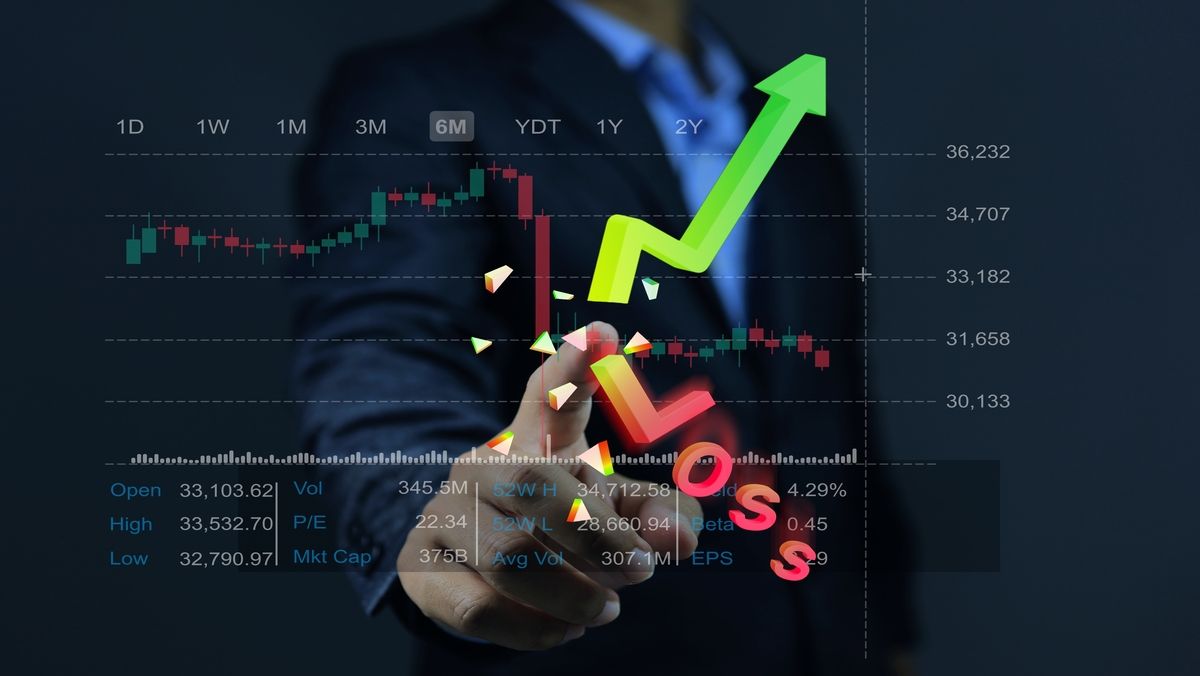
Habit 5: Avoid Revenge Trading
Every trader can relate to the frustration of a losing trade. This is because the urge to dive back into the market and recoup losses is at its peak. However, acting on emotion usually leads to even greater losses. The common definition of revenge trading is when traders operate from an emotional standpoint.
Experienced traders know that the market does not owe them anything, so if they suffer a loss, they will just wait for a good trading opportunity. There are traders who have a few rules they follow after losing money, such as taking a day off from trading after losing a specific amount or taking a short walk.
Such habits help traders gain a fresh perspective on the situation and make wiser decisions.
Common Loss Management Mistakes
Trading failures occur not due to unfavorable market conditions but because of common, easily avoidable mistakes.
The following table highlights some of the most frequent errors traders make and their potential consequences.
| Mistake | Why It Happens | Possible Result |
| Removing a stop loss | Hoping the market will reverse | Larger than planned losses |
| Increasing position size after a loss | Trying to recover quickly | Emotional decision-making and deeper drawdowns |
| Risking too much on one trade | Overconfidence after winning | Significant damage to trading capital |
| Ignoring the trading plan | Fear of missing opportunities | Inconsistent performance |
| Trading during emotional stress | Lack of patience or discipline | Poor-quality entries and exits |
| Refusing to review past trades | Believing results are enough | Repeating the same mistakes |
Most of these errors share something in common. They are emotional but not technical. Many traders know how to proceed with trading. The problem is keeping up with the rules, especially under pressure. This is why regular routines are important.
The more organized the process is, the less emotive influence it has over the decisions.
Building a Sustainable Trading Mindset
Trading is not just a matter of looking at charts; it is also about the trader’s mindset.
Most beginners in forex trading expect quick results. They want to double their accounts in just a few weeks or come up with a certain strategy.
But experienced traders know that progress in trading comes slowly. Some months are absolutely great, while there are periods when you can only do your best to preserve your capital and wait for better opportunities. Patience is one of the qualities that supports long-term success. Instead of asking how much money they can make today, successful traders ask themselves if they traded well.
This change in approach reduces stress and fosters continuous self-education. It is very important to develop the right mindset of a trader. Developing the right mindset encourages continuous improvement and helps traders adapt to changing market conditions. Many successful traders develop their discipline even outside of trading, adopting good habits that help them make better decisions.
If you want to improve your own trading process, you can check our guide on How to Build Consistency and Discipline in Forex, which offers practical steps for creating habits that support long-term performance.
The trading software you choose also has an impact on your performance. For instance, traders who value advanced trading functionalities will most likely prefer cTrader Accounts. To achieve success in trading, you need to make hundreds of smart decisions that will lead you to success.
Conclusion
Every trader experiences losses at some point. However, losses should never be interpreted as failure and are not an indication of a problem occurring in the trading system. The main reason for the success of some traders lies in how they handle losses. Simple actions such as accepting losing trades, using stop-loss orders, limiting risk, keeping a trading log, and not making revenge trades are habits that will yield results in the long run.
All the habits described above will not deliver immediate results, but when used together, they can provide the stability needed to remain in the market long enough to acquire trading skills. It is vital to highlight that trading is a marathon, not a sprint. Take care of your capital, follow your plan, and give stability a chance to work.
Instead of trying to avoid every loss, aim to become a trader who handles losses well. Making small, disciplined choices again and again usually leads to better long-term results than chasing fast profits. This approach often forms the real base for lasting success.
FAQ
There is no single rule that fits everyone, but many experienced traders choose to risk only a small percentage of their account on each trade. This approach helps limit the impact of losing streaks and keeps emotions under control.
Losses can feel personal, especially after careful analysis. Many traders believe every trade should be profitable, which creates unrealistic expectations. Accepting that losses are a normal part of trading makes it easier to stay disciplined. Learning about your Break-Even in Trading can also help you understand why protecting capital is just as important as making profits.
Revenge trading occurs when a trader immediately opens new positions after a loss to recoup losses quickly. These decisions are usually driven by emotion rather than analysis, which often leads to additional losses.
A trading journal helps you review your decisions objectively. By recording the reasons behind each trade and the final outcome, you can identify recurring mistakes, improve your discipline, and make better decisions in future trades.
Share
Hot topics

STP, NDD, ECN and DMA: Broker Execution Models Decoded
When picking a forex broker, we don’t just look at the brokerage that has the lowest spreads, bonuses, and other kind of what is apparent for us. There is one...
Read more



Submit comment
Your email address will not be published. Required fields are marked *