
Forex Scalping Strategies, Indicators and Tips
The fast-moving forex market creates opportunities for traders to scalp by capturing small price movements within minutes or even seconds, rather than holding a position for hours or days. Many traders find scalping attractive because of the immediate feedback on their trades and the opportunity to participate in the market more frequently.
In recent years, technological advances have made scalping more accessible. Faster platforms, tighter spreads, and execution speeds have altered how short-term traders approach the market. In 2026, more retail traders are looking into forex scalping strategies to capitalize on fast market movements without being exposed for extended periods.
Despite this, scalping does not mean placing trades randomly throughout the day every few seconds or minutes. It involves applying structure and discipline. Scalpers should carefully time their entries and exits and have a comprehensive understanding of how the market operates and behaves.
As trader Paul Tudor Jones stated:
“Don’t focus on making money; focus on protecting what you have.”
This mindset is important for every trader, especially for scalpers.
What Is Forex Scalping?
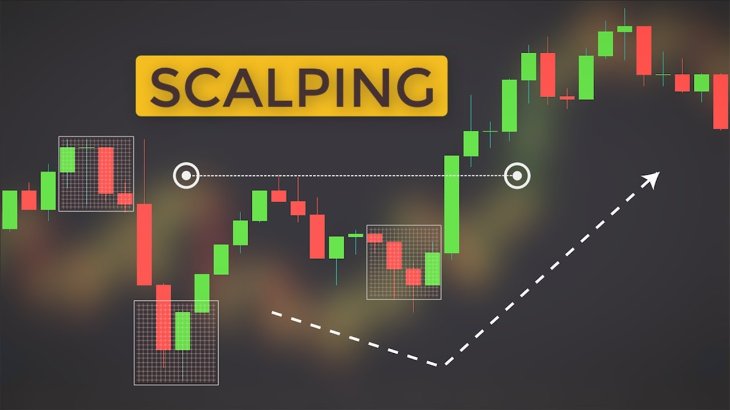
Forex scalping is a short-term trading strategy in which traders seek to profit from minor price fluctuations.
A scalper might make many trades in an hour, rather than wait for large trends. The goal is to gain several small profits over time.
For example, suppose EUR/USD moves just 8 pips. A swing trader might ignore the move, while a scalper identifies an opportunity. With enough volume and refined execution, even minor movements can become significant.
Scalpers generally trade during times of high-volume sessions, which means they try to take advantage of low or tight spreads and therefore will continue to make money.
Many beginner traders think of forex scalping as gambling because trades occur quickly. In practice, experienced scalpers usually adhere to precise rules and rely significantly on consistency.
How Forex Scalping Strategies Work
Scalping strategies are based on speed and precision.
First, traders identify short-term setups using price action, indicators, or momentum. Next, after a clear signal, they enter the trade aiming for a specific profit target. They then exit promptly before the market reverses, maintaining discipline at each stage.
Here’s a simple breakdown:
| Step | What Happens |
| Market Analysis | Trader identifies short-term momentum |
| Entry | Trade opens during strong movement |
| Profit Target | Usually between 5–15 pips |
| Exit | Position closes quickly |
| Repeat | Process repeats multiple times |
Unlike long-term traders, scalpers are very concerned about execution quality. A slow platform or widespread distribution might have a big impact on results.
That is why many scalpers choose a fast-execution type platform along with specialized accounts such as cTrader Accounts when trading in highly volatile timeframes.
Also, understanding execution costs like commission and spreads is important for scalpers. Without comprehending what is spread trading, a trader may not fully understand the impact of spread on their short-term profitability.
Best Timeframes for Forex Scalping
Timeframes play an important role in scalping success.
Most scalpers use lower charts since they require quick access to market data. The most widely used timeframes include:
| Timeframe | Typical Use |
| 1-Minute Chart | Ultra-fast entries and exits |
| 5-Minute Chart | Most popular for scalping |
| 15-Minute Chart | Trend confirmation |
| Tick Charts | Advanced scalping setups |
The 5-minute chart is considered the sweet spot, since it provides enough price action for the scalper to make decisions and at the same time filters some market noise.
Some scalpers will combine multiple charts to help make better trading decisions. For example, a scalper might look at the 15-minute chart for the overall direction of the market and then look at the 1-minute chart for an entry point.
Regardless of what timeframes are used for scalping, the most critical aspect of success will always be consistency. If a scalper uses random timeframes, they are likely to be confused and unable to make the best trading decisions.
Best Currency Pairs for Scalping
Scalping is not suitable for all currency pairs.
Scalpers usually target currency pairs that offer high liquidity and tight spreads. These pairs move actively, allowing traders to enter and exit easily.
Here are some popular choices:
| Currency Pair | Why Traders Like It |
| EUR/USD | Tight spreads and strong liquidity |
| GBP/USD | High volatility and movement |
| USD/JPY | Smooth intraday behavior |
| EUR/JPY | Good momentum during London session |
| AUD/USD | Stable spread conditions |
EUR/USD remains a popular choice due to lower transaction costs.
Although exotic currency pairs may appear to be attractive for scalping, they often come with wider spreads, high volatility, and unpredictability compared to major currency pairs, making them challenging for scalpers.
Best Indicators for Forex Scalping
Indicators allow scalpers to identify momentum, trend direction, and entry timing. Some traders look to price action while others prefer to combine indicators for confirmation.
Below are some indicators that are commonly used by scalpers:
| Indicator | Purpose |
| Moving Averages | Trend direction |
| RSI | Momentum and overbought conditions |
| MACD | Momentum confirmation |
| Bollinger Bands | Volatility measurement |
| VWAP | Institutional price levels |
Scalpers consider moving averages to be one of The best indicators for trading in forex, due to their reliability and ease of use when trading under fast market conditions.
In 2026, a simple 20 EMA and 50 EMA combination remains popular for short-term trend confirmation.
Example Scalping Workflow
Trend Direction → Indicator Confirmation → Entry Trigger → Risk Control → Exit
Scalpers typically avoid employing too many indicators at once. Too much information might slow down decision-making in fast-moving markets.
Popular Forex Scalping Strategies
There are many approaches for scalping. Some are based on indicators, while others rely only on price movements.

Here are a few common methods that traders still use in 2026.
-
Moving Average Scalping
This approach uses short-term moving averages to identify momentum.
A trader may enter when the faster EMA crosses over the slower EMA during a period of high volume.
It performs well under trending market conditions.
-
Breakout Scalping
This strategy focuses on important support and resistance levels. When a price breaks out of consolidation with momentum, a scalper will enter the market in the initial move before volatility slows down.
-
News Scalping
Major economic announcements create a fast-moving market. Some experienced traders enter the market in response to important events such as interest rate changes or inflation data.
However, spreads may expand significantly during news releases.
-
Price Action Scalping
Rather than relying on indications, traders prefer to analyse candlestick behaviour and market structure. This method tends to require more screen time and experience.
Many traders who experiment with the scalping strategy in forex eventually combine several strategies rather than depending on a single indicator.
Risk Management in Forex Scalping
Risk management is what distinguishes professional scalpers from emotional traders. Because scalpers open multiple positions, minor mistakes can promptly compound. Here are some basic risk management principles:
| Rule | Why It Matters |
| Use stop-loss orders | Prevents large unexpected losses |
| Risk small percentages | Protects account balance |
| Avoid revenge trading | Reduces emotional mistakes |
| Trade liquid sessions | Improves execution quality |
One of the most common mistakes is to increase the lot size after experiencing a loss.
While scalping normally requires frequent trading activity, over-leveraging can increase the emotional pressure and risk to your account.
Traders should also consider the reputation of their broker when choosing a broker. Some traders will take the time to compare the execution speed and spread quality between brokers such as Otet broker or other execution-focused brokers before choosing one.
Advantages of Forex Scalping
Scalping provides multiple benefits that draw in active traders.
- Fast Feedback
Scalpers can quickly identify whether a trade idea works or not.
- Reduced Overnight Risk
Scalpers close out their trades within minutes rather than being exposed to overnight market surprises.
- Frequent Opportunities
A trader could potentially find numerous trading setups per active session.
- Less Exposure to Long-Term News
A scalper is usually more focused on immediate market behavior than long-term macroeconomic trends.
Disadvantages of Forex Scalping
Although scalping has advantages, there are challenges that come with it too.
- Mentally Exhausting
Scalpers might be mentally drained or tired when making many decisions over an extended period of time.
- High Transaction Costs
The cost of commissions and spreads will be a significant factor due to your frequency of trades.
Since scalpers open and close many positions within short periods, understanding trading costs is essential. Learning concepts such as what is spread trading helps traders understand how spreads affect profitability and why lower transaction costs are important for short-term strategies.
- Requires Discipline
Impulsive behaviour can rapidly damage consistency.
- Demands Fast Execution
Internet speed, trading platform lag, and broker execution will all affect your result.
Many people might think that scalping is easier than swing trading; however, scalping often requires more self-discipline and emotional control.
Common Scalping Mistakes Traders Make
Even experienced traders might develop undesirable habits.
Understanding these mistakes early will help you avoid unnecessary costs.
Entering Trades Too Early
Many beginners develop impatience. They notice a potential configuration and enter before the confirmation appears. In fast-paced marketplaces, a few seconds can make a significant difference.
Waiting for confirmation usually increases trade quality.
Ignoring Trading Costs
Some traders just consider win rates, ignoring spreads and commissions.
This is harmful in scalping since transaction charges increase quickly over multiple entries.
Before employing forex scalping strategies, traders should thoroughly comprehend execution fees and spread conditions.
Trading Without a Strategy
In general, random entries will produce unpredictable results in all cases.
A trader may win a few trades by chance, but long-term success needs consistent structure and repeatable rules. Keeping a trading journal can help you spot flaws over time.
Over-Leveraging Positions
The use of leverage increases both potential gains and potential losses for all trades. New scalpers frequently take on excessive risk to achieve rapid growth. Unfortunately, this typically results in emotional decision-making.
Professional traders often prioritise survival over aggressive gains.
Pro Tips for Better Forex Scalping Results
Small adjustments can make a significant difference in scalping performance. Here are some practical tips:
- Trade during London and New York overlap sessions
- Focus on one or two currency pairs only.
- Keep charts clean and simple.
- Avoid emotional trading after losses.
- Use demo accounts before going live.
- Track performance weekly
Another useful habit is reviewing your trades at the end of each week. Many successful scalpers keep screenshots of their entries and exits to identify patterns in their behavior. Over time, this can reveal emotional mistakes, poor timing, or recurring weaknesses that are difficult to notice during live trading. Even small adjustments can improve consistency significantly.
Scalping is often seen as a fast trading style, but long-term improvement usually comes from slow and steady refinement of your decision-making process rather than chasing constant action in the market.
Many professional traders spend months enhancing their execution skills before becoming consistently profitable. Patience is still important, especially in short-term trading.
Conclusion
Scalping is one of the most active and high-paced styles of trading in the market. For some, the excitement and fast pace of the trading entries and exits can be engaging, while others find the constant decisions stressful.
The overall trick is understanding if the method actually suits your personality, availability, and risk tolerance.
Successful scalpers are typically not the fastest traders on the market. They are usually the most disciplined. They understand timing, manage risk properly, and adhere to organised rules rather than emotional impulses.
It is also important to avoid overtrading during quiet market hours. Many beginners continue forcing trades even when volatility drops, which often leads to weak setups and unnecessary losses. Experienced scalpers understand that sometimes the best decision is simply waiting for clearer market conditions before entering another position.
If done properly, forex scalping can be a great skill for those who prefer active involvement in the market and quick opportunities.
Like any trading strategy, consistency is considerably more important than chasing quick returns.
FAQ
Forex scalping is a short-term trading strategy where traders attempt to profit from small price movements by opening and closing trades quickly.
Scalping works by entering trades during small market movements and exiting quickly with modest profits. Traders often repeat this process many times during active trading sessions.
It usually involves tight stop losses, fast execution, and careful spread management.
There is no single “best” strategy for everyone.
Some traders prefer moving average crossovers, while others rely on price action or breakout methods. The ideal strategy depends on your experience, discipline, and ability to manage risk consistently.
Many traders start with simple setups before moving into more advanced scalping strategies in Forex systems.
Share
Hot topics

STP, NDD, ECN and DMA: Broker Execution Models Decoded
When picking a forex broker, we don’t just look at the brokerage that has the lowest spreads, bonuses, and other kind of what is apparent for us. There is one...
Read more



Submit comment
Your email address will not be published. Required fields are marked *