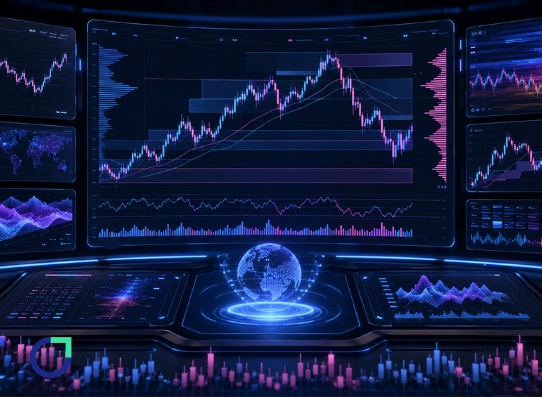
Best Technical Analysis Tools for Forex Traders
The key to successful Forex trading is not just knowing if prices will rise or fall but having the appropriate tools to evaluate the market, find patterns, control risk and make informed decisions while under pressure.
There are numerous market analysis tools available today that can help make technical analysis easier and more efficient. Some of these tools assist with chart analysis or momentum; others identify volatility and potential reversal points.
This guide outlines the best market analysis tools, discusses how professional traders use them, and helps you select the appropriate tools for your personal trading style..
What Are Market Analysis Tools?
Market analysis tools are platforms, indicators, scanners, and software features that help traders study price movement and overall market behavior.
These tools help traders:
- identify trends
- analyze momentum
- monitor volatility
- find entry and exit points
- improve risk management
Instead of making emotional decisions, traders use Trading Analysis Tools to create more structured trading plans.
Technical vs Fundamental Analysis Tools
Some tools focus on technical analysis, while others focus on fundamentals.
Technical tools analyze:
- price charts
- indicators
- momentum
- candlestick patterns
Fundamental tools focus on:
- economic news
- inflation data
- interest rates
- central bank decisions
Most forex traders combine both approaches together.
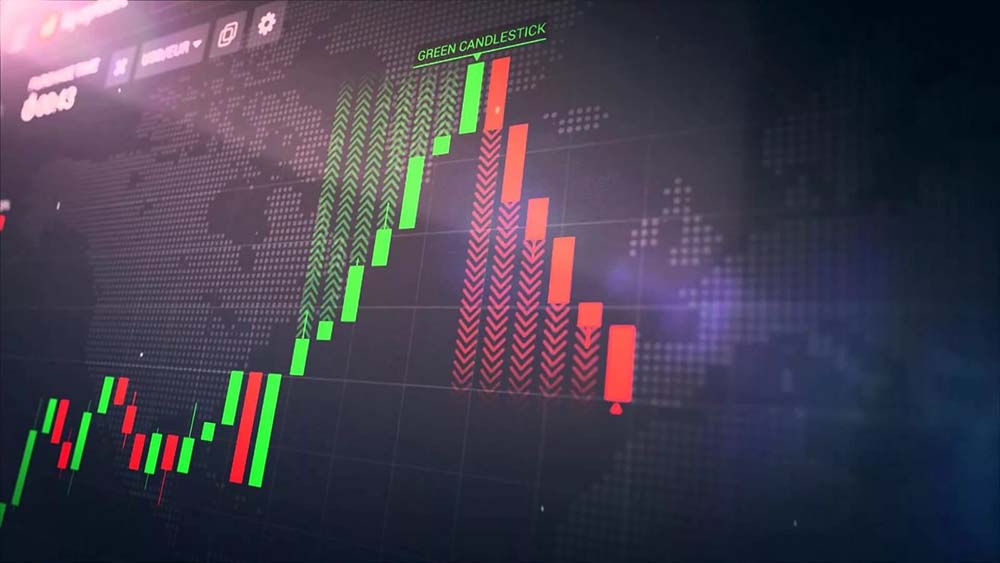
Why Traders Depend on Analysis Tools
Market Movements In Forex Can Be Rapidly Altered By Major News Events
Without A Suitable Analysis Tool, A Trader May Find It Difficult To:
- identify trends clearly
- react to volatility
- monitor multiple markets
- manage trades efficiently
This Is The Reason Why The Present-Day Trader Relies On Electronic Market Analysis Software As Well As Charting Platforms As A Means Of Identifying Price Trends Through Past Performance Data.
Charting Platforms Are Essential
Charting software is one of the most important tools in trading.
These platforms allow traders to:
- monitor live price movement
- analyze multiple timeframes
- draw support and resistance
- apply indicators easily
Many traders use platforms connected to cTrader Accounts because they offer advanced charting features and fast execution.
Indicators Simplify Market Analysis
Indicators help traders interpret market behavior more efficiently.
Popular indicators include:
- RSI
- MACD
- Bollinger Bands
- moving average indicator
These tools help traders analyze:
- trend direction
- momentum strength
- volatility
- possible reversals
Some traders also study guides about Top 10 forex indicators when learning how technical tools work together.
No Tool Guarantees Success
One important thing traders must understand is that no analysis tool predicts the market perfectly.
Even the Best Tools for Market Price Analysis can produce false signals during difficult market conditions.
Professional traders combine:
- technical analysis
- confirmation
- market structure
- disciplined risk management
instead of relying blindly on one indicator or system.
Types of Market Price Analysis Tools
Market analysis tools come in a variety of forms and help traders interpret the market in various ways.
When analyzing the market, some of the tools will help determine trend direction, while other tools will show momentum, volatility or potential reversal points.
Professional traders utilize a combination of a few tools rather than just one method of examining the market.
Charting Tools
Charting tools are the foundation of technical analysis.
These platforms allow traders to:
- view live price movement
- draw support and resistance
- analyze multiple timeframes
- apply indicators
Without charting software, technical analysis becomes much more difficult.
Technical Indicators
Indicators are mathematical tools added directly to charts.
Popular indicators include:
- RSI
- MACD
- Bollinger Bands
- moving average indicator
These tools help traders analyze:
- trend strength
- momentum
- volatility
- overbought or oversold conditions
Indicators simplify price analysis and help traders make more structured decisions.
Price Action Tools
Some traders prefer focusing mainly on raw price movement instead of heavy indicator usage.
Price action tools include:
- support and resistance
- trendlines
- candlestick patterns
- market structure analysis
This approach is popular among traders who want cleaner charts and simpler analysis.
Volume and Volatility Tools
Volume and volatility tools help traders understand market activity and momentum.
These tools are useful for:
- identifying strong breakouts
- spotting low-volatility conditions
- measuring market activity
Volatility indicators are especially important during major news events or fast-moving market sessions.
Market Scanners
Market scanners automatically search markets for trading opportunities.
These tools help traders quickly identify:
- breakout setups
- strong trends
- unusual volatility
- technical patterns
Scanners are popular among active traders because they save time and improve efficiency.
AI-Based Analysis Tools
Modern trading technology now includes AI-powered analysis tools.
These systems can:
- scan large amounts of market data
- identify repeating patterns
- generate trading alerts
- assist with market forecasting
While AI tools continue improving, professional traders still combine them with personal analysis and risk management.
Fundamental Analysis Tools
Not all Market Analysis Tools are technical.
Fundamental tools help traders monitor:
- economic news
- inflation reports
- central bank decisions
- interest rates
Forex traders often combine technical analysis with fundamental analysis for stronger decision-making.
Broker-Integrated Tools
Many brokers now provide built-in analysis features inside trading platforms.
Some traders use analysis environments connected to otet markets because they include charting tools, indicators, scanners, and trade management systems in one place.
Different Traders Need Different Tools
Not every trader needs the same tools.
For example:
- scalpers often prefer fast execution tools
- swing traders focus more on trend analysis
- long-term traders pay more attention to macroeconomic data
This is why choosing the right Trading Analysis Tools depends heavily on trading style, experience, and market goals.
Best Charting Platforms for Market Analysis
Charting platforms are one of the most important tools in trading because they allow traders to analyze price movement, monitor trends, and manage trades more efficiently.
A strong charting platform helps traders:
- study market structure
- apply indicators
- analyze multiple timeframes
- identify trading opportunities faster
TradingView
TradingView is one of the most popular charting platforms in the world.
Many traders prefer it because of:
- clean chart design
- advanced drawing tools
- large indicator library
- multi-device access
It is especially popular among forex, crypto, and stock traders.
MetaTrader Platforms
MetaTrader remains one of the most widely used forex trading platforms globally.
Many traders use:
- MT4 for simplicity
- MT5 for advanced features
MetaTrader platforms support:
- custom indicators
- automated trading
- advanced chart analysis
cTrader
cTrader is another advanced trading platform widely used in forex markets.
Many traders prefer cTrader Accounts because they offer:
- modern charting tools
- fast execution
- advanced order management
- cleaner interface design
NinjaTrader
NinjaTrader is commonly used for futures and advanced technical analysis.
It offers:
- advanced chart customization
- automated trading systems
- detailed market analysis tools
Features Professional Traders Look For
Professional traders usually compare platforms based on:
- execution speed
- chart quality
- indicator support
- customization
- multi-timeframe analysis
A good platform should simplify analysis instead of creating confusion.
Best Technical Indicators for Price Analysis Tools
Technical indicators are some of the most widely used Trading Analysis Tools because they help traders interpret price movement more efficiently.
Indicators simplify chart analysis by helping traders identify:
- trends
- momentum
- volatility
- possible reversals
Moving Averages
Moving averages are among the most popular technical indicators in forex trading.
The moving average indicator helps smooth price movement and identify trend direction more clearly.
Traders often use moving averages to:
- confirm trends
- identify support and resistance
- spot momentum shifts
Relative Strength Index (RSI)
RSI measures momentum and helps traders identify overbought or oversold conditions.
Many traders combine RSI with trend analysis instead of using it alone.
MACD
MACD helps traders analyze:
- momentum strength
- trend direction
- possible reversals
It remains one of the most popular trend-following indicators.
Bollinger Bands
Bollinger Bands help traders measure market volatility.
Many traders use them to:
- identify breakouts
- spot volatility shifts
- detect overextended price movement
ATR (Average True Range)
ATR measures market volatility and is commonly used for:
- stop-loss placement
- volatility analysis
- position sizing
Combining Indicators
Professional traders usually avoid using too many indicators at once.
For example:
- moving average for trend direction
- RSI for momentum
- ATR for volatility
This often creates cleaner analysis and reduces confusion.
Indicators Are Tools, Not Guarantees
Even the Best Tools for Market Price Analysis can produce false signals during difficult market conditions.
This is why professional traders combine indicators with:
- price action
- market structure
- confirmation
- risk management
instead of relying blindly on technical signals.
Advanced Market Analysis Tools
Modern trading technology has evolved far beyond simple indicators and basic charting software.
AI-Powered Trading Tools
AI tools can:
- analyze large amounts of market data
- identify repeating patterns
- generate alerts
- assist with forecasting
Many traders use AI tools as additional confirmation instead of depending completely on automation.
Automated Pattern Recognition Tools
Pattern recognition software automatically scans charts for:
- triangles
- head and shoulders patterns
- flags
- double tops and bottoms
These tools help traders monitor many markets efficiently.
Market Scanners
Market scanners automatically search for:
- breakout opportunities
- strong momentum
- volatility expansion
- trend continuation setups
Scanners are especially useful for active traders because they save time significantly.
Technology Still Requires Discipline
Even advanced technology cannot replace:
- emotional control
- patience
- proper risk management
The best traders combine technology with discipline and experience instead of depending completely on automation.
Free vs Paid Trading Analysis Tools
Traders today can choose between free and paid analysis tools depending on their needs and experience level.
Free Tools
Free tools are useful for:
- learning technical analysis
- practicing strategies
- understanding indicators
- monitoring charts
Platforms like TradingView Free and MetaTrader offer enough features for many beginner traders.
Paid Tools
Paid tools often provide:
- advanced indicators
- AI features
- faster data feeds
- scanners and alerts
- greater customization
Professional traders often use paid tools because they improve efficiency.
| Feature | Free Tools | Paid Tools |
| Basic Charting | Yes | Yes |
| Advanced Indicators | Limited | Full Access |
| Market Scanners | Basic | Advanced |
| Real-Time Data | Sometimes Limited | Faster & More Accurate |
| AI Features | Rare | Common |
Are Paid Tools Always Better?
Not necessarily. Many successful traders still use simple tools because discipline and strategy matter more than expensive software. A trader using simple tools with strong risk management can outperform someone using advanced software emotionally.
How to Choose the Best Market Analysis Tool
Choosing the right analysis tool depends heavily on:
- trading style
- experience level
- strategy complexity
- personal preference
Start With Your Trading Style
Different traders need different tools.
For example:
- scalpers prefer fast execution and short-term indicators
- swing traders focus more on trends and higher timeframes
- long-term traders monitor macroeconomic conditions
Prioritize Simplicity
Professional traders often prefer tools that are:
- simple
- organized
- fast
- customizable
Too many indicators often create confusion instead of clarity.
Focus on Consistency
The best Market Analysis Tools are usually the ones traders can use consistently and confidently over time.
A simple tool used properly is often more effective than advanced software used emotionally.
Pros and Cons of Using Trading Analysis Tools
Trading analysis tools can improve market understanding significantly, but they also have limitations.
Pros
Good tools help traders:
- analyze markets faster
- identify setups efficiently
- improve timing decisions
- monitor multiple markets
- reduce emotional trading
Cons
No tool is capable of giving reliable predictions about what the next market will do.
Even with detailed analysis from various trading tools may result in inaccurate signals due to what is happening now in an ever-changing market.
A common result of using too many tools at once is an excessive amount of indicators that lead to confusion instead of clarity.
Tools Cannot Replace Discipline
No software can replace:
- patience
- emotional control
- risk management
- disciplined execution
Professional traders use tools as support systems, not prediction machines.
Conclusion
Technical analysis tools have become an important part of modern forex trading. They help traders study price movement, identify trends, manage risk, and make more structured trading decisions.
Today’s traders have access to many Market Analysis Tools, including:
- charting platforms
- indicators
- scanners
- AI-powered systems
- automated analysis software
However, even the Best Tools for Market Price Analysis are not perfect.
Professional traders combine tools with:
- confirmation
- market structure
- disciplined risk management
- emotional control
instead of relying blindly on indicators or software alone.
The goal is not collecting more tools. The goal is learning how to use the right tools consistently and effectively.
FAQ
Popular tools include:
- TradingView
- MetaTrader
- cTrader
- RSI
- MACD
- Bollinger Bands
- market scanners
The best choice depends on trading style and experience level.
No tool is perfectly accurate all the time.
Professional traders usually combine:
- indicators
- price action
- trend analysis
- confirmation signals
instead of relying on one tool alone.
Popular charting platforms include:
- TradingView
- MetaTrader 4/5
- cTrader
Many traders prefer platforms connected to cTrader Accounts because of their advanced charting features and cleaner interface.
Some traders also explore broker environments like otet markets when comparing charting tools and execution conditions.
Share
Hot topics

STP, NDD, ECN and DMA: Broker Execution Models Decoded
When picking a forex broker, we don’t just look at the brokerage that has the lowest spreads, bonuses, and other kind of what is apparent for us. There is one...
Read more



Submit comment
Your email address will not be published. Required fields are marked *