
Global Markets Weaken as Geopolitics, Oil Swings and U.S. Jobs Data Take Focus
Oil Volatility and Geopolitical Tensions
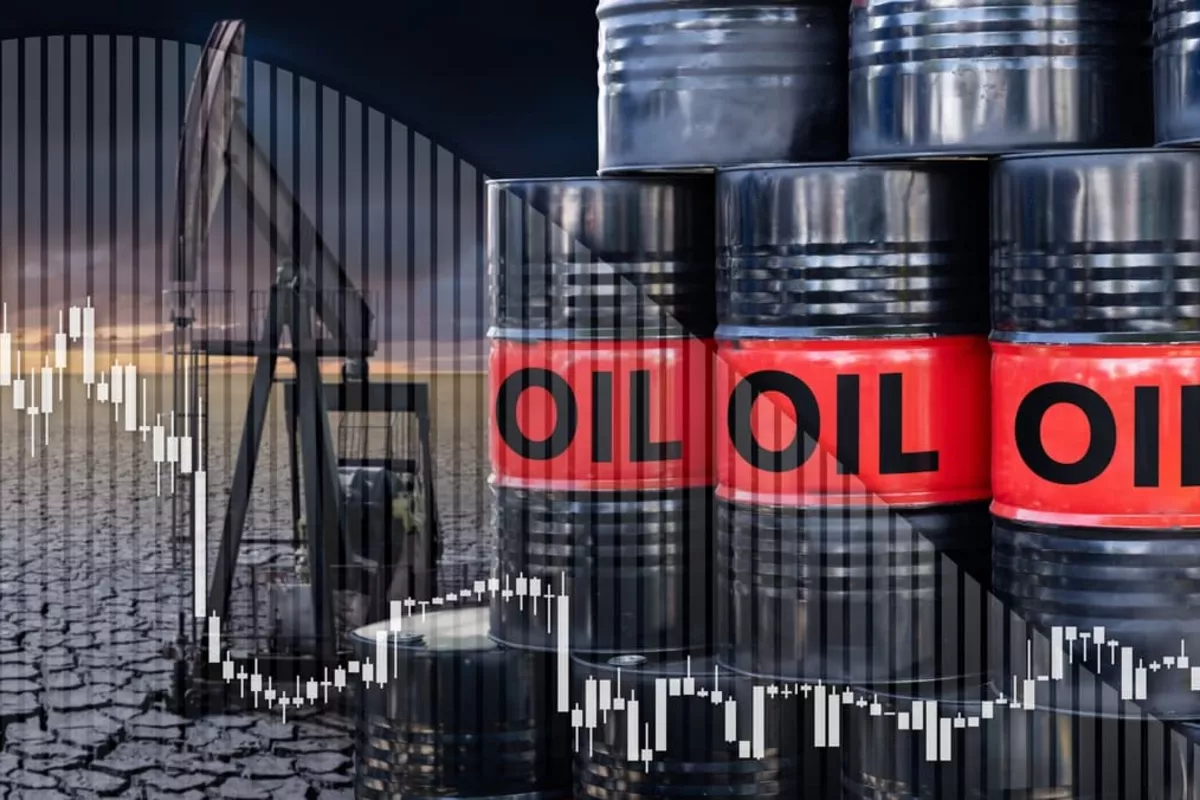
Oil prices fell on Friday after an early spike triggered by renewed U.S.-Iran clashes near the Strait of Hormuz. Brent crude briefly climbed as much as 3% in Asian trading, before retreating to trade below $100 per barrel again. Despite the latest volatility, crude remained on track for a roughly 7% weekly decline amid hopes that diplomatic efforts will continue.
The flare-up occurred just days after Washington and Tehran signaled that a broader peace framework could be close. President Donald Trump said the month-old ceasefire remained intact despite the exchange of fire. Deutsche Bank strategists led by Henry Allen noted that “markets still aren't pricing in the worst-case scenario.”
Geopolitical risk extended to the diplomatic front as Trump prepared for a summit with Chinese President Xi Jinping next week in Beijing. The visit would be the first by a U.S. president to China since 2017, with discussions expected to focus on the Iran conflict, trade tensions, and economic coordination. CNBC reported that the U.S. business delegation may be smaller than those sent by other countries in recent months, while markets also monitored prospects for a potential future visit by Xi to the United States.
Equities Retreat and Jobs Data in Focus
Asian equities slipped after Wall Street pulled back from record highs, with Middle East tensions dampening risk appetite. Japan’s Nikkei 225 closed 0.2% lower, while South Korea’s KOSPI recovered from early losses to finish modestly higher. In Europe, the STOXX 600 fell as much as 0.9% in early trade after the U.S. military reported it had intercepted attacks targeting three warships near the Strait of Hormuz. U.S. equity futures were moderately positive, with S&P 500 futures up about 0.3% ahead of the jobs release.
The U.S. April Nonfarm Payrolls report is expected to provide further guidance on the economic outlook and Federal Reserve policy. The prior month’s payrolls figure reached a 15‑month high of 178,000. Economists now forecast a 50,000 increase in April payrolls, which would mark the first back‑to‑back positive reading since May last year, with the unemployment rate projected to hold at 4.3%. Allen said the report is “an important one, as Fed pricing has already shifted in a hawkish direction given the energy shock.”
In corporate news, software earnings triggered sharp individual stock moves in premarket trading. Akamai surged nearly 30% after announcing a $1.8 billion long‑term cloud deal tied to a frontier AI model provider. Bill Holdings gained 12% following quarterly revenue and profit that exceeded expectations, supported by stronger transaction and subscriber fees. Conversely, HubSpot, Trade Desk, and Cloudflare all recorded double‑digit premarket declines after releasing their results.
FAQ
Why did oil prices fall after initially rising?
Oil prices initially spiked on renewed U.S.-Iran clashes near the Strait of Hormuz but later fell below $100 per barrel as the move reversed, leaving crude still on track for a weekly decline of about 7%.
What is expected from the upcoming U.S. jobs report?
Economists expect April Nonfarm Payrolls to rise by 50,000, with the unemployment rate holding at 4.3%, following a prior month payrolls reading of 178,000.
Which software companies saw the largest stock moves?
Akamai rose nearly 30% and Bill Holdings gained 12% in premarket trading on strong news and results, while HubSpot, Trade Desk, and Cloudflare posted double‑digit premarket declines after their earnings releases.
Share
Hot topics

STP, NDD, ECN and DMA: Broker Execution Models Decoded
When picking a forex broker, we don’t just look at the brokerage that has the lowest spreads, bonuses, and other kind of what is apparent for us. There is one...
Read more



Submit comment
Your email address will not be published. Required fields are marked *