Asian equities reverse gains as Iranian tanker seizures deepen geopolitical uncertainty
Asian markets retreat after early records
Asian equities gave up initial advances on Thursday as investor sentiment weakened following media reports that the U.S. has intercepted at least three Iranian-flagged oil tankers in Asian waters, redirecting them away from positions near India, Malaysia and Sri Lanka. The moves came after Iran’s navy said it had seized two container ships in the Strait of Hormuz.
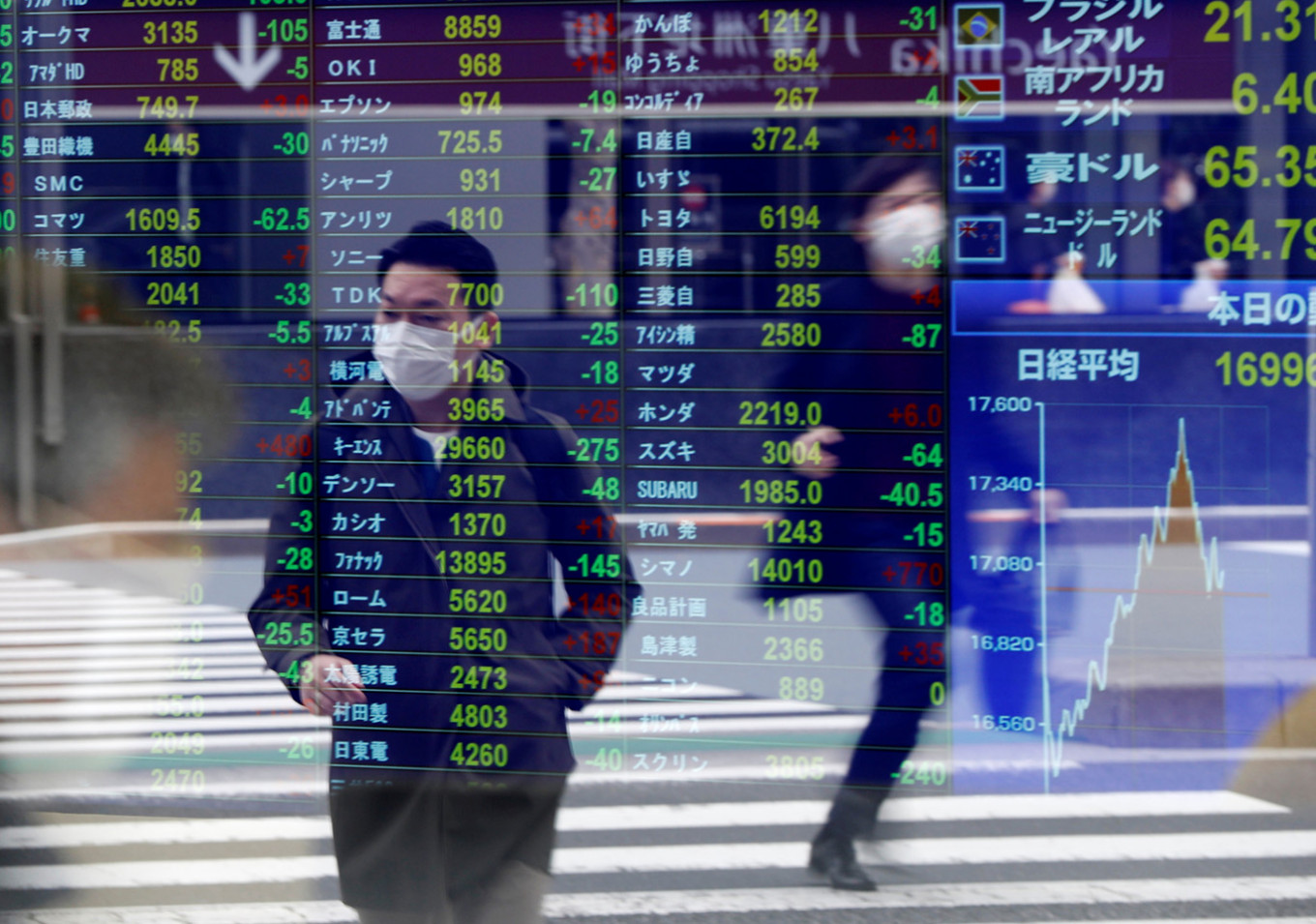
Japan’s Nikkei 225 briefly touched an all-time intraday high of 60,013.98 before slipping 1.20% on profit taking. Japan’s manufacturing activity expanded at its fastest pace in four years in April, underpinning earlier optimism. South Korea’s Kospi also reached a record intraday high of 6,538.72 but ended the session down 0.74%. The South Korean economy grew 1.7% in the January–March quarter from the previous three months, exceeding Reuters’ estimates of 1.0% and marking the fastest growth since the third quarter of 2020.
Elsewhere in the region, mainland China’s CSI300 index fell 0.79%, Hong Kong’s Hang Seng index declined 1.12%, and India’s Nifty50 lost 0.62%.
Heightened geopolitical risk and oil price reaction
The shift in risk sentiment followed U.S. President Donald Trump’s decision on Tuesday to extend a two-week U.S. ceasefire with Iran. Trump said the extension was warranted due to what he described as Tehran’s “seriously fractured” government. The ceasefire will remain in place until Iran submits a proposal or talks conclude, while the U.S. military continues its blockade of Iranian ports. However, the timeline for negotiations remains unclear.
Iranian state media reported on Wednesday that Tehran’s negotiators would not attend talks with the U.S., calling them a “waste of time.” A reported lack of commitment from Iran prompted Vice President JD Vance to pause his trip to join peace discussions.
Oil prices extended gains amid the heightened tensions. West Texas Intermediate futures rose 1.60% to $92.96 per barrel, while Brent crude added 1.28% to $101.91 per barrel.
Wall Street backdrop
Asian trading followed a strong lead from Wall Street. During Wednesday’s regular session, the S&P 500 added 1.05% to close at 7,137.90. The tech-heavy Nasdaq rose 1.64% to 24,657.57, and the Dow Jones Industrial Average advanced 340.65 points, or 0.69%, to finish at 49,490.03.
FAQ
What triggered the reversal in Asian stock markets?
Asian markets reversed early gains after reports that the U.S. military intercepted at least three Iranian-flagged oil tankers in Asian waters, increasing uncertainty around the duration and trajectory of the Middle East conflict.
How did Japan and South Korea’s markets perform?
Japan’s Nikkei 225 briefly hit a record intraday high of 60,013.98 before closing down 1.20%, while South Korea’s Kospi reached an all-time intraday high of 6,538.72 and then ended 0.74% lower.
What was the reaction in oil prices?
Oil prices extended gains, with West Texas Intermediate futures up 1.60% to $92.96 per barrel and Brent crude rising 1.28% to $101.91 per barrel.
What action did President Donald Trump take regarding Iran?
President Donald Trump extended a two-week U.S. ceasefire with Iran, stating it would remain in place until Iran submits a proposal or talks conclude, while maintaining a U.S. military blockade of Iranian ports.
Share
Hot topics

STP, NDD, ECN and DMA: Broker Execution Models Decoded
When picking a forex broker, we don’t just look at the brokerage that has the lowest spreads, bonuses, and other kind of what is apparent for us. There is one...
Read more


Submit comment
Your email address will not be published. Required fields are marked *