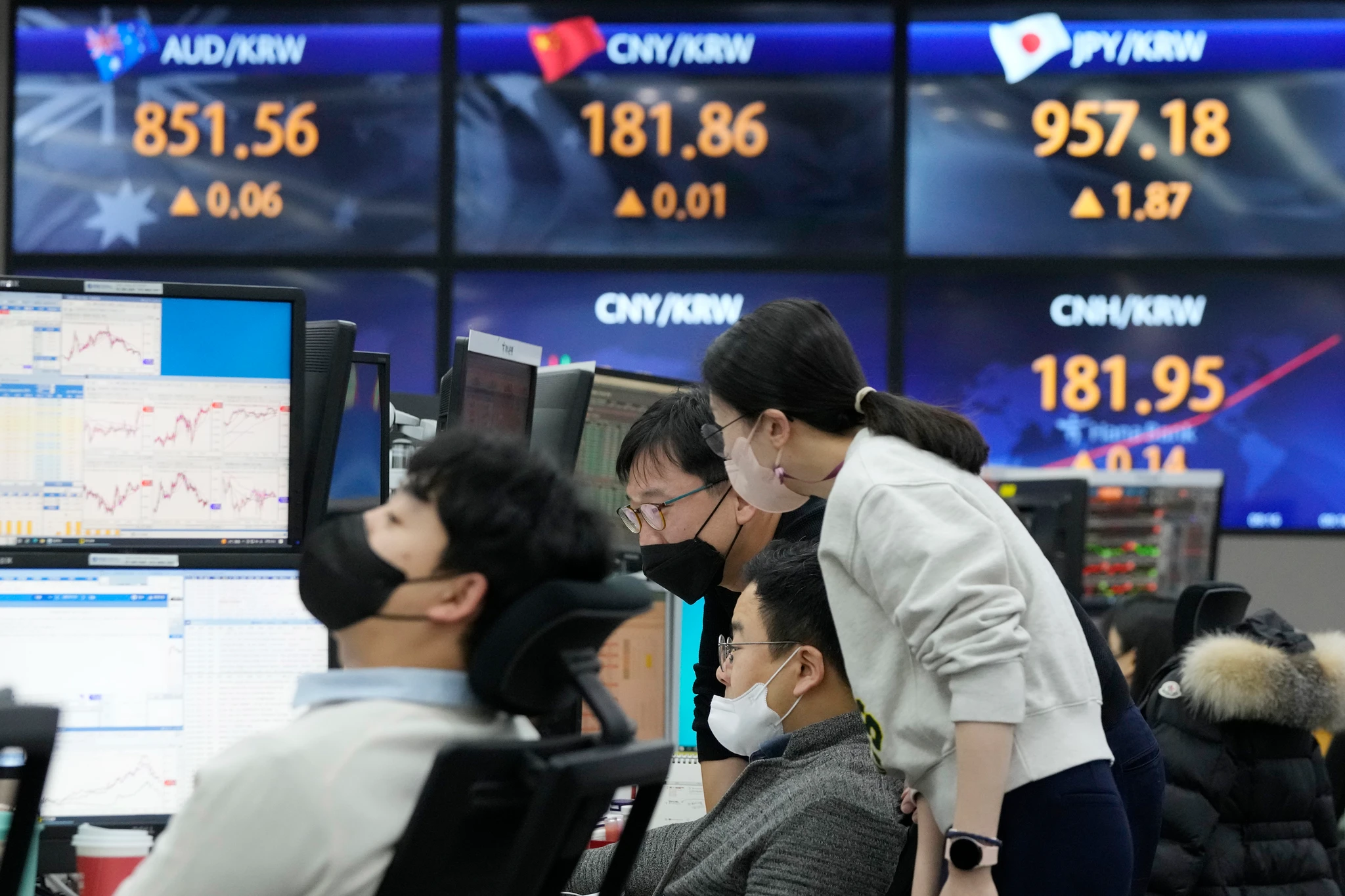
Asian Equities Mixed as Oil Price Surge and Iran Tensions Pressure Markets
Oil Price Pressures and Geopolitical Tensions
Market participants in Asia faced renewed uncertainty as rising oil prices coincided with stalled US-Iran peace talks and continued disruptions in the Strait of Hormuz. The resulting supply concerns have kept energy prices elevated, amplifying worries about inflation and the outlook for global economic growth.
Major Asian economies such as China, Japan, and South Korea are heavily reliant on oil imports from the Middle East, leaving them particularly exposed to the Iran-related disruptions and price volatility. Brent crude remained above the $100–$106 per barrel range, intensifying inflation concerns, especially in energy-sensitive markets.
India’s Sensex fell about 1% as persistently high Brent crude prices heightened worries about domestic inflation dynamics and potential pressure on growth. Broader regional sentiment was subdued as investors assessed the impact of higher energy costs on corporate margins and consumer demand.
Divergent Moves Across Major Asian Markets
Equity performance across Asia was uneven. Shares in Australia, South Korea, Hong Kong, and China traded lower, reflecting the drag from higher oil prices and broader macroeconomic uncertainty. The Shanghai Composite Index declined 0.12%, signaling cautious positioning among mainland Chinese investors.
Japanese equities showed a mixed pattern as investors digested inflation data that remained below the Bank of Japan’s 2% target ahead of the central bank’s policy meeting next week. Despite the subdued inflation backdrop, the Nikkei 225 advanced 1.01% to 59,736, marking one of the stronger performances in the region.
Hong Kong’s Hang Seng Index gained 0.29%, bucking the broader downtrend in several neighboring markets. In Taiwan, the TAIEX surged 3.23%, supported by a sharp rally in Taiwan Semiconductor Manufacturing Company (TSMC), whose shares hit a record high after Taiwan eased single-stock investment caps for funds. The regulatory change boosted demand for TSMC and helped lift the broader Taiwanese equity market despite regional headwinds.
FAQ
What was the main factor weighing on Asian equity markets?
Rising oil prices, driven by stalled US-Iran peace negotiations and continued disruptions in the Strait of Hormuz, were the primary factors pressuring Asian equity markets.
Which Asian indices showed notable moves?
The Nikkei 225 rose 1.01% to 59,736, the Shanghai Composite fell 0.12%, the Hang Seng gained 0.29%, Taiwan’s TAIEX surged 3.23%, and India’s Sensex declined about 1%.
Why is Asia particularly exposed to the Iran-related oil disruptions?
Major Asian economies, including China, Japan, and South Korea, are heavily reliant on oil imports from the Middle East, making them sensitive to supply disruptions and price volatility linked to the Iran conflict.
What supported the strong performance of Taiwan’s TAIEX?
The TAIEX was lifted by TSMC shares reaching a record high after Taiwan eased single-stock investment caps for funds, encouraging greater investment in the company.
Share
Hot topics

STP, NDD, ECN and DMA: Broker Execution Models Decoded
When picking a forex broker, we don’t just look at the brokerage that has the lowest spreads, bonuses, and other kind of what is apparent for us. There is one...
Read more



Submit comment
Your email address will not be published. Required fields are marked *