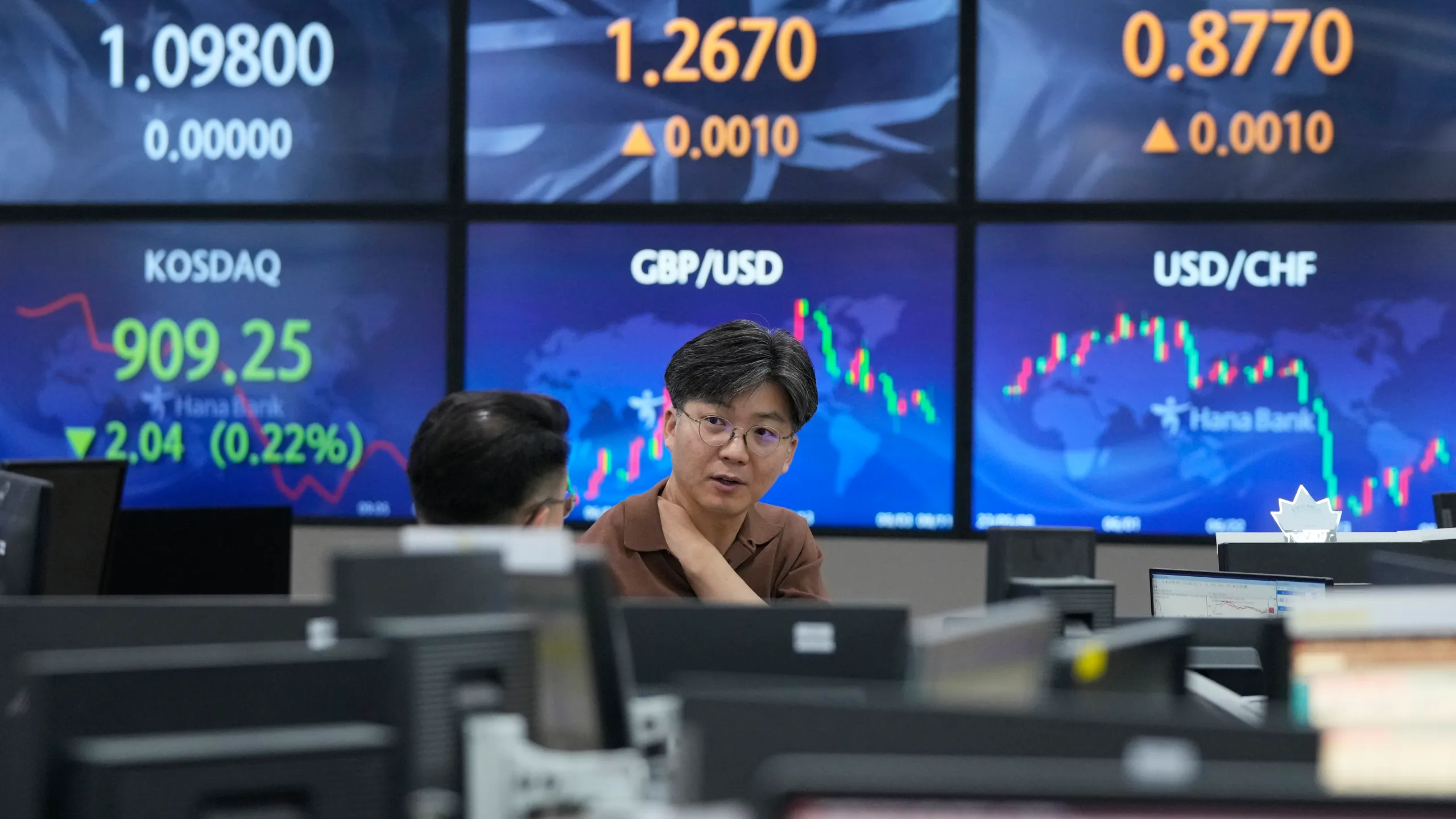
Asian Markets Mixed as Tech Rally Lifts Japan and South Korea
Tech-Led Gains in Japan and South Korea
Japan’s Nikkei 225 rose as much as 2.2% to a new record high of 66,428.81 points, while the broader TOPIX index was flat. South Korea’s KOSPI surged 5% to a fresh record of 8,457.9 points, supported by an AI-fuelled rally in chipmakers.
Shares of SK Hynix jumped nearly 14%, lifting its market capitalisation above $1 trillion for the first time and placing it alongside Samsung Electronics and Micron Technology in the trillion-dollar group. Samsung Electronics also hit a record high, rising as much as 8% after unionised workers approved a wage and bonus agreement that averted a potential strike.
Technology stocks across the region benefited from continued optimism around artificial intelligence spending, after Micron Technology rallied sharply on Wall Street following a bullish brokerage upgrade. Overnight, the S&P 500 and NASDAQ Composite both closed at all-time highs, and U.S. stock index futures traded marginally higher during Asian hours.
Middle East Tensions and Oil Price Volatility
Gains in regional equities were limited by concerns that renewed U.S. military strikes on Iranian targets could disrupt negotiations aimed at ending the Middle East conflict. Oil prices remained volatile, with Brent crude trading near $99 per barrel amid ongoing supply disruptions through the Strait of Hormuz.
China’s Shanghai Composite fell 1.1%, while the Shanghai Shenzhen CSI 300 index eased 0.7%. Hong Kong’s Hang Seng index slipped 0.8% despite advances in chipmaking stocks. India’s Nifty 50 edged 0.1% higher, and Singapore markets were closed for a public holiday.
Central Bank Signals in Australia and New Zealand
Australia’s S&P/ASX 200 index gained 0.2% after data showed underlying consumer prices rose 3.4% year-on-year in April, up from 3.3% in March. The figures reinforced expectations that the Reserve Bank of Australia may keep interest rates elevated for longer.
The Reserve Bank of New Zealand left its official cash rate unchanged at 2.25% but indicated that future rate increases were likely to be needed sooner and by more than previously anticipated. The central bank cited mounting inflation pressures from higher energy costs and warned that inflation could peak at 4.3% later this year as the Middle East conflict pushes up fuel and petrochemical prices, even as economic growth weakens. New Zealand’s NZX 50 index rose 0.9%.
Globally, investors awaited further developments in Middle East diplomacy and upcoming U.S. inflation data on Thursday.
FAQ
Which Asian indices hit record highs?
Japan’s Nikkei 225 and South Korea’s KOSPI both reached new record highs on Wednesday.
What drove the rally in South Korean and Japanese markets?
The rally was driven primarily by technology and chipmaking stocks, supported by optimism over artificial intelligence-related spending and strong gains in Micron Technology on Wall Street.
Why are investors cautious despite the tech rally?
Investors remained cautious due to uncertainty surrounding U.S.-Iran peace negotiations, renewed U.S. military strikes on Iranian targets, and volatile oil prices near $99 per barrel.
What did the Reserve Bank of New Zealand signal about future rates?
The Reserve Bank of New Zealand kept its cash rate at 2.25% but signalled that rate hikes would likely occur sooner and be larger than previously expected, in response to rising inflation pressures from higher energy costs.
Share
Hot topics

STP, NDD, ECN and DMA: Broker Execution Models Decoded
When picking a forex broker, we don’t just look at the brokerage that has the lowest spreads, bonuses, and other kind of what is apparent for us. There is one...
Read more




Submit comment
Your email address will not be published. Required fields are marked *