
Foreign Central Banks Trim U.S. Treasury Holdings Amid Currency Pressures
Overall foreign holdings of U.S. Treasuries fell to $9.25 trillion in March from $9.49 trillion in February, according to U.S. Treasury data released late Monday. The pullback coincided with an outbreak of U.S.-Iran conflict and a surge in oil prices that weakened the Japanese yen and other Asian currencies, creating what has been described as the largest energy shock in decades for Gulf oil–reliant economies such as Japan.
Central Bank Sales and Market Drivers
China cut its U.S. Treasury holdings to $652.3 billion in March, a decline of roughly 6% from February and the lowest level since September 2008. Japan, the largest foreign holder of U.S. government debt, reduced its position by about $47 billion to $1.191 trillion over the same period.
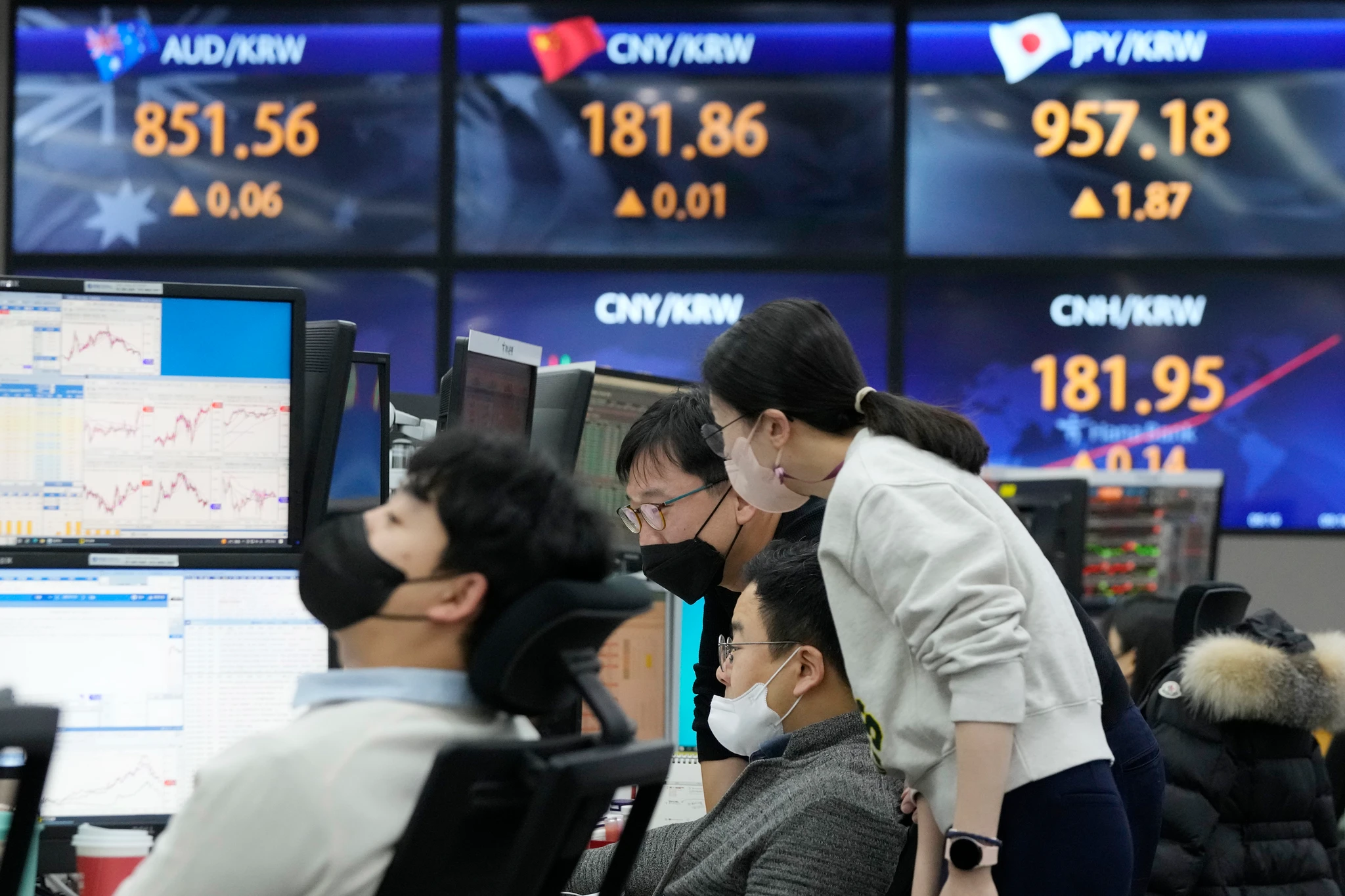
Frederic Neumann, chief Asia economist at HSBC, said that increased financial market volatility since the start of the war in the Gulf and resulting pressure on exchange rates, especially in Asia, made a decline in official Treasury holdings unsurprising. He noted that exchange market intervention to support local currencies likely prompted some central banks to sell a share of their U.S. Treasury portfolios.
Treasuries have faced significant pressure as yields climbed in response to heightened inflation concerns linked to the Middle East conflict. Investors demanded higher compensation for holding U.S. government debt, and foreign investors recorded a $142.1 billion valuation loss on long-term Treasury holdings in March alone.
Diverging Positions and Portfolio Adjustments
While many central banks reduced exposure, the U.K. increased its U.S. Treasury holdings by approximately $29.6 billion to $926.9 billion in March. Several smaller holders moved in the opposite direction, contributing to the overall decline in foreign holdings.
China has been gradually reducing its direct Treasury exposure from a peak of about $1.3 trillion in 2013, though analysts have argued that official figures understate its broader presence in U.S. debt. Custodial centers such as Belgium and Luxembourg are widely viewed as channels for Chinese sovereign and state-linked investments. Belgium held $454.0 billion of U.S. government debt in March, roughly unchanged from February, while Luxembourg’s holdings remained stable over the past year at around $439.4 billion, suggesting that such “shadow holdings” appeared relatively steady.
In Japan, questions have intensified over whether Tokyo will rely on sustained Treasury sales to finance yen-support operations. The Bank of Japan was reported to have intervened in currency markets in late March and early April after the yen weakened beyond the politically sensitive 160 level, amid rising oil import costs and concerns over a potential depreciation spiral. U.S. Treasury data for April, due next month, are expected to provide further indications of how far central banks are prepared to go in using reserves for currency stabilization, including shifts into more cash-like assets to ensure intervention capacity during market stress.
FAQ
Why did foreign central banks reduce U.S. Treasury holdings in March?
Answer: They sold part of their U.S. Treasury portfolios to defend local currencies amid heightened financial volatility, an energy price shock, and pressure on exchange rates, especially in Asia.
How much did China and Japan cut their U.S. Treasury holdings?
Answer: China reduced its holdings to $652.3 billion, down about 6% from February, while Japan cut its position by roughly $47 billion to $1.191 trillion.
Did any major holder increase its U.S. Treasury exposure?
Answer: Yes. The U.K. increased its U.S. Treasury holdings by about $29.6 billion to $926.9 billion in March.
What role did higher yields and valuation losses play?
Answer: Rising yields on Treasuries, linked to inflation concerns from the Middle East conflict, led to falling bond prices, resulting in a $142.1 billion valuation loss on foreign long-term Treasury holdings in March.
Share
Hot topics

STP, NDD, ECN and DMA: Broker Execution Models Decoded
When picking a forex broker, we don’t just look at the brokerage that has the lowest spreads, bonuses, and other kind of what is apparent for us. There is one...
Read more


Submit comment
Your email address will not be published. Required fields are marked *