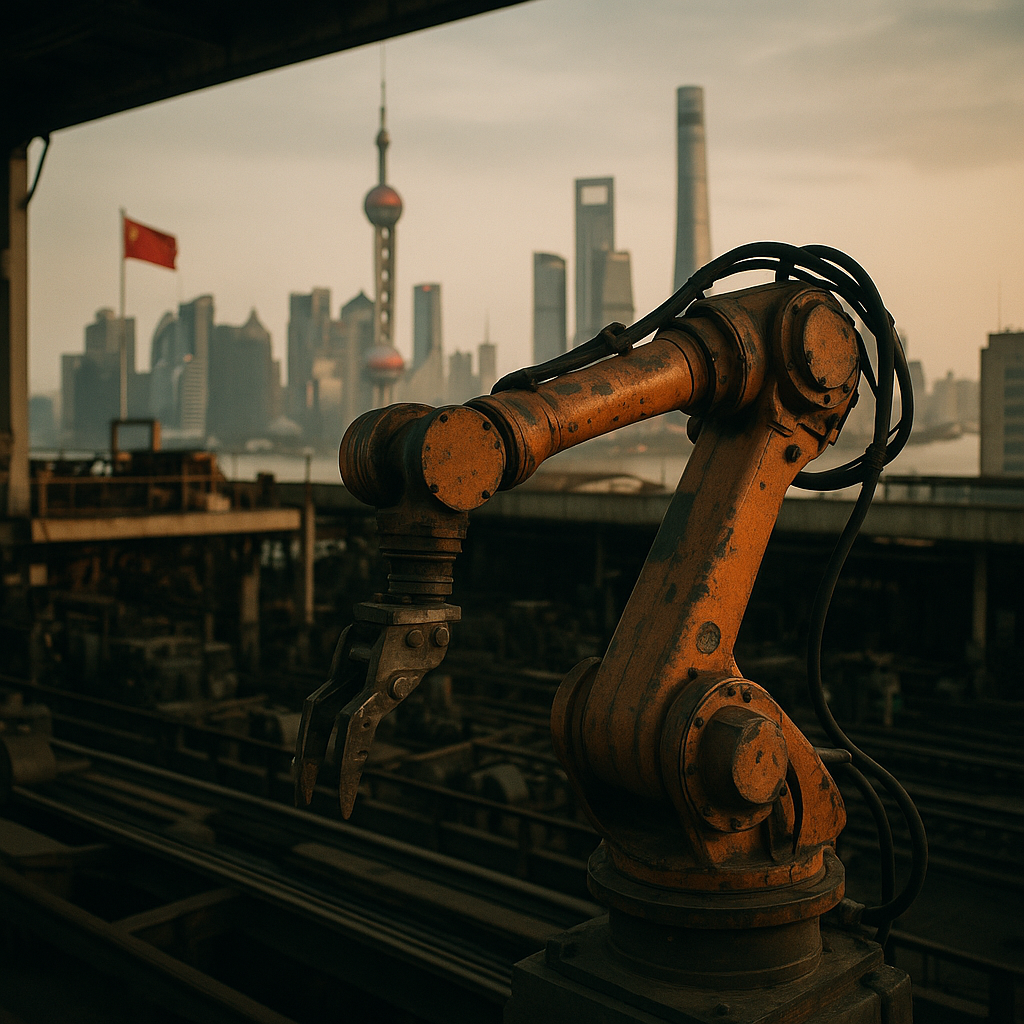
China Manufacturing PMI Edges Higher as Exports and AI Spending Support Activity
Manufacturing PMI Supported by Export Demand
China’s official manufacturing PMI rose to 50.3 in June, compared with 50.0 in May and above market expectations of 50.2, according to government data released on Tuesday. A reading above 50 indicates expansion, though the improvement remained modest.
The pick-up in manufacturing activity was fueled largely by strong export demand. Overseas buyers front-loaded orders amid heightened uncertainty linked to the Middle East conflict and oil price volatility. With the United States and Iran having agreed to a peace deal and oil prices returning to pre-war levels, the current strength in front-loaded export orders may moderate in the coming months.
Analysts at Capital Economics noted that the improvement was “particularly pronounced for export orders,” indicating that external demand remains the main driver of growth for China’s manufacturing sector. They also cautioned that, despite the better headline reading, the sector appeared to be slipping back towards deflation.
Services and Composite Activity Show Marginal Gains
China’s non-manufacturing PMI rose to 50.2 in June, surpassing expectations of 49.9 and slightly above the 50.1 recorded in May. The data signaled some improvement in local services activity, although overall domestic demand remained subdued.
The composite PMI, which combines manufacturing and services data, increased to 50.6 in June from 50.5 in May, indicating a marginal broad-based expansion in overall business activity.
Analysts at ING said the stronger-than-expected PMI readings did not alter their view that China’s economic growth would likely slow in the second quarter. However, they noted that such a trend could encourage additional stimulus measures from Beijing to support activity.
FAQ
What was China’s official manufacturing PMI in June?
Answer: China’s official manufacturing PMI was 50.3 in June, up from 50.0 in May and slightly above expectations of 50.2.
What drove the improvement in manufacturing activity?
Answer: The improvement was driven mainly by strong export demand, with overseas buyers front-loading orders amid earlier uncertainty over the Middle East conflict and oil prices, as well as robust artificial intelligence-related spending.
How did the non-manufacturing and composite PMIs perform?
Answer: The non-manufacturing PMI rose to 50.2 in June from 50.1 in May, while the composite PMI increased to 50.6 from 50.5, indicating marginal expansion in both services and overall activity.
What are analysts expecting for China’s near-term growth outlook?
Answer: ING analysts expect a slowdown in second-quarter economic growth despite the stronger-than-expected PMI data, and they indicated that this could prompt further stimulus measures from Beijing.
Share
Hot topics

STP, NDD, ECN and DMA: Broker Execution Models Decoded
When picking a forex broker, we don’t just look at the brokerage that has the lowest spreads, bonuses, and other kind of what is apparent for us. There is one...
Read more



Submit comment
Your email address will not be published. Required fields are marked *