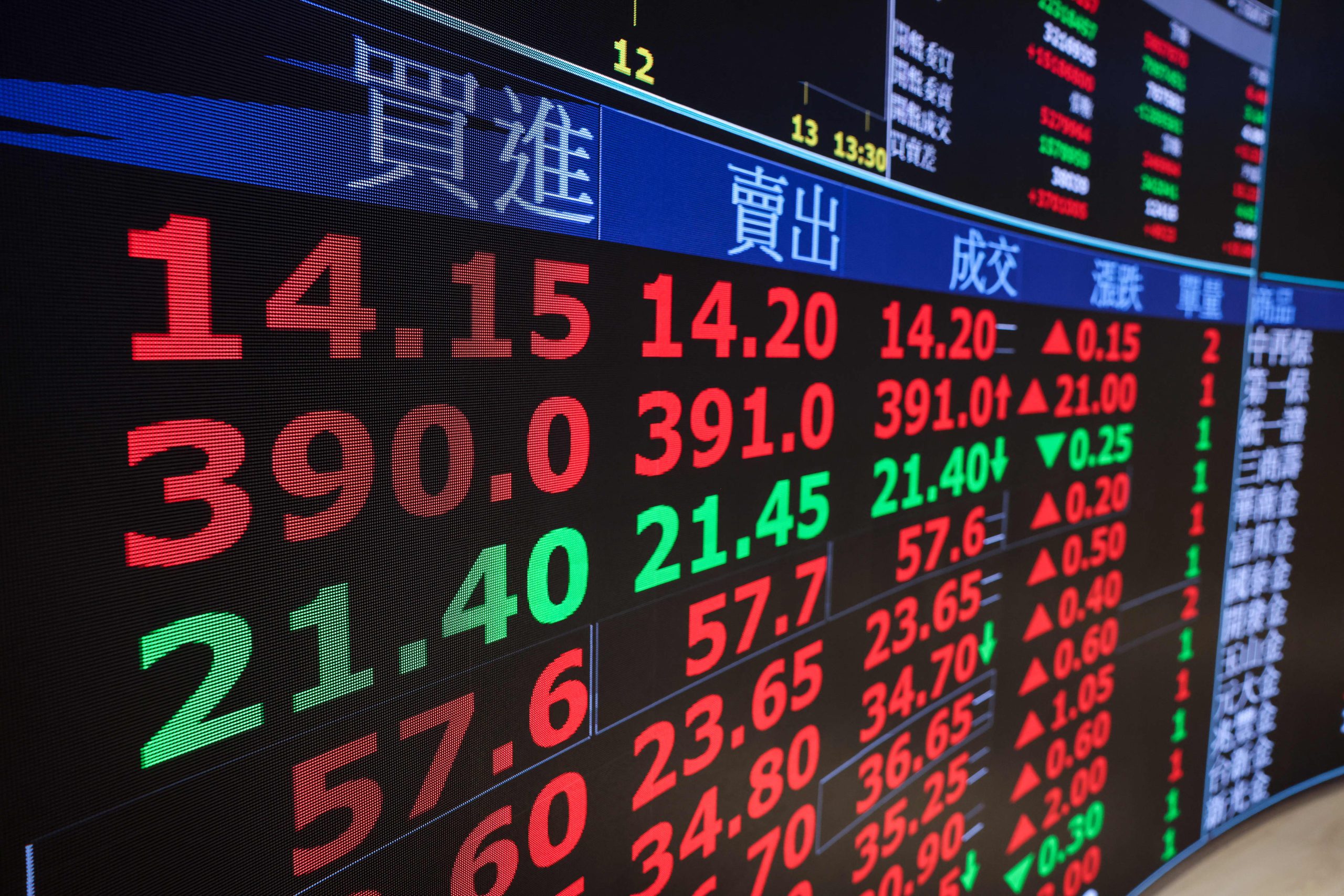
Asian stocks mixed as chip rally cools and geopolitical concerns weigh
Wall Street lead fades amid U.S.-Iran uncertainty
Asian trading opened with a positive cue from Wall Street, where major indexes had reached record highs overnight on continued strength in chipmaking stocks. However, this momentum faded early Tuesday, with S&P 500 Futures down 0.4% in Asian trade.
Market sentiment was further pressured by mixed signals surrounding the Iran conflict. A late-Monday report indicated that Tehran had halted communications with the United States through mediators. In contrast, U.S. President Donald Trump said talks were still ongoing and that he expected a deal within the next week.
Japan and South Korea retreat from record highs
Japan’s Nikkei 225 and South Korea’s KOSPI were the weakest major markets in the region, each falling about 2% from record highs. Recent gains in both indexes had been largely driven by chipmakers and technology shares, which were the main drags on Tuesday as investors took profits following a strong rally through May linked to optimism over artificial intelligence.
The rally in global chip stocks had been supported by product announcements, including new AI offerings unveiled by Nvidia on Monday. In South Korea, risk sentiment was additionally dampened by stronger-than-expected consumer inflation. CPI inflation reached a 26-month high in May, increasing expectations that the Bank of Korea may raise interest rates later this year.
Hong Kong tech names support regional divergence
Hong Kong’s Hang Seng index outperformed, rising 0.8% on gains in heavyweight technology stocks. BYD was among the top contributors after the electric vehicle maker reported its first monthly sales increase in eight months, sending its shares up nearly 5%. Tencent climbed nearly 8% following a Financial Times report that it planned to launch an embedded AI agent for its WeChat application.
Elsewhere in China, the Shanghai Shenzhen CSI 300 added 0.7%, while the Shanghai Composite edged slightly lower, highlighting divergent moves within the mainland market.
Policy concerns pressure Australia; Singapore gains
Australia’s ASX 200 declined 0.5% after Reserve Bank of Australia board member Ian Harper warned that sticky inflation remained a significant issue. His comments increased concerns over the possibility of further interest rate hikes, following a cumulative 75 basis points of rate increases by the RBA so far this year.
Singapore’s Straits Times index rose 0.6%, while futures for India’s Nifty 50 index fell 0.8%, signaling the potential for continued weakness in Indian equities.
FAQ
Which Asian markets fell the most on Tuesday?
Japan’s Nikkei 225 and South Korea’s KOSPI were the weakest performers, each dropping about 2% from record highs.
What factors weighed on South Korean stocks?
South Korean equities were pressured by profit-taking in chipmakers and technology shares and by a stronger-than-expected May CPI reading, which raised expectations of possible interest rate hikes by the Bank of Korea.
Why did Hong Kong’s Hang Seng index rise?
The Hang Seng index gained 0.8%, supported by advances in major technology names, including BYD and Tencent, following positive sales data and product-related news.
How did monetary policy concerns affect Australia’s market?
The ASX 200 fell 0.5% after RBA board member Ian Harper highlighted persistent inflation, heightening concerns about additional interest rate increases after 75 basis points of hikes earlier in the year.
Share
Hot topics

STP, NDD, ECN and DMA: Broker Execution Models Decoded
When picking a forex broker, we don’t just look at the brokerage that has the lowest spreads, bonuses, and other kind of what is apparent for us. There is one...
Read more




Submit comment
Your email address will not be published. Required fields are marked *