
Asian stocks steady as chipmakers rally, Trump–Xi summit confirmed
Chinese equities gain on summit news and stronger inflation
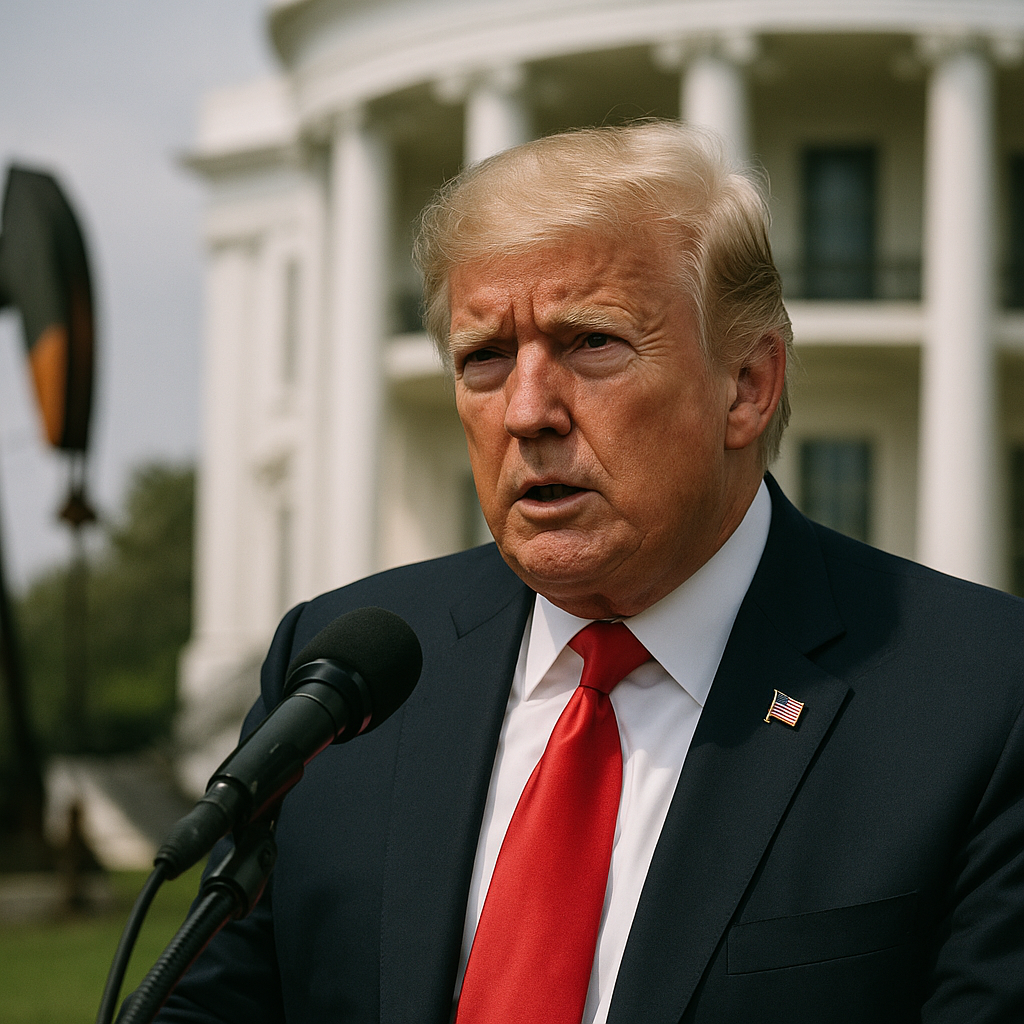
Chinese stocks advanced after state media confirmed that U.S. President Donald Trump will meet President Xi Jinping in Beijing between May 13 and 15. The summit will be the first major visit by a U.S. leader to the Chinese capital in nearly a decade, with trade tariffs, Taiwan, and the war in the Middle East expected to be key topics. The two leaders are also likely to extend a trade truce reached in October 2025.
The Shanghai Shenzhen CSI 300 index rose 1.2%, while the Shanghai Composite gained 0.7% on Monday. In contrast, Hong Kong’s Hang Seng index fell 0.4%.
Official data showed China’s consumer price index inflation for April came in stronger than expected, while producer price index inflation climbed to a near four-year high. According to the report, higher import costs linked to the conflict in the Middle East were a major driver of the increase.
KOSPI hits record high; regional moves mixed
South Korea’s KOSPI was the standout performer, surging nearly 5% to a record high, extending the previous week’s sharp gains. The rally was led by chipmaking stocks, which followed strength in their U.S. counterparts. SK Hynix Inc jumped nearly 12% and Samsung Electronics Co Ltd rose nearly 6%, with both stocks reaching record highs. The companies have been in a sustained uptrend this year as demand from the AI industry has contributed to a memory chip supply shortage and higher prices.
Broader Asian markets traded flat to slightly lower. Japan’s Nikkei 225 declined 0.4%, weighed down by a near 9% drop in Nintendo Co Ltd after the videogame company reported disappointing earnings and guidance, while the TOPIX index was flat. Australia’s ASX 200 fell 0.7%, pressured by sharp losses in CSL Ltd after the biopharmaceutical firm unexpectedly cut its annual guidance. Singapore’s Straits Times index edged higher.
In India, futures for the Nifty 50 index slipped 1% in morning trade, reflecting increased caution after Prime Minister Narendra Modi warned of potential economic fallout from the Middle East conflict. Indian markets are highly sensitive to rising oil prices due to the country’s heavy reliance on oil and gas imports from the region.
S&P 500 futures eased 0.1% in Asian trading after Wall Street closed at record highs on Friday, with attention turning to U.S. consumer price index data due on Tuesday. The Middle East conflict showed little sign of abating after Trump rejected Iran’s response to a 14-point peace proposal, coinciding with renewed military activity in the Strait of Hormuz and a sharp rise in oil prices.
FAQ
What drove gains in Chinese stocks on Monday?
Chinese equities rose on confirmation of a mid-May summit between Trump and Xi in Beijing and on stronger-than-expected April inflation data, including consumer and producer price increases.
Why did South Korea’s KOSPI reach a record high?
The KOSPI surged nearly 5% to a record high, mainly due to strong rallies in chipmakers SK Hynix and Samsung Electronics, which benefited from ongoing demand linked to the AI industry and a memory chip supply shortage.
Which major Asian markets declined?
Japan’s Nikkei 225 fell 0.4%, Australia’s ASX 200 dropped 0.7%, and Hong Kong’s Hang Seng slipped 0.4%, with losses driven by specific large-cap stocks such as Nintendo and CSL Ltd.
How is the Middle East conflict affecting markets?
The conflict has contributed to higher oil prices and increased import costs, particularly for China and India, while renewed military activity in the Strait of Hormuz and the rejection of a peace response by Trump have added to geopolitical uncertainty.
Share
Hot topics

STP, NDD, ECN and DMA: Broker Execution Models Decoded
When picking a forex broker, we don’t just look at the brokerage that has the lowest spreads, bonuses, and other kind of what is apparent for us. There is one...
Read more


Submit comment
Your email address will not be published. Required fields are marked *