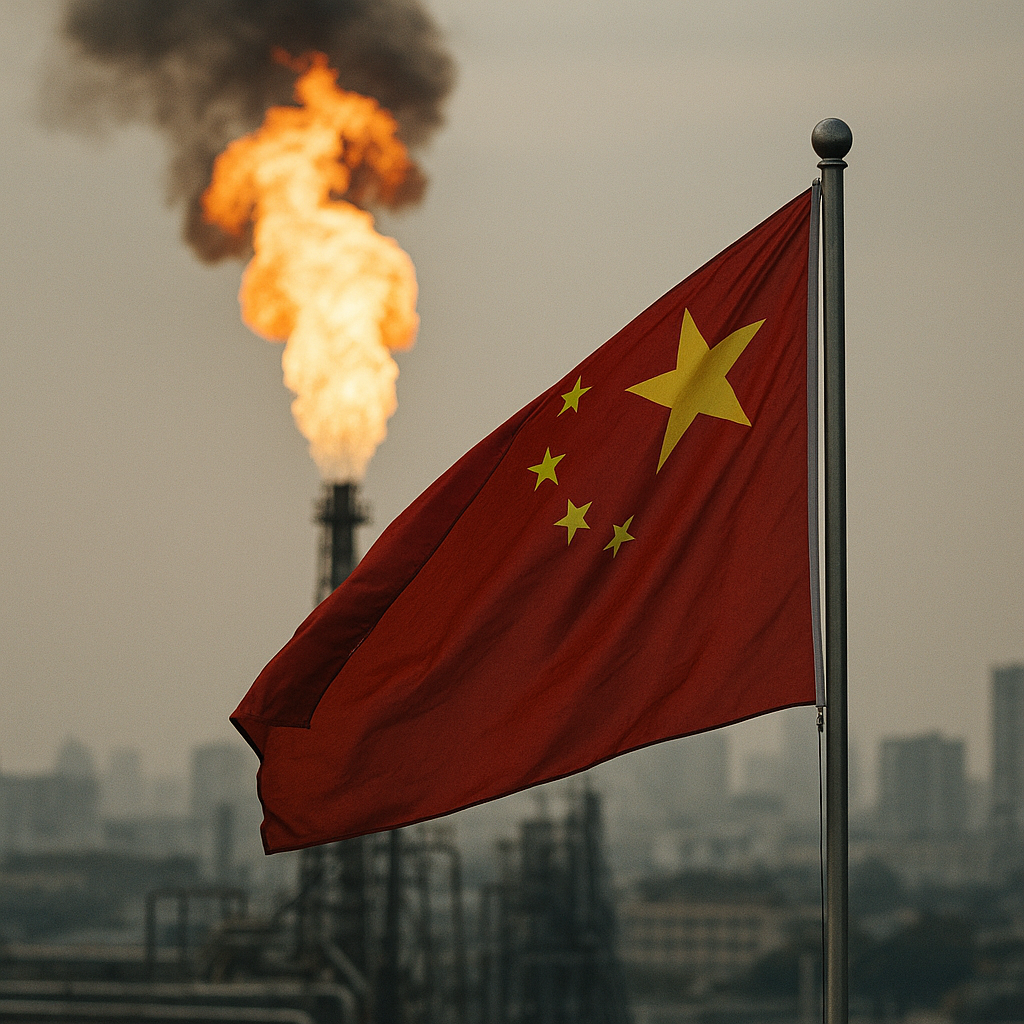
China Inflation Accelerates in April on Rising Energy Costs
CPI and PPI Data Exceed Expectations
China’s consumer price index (CPI) increased 1.2% year-on-year in April, according to data from the National Bureau of Statistics released on Monday. The reading surpassed market expectations of a 0.9% rise and accelerated from the 1.0% increase recorded in the previous month.
The producer price index (PPI) showed a sharper move, surging 2.8% year-on-year in April. This print was well above expectations of a 1.7% rise and significantly higher than the prior month’s 0.5% increase. Producer inflation grew at its fastest pace since July 2022.
The rise in producer prices was tied largely to higher input costs, particularly in petrochemicals and fuel. Local fuel and transportation prices increased as supply disruptions stemming from the Middle East conflict pushed up energy costs.
Cost-Push Inflation Pressures and Economic Risks
Monday’s data indicated that the Iran war is offsetting a long-running deflationary trend in China. China is a major importer of crude from Iran, and a U.S. naval blockade of the country, along with the closure of the Strait of Hormuz, has largely cut off Iran’s oil and gas supplies, contributing to higher energy prices.
Economists have warned that a cost-based inflationary shift, rather than one driven by domestic demand, could weigh on the Chinese economy. Higher input costs risk eroding business margins and may narrow the scope for additional policy stimulus from Beijing.
Analysts at Capital Economics noted that “it is possible that cost-push pressures work their way through to wider inflation over the coming months.” However, they also stated that with domestic demand growth still sluggish, a broader and sustained rebound in Chinese inflation remained unlikely in the near term.
China has been contending with pronounced deflation since the COVID-19 period, as local demand weakened persistently. Overproduction at Chinese factories has reinforced this trend, keeping inflation subdued despite sustained reflationary efforts by authorities.
FAQ
What were China’s main inflation figures for April?
China’s CPI rose 1.2% year-on-year in April, while PPI increased 2.8% year-on-year, both exceeding market expectations.
What factors drove the sharp rise in producer prices?
The PPI increase was mainly driven by higher input costs, especially for petrochemicals and fuel, linked to energy market disruptions from the Middle East conflict.
How is the Iran war affecting China’s inflation dynamics?
The Iran war, combined with a U.S. naval blockade and the closure of the Strait of Hormuz, has restricted Iran’s oil and gas supplies, raising energy costs for China and helping to offset its previous deflationary trend.
Why are economists concerned about cost-based inflation in China?
Economists caution that cost-push inflation can compress business margins and limit room for additional stimulus, particularly when domestic demand remains weak, potentially hindering economic performance.
Share
Hot topics

STP, NDD, ECN and DMA: Broker Execution Models Decoded
When picking a forex broker, we don’t just look at the brokerage that has the lowest spreads, bonuses, and other kind of what is apparent for us. There is one...
Read more


Submit comment
Your email address will not be published. Required fields are marked *