
Asian stocks edge higher as chipmakers, AI shares rebound
Chipmakers drive gains in South Korea and Japan
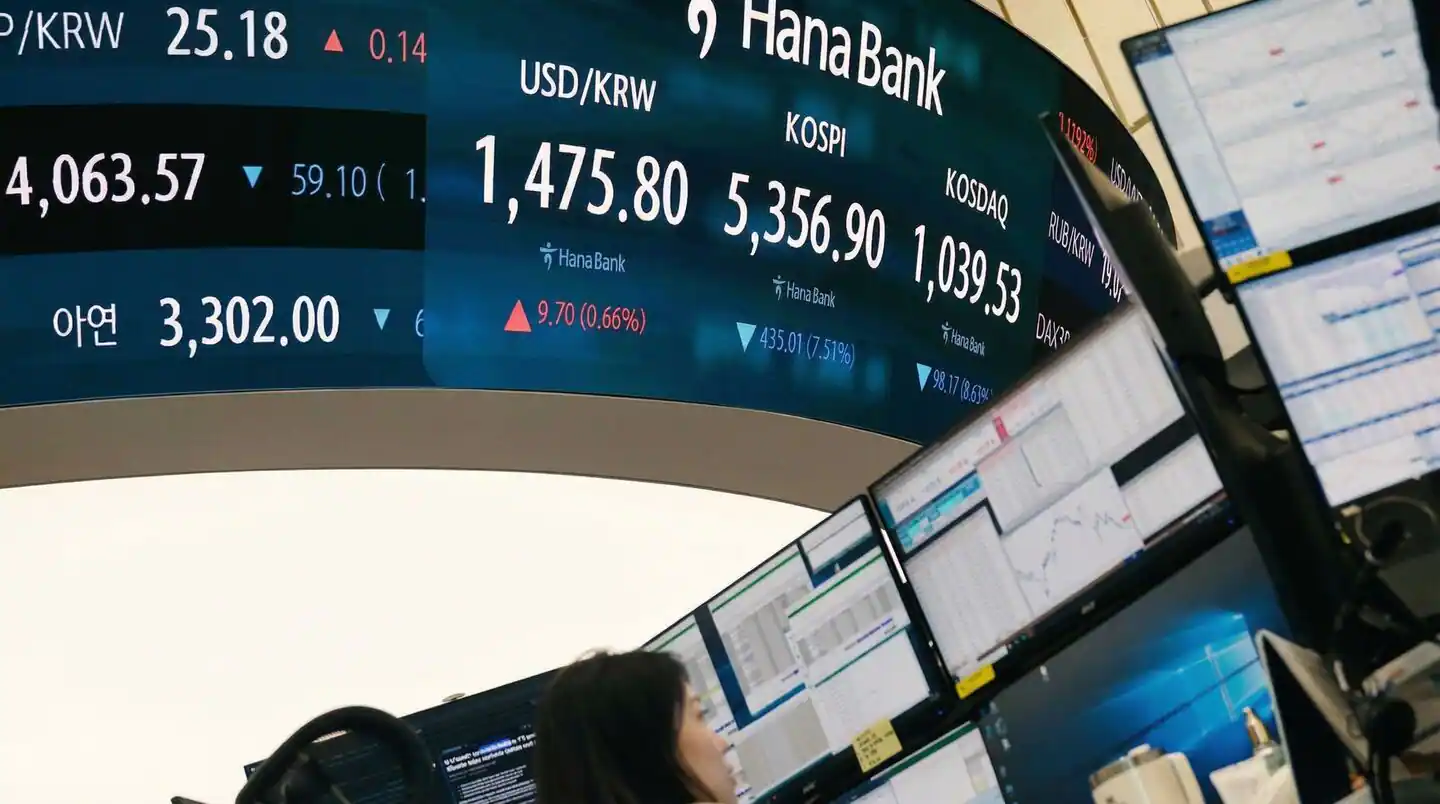
South Korea's KOSPI index surged 3% after an 8.3% slump in the previous session, led by heavyweight chipmakers. Samsung Electronics Co Ltd rose 3.4%, while SK Hynix Inc climbed 7.7%, with the latter additionally supported by news of a major partnership with leading AI chipmaker Nvidia. South Korean equities were further underpinned by an upward revision to first-quarter gross domestic product, which showed the economy expanding 1.8%, driven mainly by robust semiconductor exports.
Japan's Nikkei 225 index gained 0.9% after a decline of over 4% in the prior session, while the TOPIX index added 0.5%. Chipmaker Tokyo Electron Ltd. advanced 7.6% to become the top performer on the Nikkei, whereas SoftBank Group Corp. slipped 0.8%. Despite the rebound, technology shares across the region remained volatile following a sharp selloff driven by questions over the sustainability of the AI rally, rising interest rate concerns, and recent Middle East tensions.
Chinese trade data supports equities; regional moves mixed
China's Shanghai Shenzhen CSI 300 and Shanghai Composite each rose 0.4% after May trade figures showed a larger-than-expected increase in the trade surplus, fueled primarily by an outsized jump in exports. The data indicated that China's export-led growth strategy remains firmly in place. Imports also exceeded expectations, supported by higher domestic demand for semiconductors and AI data center components.
Chinese equities showed limited reaction to the United States adding Alibaba Group, Baidu Inc, and BYD to a blacklist of firms alleged to have ties to the Chinese military. Baidu and BYD posted slight gains, while Alibaba edged down 0.5%. Hong Kong's Hang Seng index slipped 0.2%.
Elsewhere in the region, Singapore's Straits Times index rose 1.1%. Australia's ASX 200 fell 0.3%, weighed down by weakness in local mining stocks. Futures for India's Nifty 50 index were down 0.2%, pointing to a subdued open after a 1% decline in the cash index in the previous session, as Indian equities have recently lagged regional peers amid concerns over the impact of high oil prices on the import-dependent economy.
Markets were also influenced by geopolitical developments. Israel and Iran agreed to halt strikes against each other following demands from U.S. President Donald Trump. S&P 500 futures edged higher in Asian trading after Trump stated that the United States would declare "total victory" over Iran in two weeks.
FAQ
Which Asian market performed the strongest on Tuesday?
South Korea's KOSPI index was the strongest performer, rising 3% on the day.
What factors supported South Korean equities?
South Korean equities were supported by a rebound in major chipmakers Samsung Electronics and SK Hynix, a new partnership between SK Hynix and Nvidia, and an upward revision to first-quarter GDP growth to 1.8%, driven by strong semiconductor exports.
How did Chinese trade data affect local markets?
Stronger-than-expected May trade data, including a larger trade surplus and robust export and import growth, helped lift the Shanghai Shenzhen CSI 300 and Shanghai Composite indices by 0.4% each.
How did geopolitical developments influence market sentiment?
Market sentiment was aided by Israel and Iran agreeing to halt strikes against each other after demands from U.S. President Donald Trump, while S&P 500 futures in Asian trade rose slightly after Trump said the U.S. would declare "total victory" over Iran in two weeks.
Share
Hot topics

STP, NDD, ECN and DMA: Broker Execution Models Decoded
When picking a forex broker, we don’t just look at the brokerage that has the lowest spreads, bonuses, and other kind of what is apparent for us. There is one...
Read more


Submit comment
Your email address will not be published. Required fields are marked *