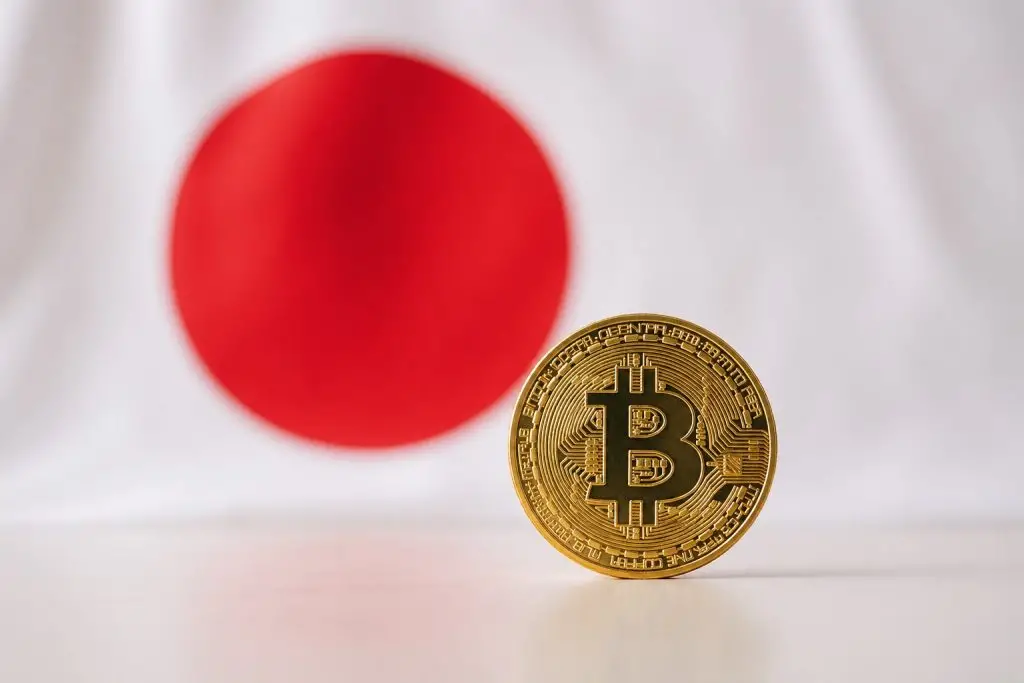
Japan Moves to Classify Crypto Assets as Financial Instruments
Bill Advances Toward Stricter Crypto Oversight
Japan’s House of Representatives has moved forward a bill that would bring crypto assets under a regulatory regime similar to that governing traditional securities. The legislation was approved by the House of Representatives’ Finance and Financial Affairs Committee on June 10, according to parliament records, after being submitted by the cabinet in April. It is expected to take effect next year if approved by the upper house, the House of Councillors.
Under the proposed framework, crypto assets would be classified as financial instruments. This shift would subject crypto markets to stricter trading rules, comparable to those applied to stocks. At the same time, the change would open the way for potential tax reforms, including a move from a maximum 55% tax rate on crypto gains to a flat 20% rate, bringing parity with the tax treatment of stocks and bonds.
Currently, the Financial Services Agency (FSA), Japan’s primary financial regulator, oversees crypto mainly under the Payment Services Act, which treats such assets as a means of payment. The reclassification would signal a broader supervisory approach, extending oversight across a wider range of crypto-related activities and businesses.
Stablecoin Sector Gains Momentum Under Evolving Rules
The legislative initiative comes as Japan’s crypto sector, and particularly its stablecoin segment, continues to develop. In 2023, amendments to the Payment Services Act introduced the concept of “electronic payment instruments,” allowing registered service providers and banks to issue and manage stablecoins under a clarified regulatory framework.
Following these changes, several market participants have launched or prepared yen-denominated stablecoin projects. In October 2025, fintech company JPYC Inc. announced JPYC, described as the country’s first legally recognized yen stablecoin. In February, SBI Holdings and Startale Group introduced JPYSC, a trust bank-backed yen stablecoin aimed at institutional and cross-border use cases.
Japan’s three major banking groups — MUFG Bank, Mizuho Bank, and SMBC — plan to start live commercial transactions using a jointly issued stablecoin within the fiscal year ending March 2027. These developments indicate a growing institutional presence in Japan’s crypto and stablecoin markets alongside the ongoing legislative changes.
Share
Hot topics

STP, NDD, ECN and DMA: Broker Execution Models Decoded
When picking a forex broker, we don’t just look at the brokerage that has the lowest spreads, bonuses, and other kind of what is apparent for us. There is one...
Read more




Submit comment
Your email address will not be published. Required fields are marked *