
What Is Institutional Trading in Forex?
If you’ve ever watched the market move suddenly and wondered, “Who caused that?”, you’re asking the right question. Behind most major moves in forex, there are large participants institutions that operate with capital far beyond what most retail traders can imagine.
Institutional trading is not about guessing or reacting. It’s about planning, positioning, and executing at scale. When these players enter the market, their decisions can shift price direction, create trends, or trigger sudden reversals.
This is why many traders start exploring ideas like the smart money concept. The idea is simple: instead of trading against large players, try to understand what they’re doing and align with them.
At the center of this discussion are institutional traders forex banks, hedge funds, and financial firms that move large volumes daily. Their actions shape the structure of the market.
To understand how they operate, you also need to understand liquidity in forex. Without liquidity, large trades can’t be executed efficiently. Institutions constantly look for areas where enough orders exist to support their positions.
Another important factor is your trading environment. Understanding what is a forex broker matters because execution speed and pricing accuracy can directly affect your trading results.
Regulation also plays a role. The forex market is global, and forex regulation helps ensure transparency and fair practices, especially when dealing with large financial participants.
Even your broker, such as Otet, can influence how smoothly you experience the market, particularly when timing and precision matter.
Who Are Institutional Traders?
When discussing Forex trading, people usually associate it with individuals charting prices and placing trades. Unfortunately, the reality of Forex trading is drastically different; institutions are by far the largest providers of liquidity in Forex and account for most trades completed on Forex exchanges each day.
Institutional traders consist of various types of large financial organizations that have access to large amounts of capital. Institutions include: Central Banks; Commercial Banks; Hedge Funds; and Investment Firms.
At the core are the banks in forex market, which act as liquidity providers and major participants. They facilitate trades while also taking positions themselves.
Another important group includes those involved in hedge funds trading forex. These firms use advanced strategies and large capital to take advantage of market opportunities.
These entities are often referred to as big players trading because their decisions can move the market significantly.
Unlike retail traders, institutions have access to better tools, deeper data, and faster execution systems.
They also think differently. Instead of chasing price, they plan entries carefully and build positions over time.
This is why understanding institutional behavior can give you a major advantage in trading.
How Institutions Move the Market
Institutions don’t just place trades they influence the market through how they execute them.
Because of their size, they can’t enter positions all at once. Doing so would move the market against them. Instead, they build positions gradually.
This is why liquidity is so important. Institutions look for areas where many orders exist so they can enter efficiently.
This is where smart money institutions come into play. These players understand how to use liquidity to their advantage.
They may push price into areas where stop losses are clustered, creating the liquidity they need.
This behavior often looks like manipulation to retail traders, but it’s actually part of how large-scale trading works.
Institutions also operate during high-volume sessions, such as London and New York, where liquidity is strongest.
Over time, you’ll notice patterns sharp moves, sudden reversals, and strong trends often involve institutional activity.
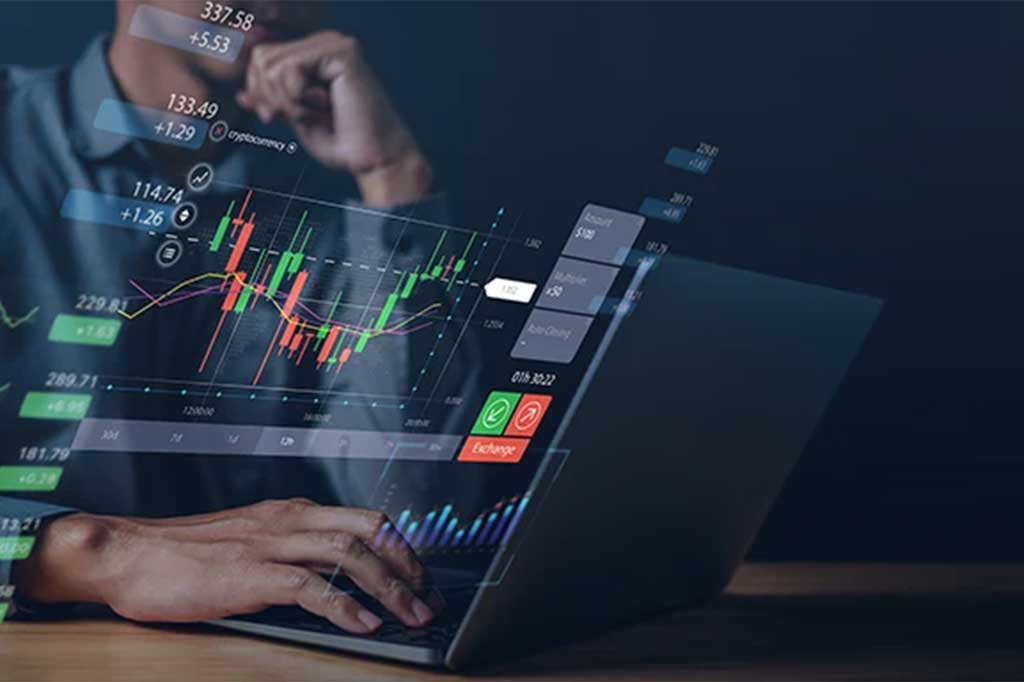
Institutional vs Retail Trading
Now that you understand how institutions function, your next objective is to analyze how they differ from retail traders. This is essential because it illustrates why many novice traders have difficulties and could potentially improve their performance.
Retail Traders – Retail traders are private individuals using their own money in the market. Typically they utilize charting, technical indicators, based on short-term strategies. Their trading decisions can often be swayed by emotions such as fear or excitement.
Institutional Traders – Institutional traders operate significantly different than retail traders. They use much larger capital amounts than retail traders to execute trades using structurally based methodical systems with an overarching view of the market (long term strategies). Their priorities include profit, execution efficiency, and risk management.
One major difference is access to information. Institutions often have better data, faster systems, and deeper insights into the market. Retail traders typically work with delayed or simplified information.
Another difference is mindset. Retail traders often chase price. They see a move and jump in late. Institutions rarely do this. They wait for price to reach levels where they can enter efficiently.
This is why the concept of big players trading becomes important. These players don’t follow the market they help shape it.
Risk management is also handled differently. Retail traders might risk too much on a single trade, hoping for quick gains. Institutions spread risk across positions and manage exposure carefully.
Execution is another key point. Institutions can influence price due to their size, while retail traders must adapt to the market conditions created by those large participants.
This doesn’t mean retail traders are at a disadvantage. It simply means they need to approach the market differently.
Although retail traders tend to compete directly with institutions, they should instead look for clues about institutional activity and make trading decisions based on those clues.
A key difference between institutions and retail traders is the amount of time and patience each has. While institutions have a long-term view and wait for conditions to be right before they execute trades, retail traders feel like they must constantly enter and exit trades.
The constant entering and exiting of trades can lead to over-trading; this is one of the largest mistakes that most retail traders make. By becoming a more patient trader, retail traders will have better results with their trading than if there weren’t any changes made.
The tools available to institutions and retail traders also differ. Retail traders use technical analysis (indicators), whereas institutional traders rely on the order book, liquidity, challenge the overall market.
The ultimate goal of all retail traders is not to become an institution but to learn to think like an institution. Learning to think like an institution will help improve one’s trading decisions.
In simple terms, retail trading tends to be spontaneous, whereas institutional trading tends to be methodical and well thought through. The first step in improving your trading is to recognize the many fundamental differences between the two forms of trading.
Liquidity and Market Manipulation
Understanding institution operations requires an understanding of liquidity. If there is no liquidity, then the market cannot function and, more importantly, large market participants will not have enough liquidity to successfully make transactions.
Liquidity refers to the number of orders in the market (buy and sell). The more orders there are, the easier it is for an order to fill. When there is less liquidity, it takes fewer transactions to move price more quickly.
Liquidity is critical for institutional traders because they need a large amount of liquidity to enter or exit large positions. They tend to look for areas of the market where there are a higher number of clustered orders.
These areas are usually easy to spot. They include obvious support and resistance levels, equal highs and lows, or zones where traders commonly place stop losses.
This is where things can feel confusing for retail traders. Price may move toward these levels, break them, and then reverse suddenly. Understanding liquidity in forex is crucial to see why these moves happen. At first, it looks like a false breakout or even manipulation.
In reality, this behavior is often driven by liquidity. Institutions push price into these areas to trigger orders. Once those orders are filled, the market can move in the intended direction.
This is closely tied to the idea of smart money institutions. These players understand where liquidity sits and use it to their advantage.
For example, imagine many traders place stop losses above a resistance level. That area becomes a pool of liquidity. Institutions may push price above that level to trigger those stops before reversing.
To a beginner, this feels like the market is “tricking” them. But from an institutional perspective, it’s simply part of executing large trades.
The process of liquidity hunting refers to searching for liquidity in order to execute large orders of stock efficiently rather than manipulating the market. Being aware of this can change your perception of the market because you’ll no longer respond emotionally when you see a sudden price (market) movement; instead, you will ask yourself where the liquidity is located and why did price reach that level. Additionally, not all price movement is caused by market manipulation; price can also move due to natural economics of supply and demand.
When you are able to combine liquidity analysis with the structure and context will give you other patterns to identify. You will see how price usually travels towards a price point before a significant move to either side.
This awareness will help you to not make mistakes like entering orders prematurely or placing stops in areas that are easy to find. In other words, liquidity is the fuel that allows institutions to buy/sell securities on a large scale. When you understand this, the price action will be much clearer to you .
Institutional Trading Strategies
Institutional trading is built on patience, planning, and execution.
At the core of any institutional strategy is the idea of waiting for the right conditions.
Institutions often accumulate positions over time, especially in ranging markets.
Once enough liquidity is gathered, the market can move strongly in one direction.
Timing is also important. Institutions prefer to trade during periods of high liquidity.
They also focus on risk management, spreading exposure across multiple positions.
Unlike retail traders, they don’t rely heavily on indicators. They focus on price behavior and liquidity.
Understanding these strategies can help you see the market more clearly.
How Retail Traders Can Follow Institutions
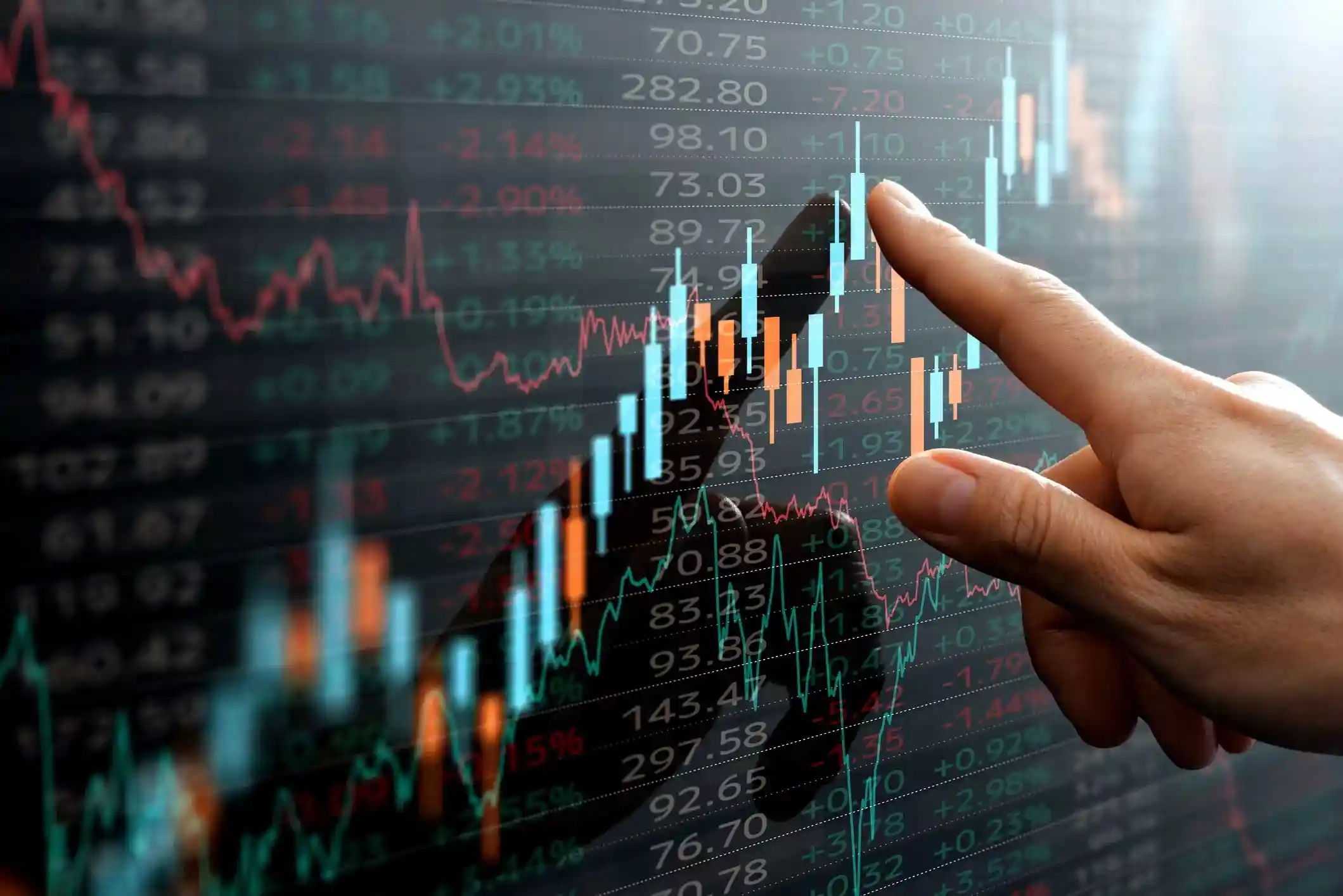
At this point, you might be wondering: if institutions control so much of the market, what can a retail trader actually do? The answer is simple you don’t compete with them, you learn to follow them.
The first step is changing your mindset. Instead of asking “what should I trade?”, start asking “what are institutions likely doing here?” This shift alone can improve your decision-making.
Retail traders don’t have the same capital or tools, but they do have one advantage flexibility. You can enter and exit trades quickly without worrying about moving the market.
This is why observing price behavior becomes so important. By watching how price reacts at key levels, you can often spot signs of big players trading.
For example, if price reaches a strong level and suddenly reverses with momentum, it may indicate institutional activity. These moments are where opportunities often appear.
Another useful approach is focusing on structure. Institutions often operate around key highs, lows, and liquidity zones. Aligning your trades with these areas can improve your accuracy.
Patience is also critical. Institutions wait for the right conditions, and retail traders should do the same. You don’t need to trade every move just the right ones.
One method of improving risk management involves instituting the same type of risk management methods at an institutional level as the institutions do in order to protect your capital from being lost through implementation of similar risk management methods.
Another method of improving risk management is to simplify your processes. You do not need to use complex systems or have multiple indicators; usually having a basic understanding of price, structure, and liquidity will be all that you require.
Over time, you will go from having a reactive method of managing risk to having a logical basis for understanding the movement of the market.
You will learn to identify patterns where the price tends to reverse direction, and the price tends to accelerate or decelerate.
This will assist you in holding your position within the market for a longer time.
Lastly, when you follow institutions, you are watching, waiting and being disciplined. You are not attempting to predict, but rather you are trying to understand what you see.
Conclusion
The Forex market is driven by institutions. Retail users account for the majority of trades; however, it is the decisions of larger institutional players that determine price movements.
Knowing how larger market participants operate and the way they choose to use liquidity, when they enter the market, and their strategies will give you a better understanding of the Forex market. It’s also important to be aware of forex regulation, as it affects how institutions can operate and the rules governing market behavior.
You do not have to trade like an institution in order to utilize their trading behavior. You merely have to recognize their traits.
Understanding this, over time will help you to trade with more confidence and make fewer assumptions.
Your ultimate aim should not be to achieve perfection but to strive for consistency. That is, by improving your understanding, albeit slightly, it will enhance your decision-making process and ultimately produce better outcomes.
With continuing effort and diligence, you can begin to position your trades with the prevailing forces that are actually moving the market.
FAQ
Yes. By observing price behavior and liquidity, retail traders can align with institutional activity.
Banks are major participants, but no single entity controls the entire market.
Smart money refers to experienced, well-capitalized players like banks and hedge funds.
Yes. It is a standard part of global financial markets and operates under regulatory frameworks.
Share
Hot topics

STP, NDD, ECN and DMA: Broker Execution Models Decoded
When picking a forex broker, we don’t just look at the brokerage that has the lowest spreads, bonuses, and other kind of what is apparent for us. There is one...
Read more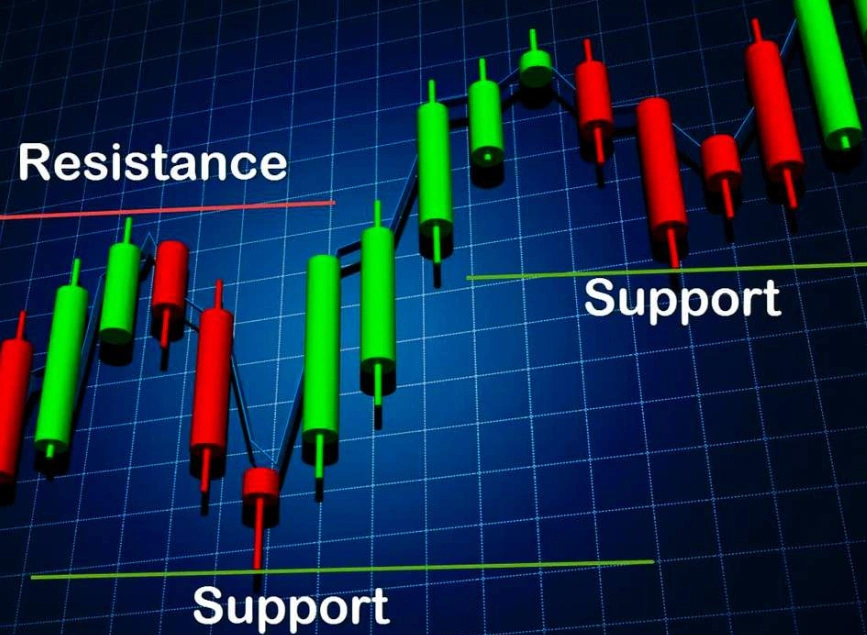

Submit comment
Your email address will not be published. Required fields are marked *