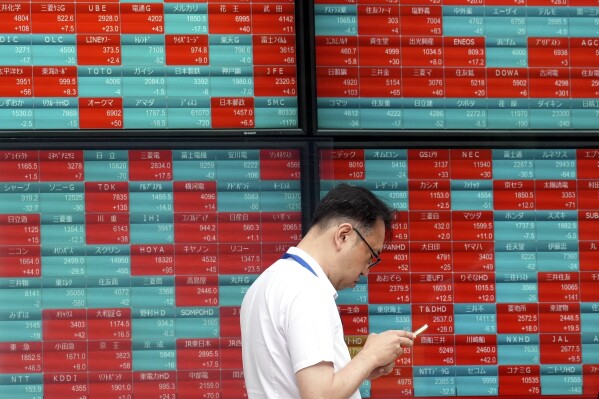
Asian stocks fall as RBA hikes rates and Hormuz tensions hit sentiment
Asian markets pressured by Hormuz tensions and Wall Street decline
Asian markets tracked overnight losses on Wall Street, where U.S. stocks fell on Monday after Iran launched strikes in response to a U.S. operation to reopen the Strait of Hormuz. The development threatened to unsettle an already fragile ceasefire between the U.S. and Iran, although separate comments from Iranian officials indicated that talks between both sides were still progressing.
S&P 500 Futures were flat in Asian trade, offering little support to regional sentiment. With markets in Japan, China, and South Korea closed, overall regional trading activity remained subdued. Broader Asian indices were mostly lower, with Singapore’s Straits Times index down 0.3% and India’s Nifty 50 index falling 0.8%.
RBA rate hike weighs on Australian equities
Australia's ASX 200 fell 0.4% after the RBA raised its key interest rate by 25 basis points, in line with widespread expectations. The increase marked the central bank’s third rate hike this year, taking rates to their highest levels since late 2024. The ASX 200 had already declined in 10 of the 11 sessions leading up to the decision, as higher rates continued to weigh on local equities.
In its statement, the RBA highlighted growing risks from the Middle East conflict, especially to inflation and growth. It sharply raised its consumer price index outlook and cut its growth forecasts for 2026. The bank also noted increased uncertainty over the impact of the Iran conflict and said it remained unclear how tight monetary policy would ultimately need to be.
Analysts at Capital Economics said they expected another 25 basis point hike in the third quarter and suggested the RBA’s terminal rate could be much higher. Nonetheless, the ASX 200 trimmed some losses after the announcement, as parts of the RBA’s language pointed to a potential near-term hold while it assesses the effects of previous rate increases.
Stock-specific moves added further pressure. Westpac Banking Corp fell 1.8% after its fiscal first-half profit missed market expectations. Gold miner Regis Resources Ltd declined 4.9% after announcing it would take over peer Vault Minerals.
Hong Kong tech stocks retreat after AI-driven rally
Hong Kong’s Hang Seng index dropped 1.4%, dragged lower by technology shares that followed overnight weakness in U.S. tech stocks. The sector also faced profit-taking after a strong run-up in recent weeks driven by optimism over artificial intelligence.
DeepSeek’s release of a new AI model in late April had previously fueled sharp gains in Hong Kong’s technology sector. That momentum faded as some investors locked in profits, contributing to Tuesday’s decline.
FAQ
Why did Asian markets fall on Tuesday?
Asian markets fell mainly due to weaker risk appetite following heightened tensions in the Strait of Hormuz, declines on Wall Street, and, in Australia’s case, a rate hike by the RBA.
What action did the Reserve Bank of Australia take?
The RBA raised interest rates by 25 basis points, its third hike this year, bringing rates to their highest level since late 2024 and signaling concern over inflation risks linked to the Middle East conflict.
How did Hong Kong’s Hang Seng index perform?
The Hang Seng index fell 1.4%, pressured by declines in technology stocks as investors took profits after recent AI-driven gains and tracked losses in U.S. tech shares.
Share
Hot topics

STP, NDD, ECN and DMA: Broker Execution Models Decoded
When picking a forex broker, we don’t just look at the brokerage that has the lowest spreads, bonuses, and other kind of what is apparent for us. There is one...
Read more


Submit comment
Your email address will not be published. Required fields are marked *