
Best Market to Trade for Beginners (Complete 2026 Guide)
Introduction
When you’re starting out as a trader, you’re probably thinking the same thing as everyone else: Where do I start? It can be hard to know which market to choose — Forex, stocks, crypto, commodities — because there are just so many, and they’re all full of potential. The biggest myths when starting your trading career revolve around choosing the right market! It often doesn’t take long for new traders to pick one of the trending markets on social media or get drawn into the crypto space because of how quickly it moves, and sticking with trend stocks simply because they are familiar with the companies that issue them. However, it’s important to note that your initial market choice will have a great impact on your learning curve, the amount of risk you are exposed to, and even how confident you feel to trade consistently in that market.
What Is the Best Market for Beginners?
For most beginners, Forex and major Stock Indices are the easiest markets to start with. They offer high liquidity, structured trading hours, relatively predictable behavior, and accessible educational resources.
Forex, in particular, is often considered ideal, especially in the context of trading for beginners, because it allows traders to start with small amounts of capital, practice on demo accounts, and trade during flexible hours.
To build a stronger foundation before getting started, it also helps to understand What Is Forex and How Does It Work?
Many traders also choose to trade indices such as the S&P 500 or NASDAQ, as these markets often display clearer trend movement than most individual stocks.
That said, “best” depends on your goals. If you want flexibility and 24-hour access, Forex might suit you. If you prefer analyzing companies and fundamentals, stocks could be better. The key is not popularity—it’s suitability.
Why Choosing the Right Market Matters for New Traders
Selecting the right market to learn how to trade is important for an easier learning process. Learning to swim in an ocean environment with waves crashing is not a good experience, just as trying to trade in very violent markets and/or very complex markets is similar.
Many markets have action that is too fast for new traders. Other markets require a significant amount of money to trade before you can derive any meaningful returns on your investment. A new trader should try to trade in an area that has sufficient opportunity for error, moderate volatility and distinct price action patterns.
Your first experience when you trade will build your confidence level. A more relaxed learning environment gives you an opportunity to concentrate on developing your skills instead of having to fight against an unpredictable market environment.
Key Factors to Consider Before Choosing a Market
Capital Requirements and Minimum Deposit
Some markets require significant capital. For example, certain stock markets may need thousands of dollars to build diversified positions.
Forex typically supports micro-lot trading, enabling new traders to enter the market with a smaller amount of capital than traditional markets would permit. This makes it easier for people who are just getting started to experiment with different strategies without putting any large amounts of money at risk.
Starting out small will help alleviate emotion-based trading because you will not be so concerned about your potential losses. At this point the focus becomes learning rather than worrying about how much money you may lose!
Market Hours and Trading Flexibility
Having flexible scheduling is crucial when working a full-time job. Foreign exchange (Forex) has the potential to be a great way for those with flexible schedules to enter into trades because it can be traded 24 hours a day on weekdays. The stock market has set hours; however, those who trade cryptocurrencies can trade them 24/7 but experience greater fluctuations than traditional assets, which can make them riskier than other types of investments. For those who require flexibility in their schedules, Forex may be the best option available due to its practicality.
Volatility and Risk Level
Opportunities arise from volatility; however, volatility also brings risk. For instance, some cryptocurrency prices can increase/decrease 10% – 20% in one day. This volatility can create a confusing environment for beginner investors in cryptocurrencies.
Unlike cryptocurrency investing, major currency pairs (e.g. EUR/USD, USD/JPY) generally experience much steadier price movement. Therefore, when trading currency pairs, beginners can practice risk management skills by trading on more moderate price movements and experience less negative surprises.
It is easier to build discipline in a stable environment prior to entering into a more aggressive market.
Learning Curve and Complexity
Every market has its own language. Stocks require understanding company reports. Futures involve contract specifications. Options add another layer of complexity.
Forex is often simpler conceptually: you’re trading one currency against another. While it still requires skill, its structure is easier to grasp early on.
Many beginners benefit from starting in a market with straightforward mechanics before exploring advanced instruments.
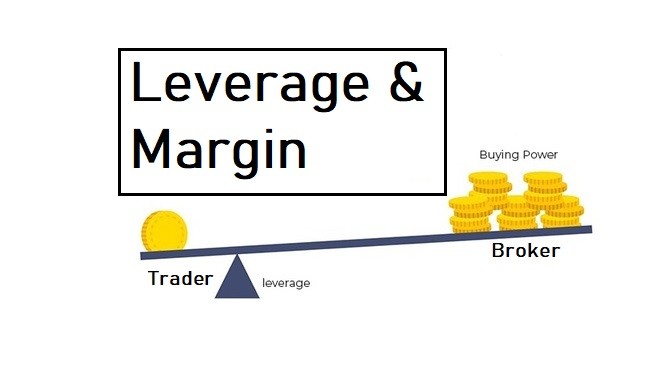
Leverage and Margin Availability
Leverage can amplify profits—but it can also amplify losses. Forex typically offers high leverage, which is both an advantage and a risk.
Beginners should treat leverage carefully. Even if high leverage is available, using lower effective leverage protects capital.
Understanding margin requirements early helps prevent common beginner mistakes.
Comparison Table of the Best Markets for Beginners
| Market | Minimum Capital | Volatility Level | Trading Hours | Complexity | Beginner Friendly |
| Forex | Low | Moderate | 24/5 | Medium | High |
| Stock Indices | Medium | Moderate | Fixed | Medium | High |
| Individual Stocks | Medium | Moderate | Fixed | Medium | Moderate |
| Crypto | Low | High | 24/7 | Medium | Moderate/Low |
| Futures | High | High | Fixed | High | Low |
This comparison highlights why Forex and indices are often considered the Best market for beginners.
Best Market Based on Your Trading Goals
Best Market for Small Capital
Forex stands out because of micro-lot trading. You can start small and scale gradually.
Crypto also allows small entry amounts, but volatility increases risk exposure.
To better manage your digital assets and track performance efficiently, tools like /Best Crypto Wallet Trackers for 2026 can be extremely helpful for beginners entering the crypto market.
Best Market for Learning Technical Analysis
Forex and Indexes have a lot of good characteristics such as clear patterns on charts and lots of liquidity to allow new traders to learn about support/resistance lines, and trends. When trading in a less liquid type of market, traders can see prices moving unpredictably and are much more difficult to read charts properly.
Best Market for Low Risk
Major stock indices or large-cap stocks tend to move more steadily compared to crypto or exotic currency pairs.
Risk also depends on leverage usage, not just market choice.
Best Market for Part-Time Traders
Forex is often ideal because you can trade during different global sessions. If you live outside major financial hubs, this flexibility is valuable.
Common Mistakes Beginners Make When Choosing a Market
Over-Leveraging
Beginners often use maximum leverage without understanding risk. This can lead to rapid account losses.
Leverage should be viewed as a tool, not a shortcut.
Choosing a Market Based on Hype
Many beginners enter crypto or volatile assets because they see dramatic profit stories online.
Hype does not equal suitability. Stability and structure matter more during the learning phase.
Ignoring Trading Costs (Spread & Slippage)
Costs affect profitability. Even small spreads accumulate over time.
Understanding transaction costs helps protect your account from hidden erosion.
How to Start Trading as a Beginner (Step-by-Step)
Open a Demo Account First
Before risking real money, practice in a demo environment. This allows you to test strategies and learn platform mechanics.
Choose the Right Broker
Broker quality impacts execution, spreads, and tools. Look for reliable platforms such as metatrader5 account options offered by reputable brokers like otetmarkets.
A good broker provides educational resources and stable infrastructure.
Start With Small Position Sizes
Begin using live accounts to trade small so that you can focus on consistent rather than short-term profits.
The consistent formation of discipline during this step will help establish some successful long-term trading.
Is Forex the Best Market for Beginners?
The accessibility, liquidity, and flexibility of the forex market make it a popular choice for novice traders. This is because it offers opportunities for new traders to learn fundamental concepts such as: Risk Management, Trend Analysis and Position Sizing.
As with another market, you will also need to educate yourself on how to use the forex market. Therefore, you should understand how the forex market works and what it is before you can successfully trade in real time.
Conclusion
Choosing the best market to trade as a beginner is less about chasing opportunity and more about creating a stable learning environment. Forex and major stock indices often provide the right balance between accessibility, liquidity, and manageable volatility.
The goal in your first year of trading should not be massive profits. It should be skill development, discipline, and understanding risk. When you build those foundations, any market becomes easier to approach.
Take your time. Start small. Focus on consistency. The market will always be there—but your capital and confidence are worth protecting.
FAQ
Which market is the easiest for beginners?
Forex and major stock indices are generally considered the easiest due to liquidity, structure, and educational availability.
What is the safest market for new traders?
While no market is truly “safe” from movement, larger market cap stocks and some of the larger, more established FX pairs will generally be much more stable than the small, volatile stocks
Is crypto too risky for beginners?
The Crypto Market can be much more volatile relative to traditional security markets; therefore, new traders will want to proceed with caution, utilize strict risk management techniques, and use reputable sources of advice before entering this space.
If you are interested in digital currencies, please consider using an online tool such as the “Best Cryptocurrency Wallet Trackers for 2026” to assist you in effectively managing your digital currency wallets.
Share
Hot topics

STP, NDD, ECN and DMA: Broker Execution Models Decoded
When picking a forex broker, we don’t just look at the brokerage that has the lowest spreads, bonuses, and other kind of what is apparent for us. There is one...
Read more


Submit comment
Your email address will not be published. Required fields are marked *