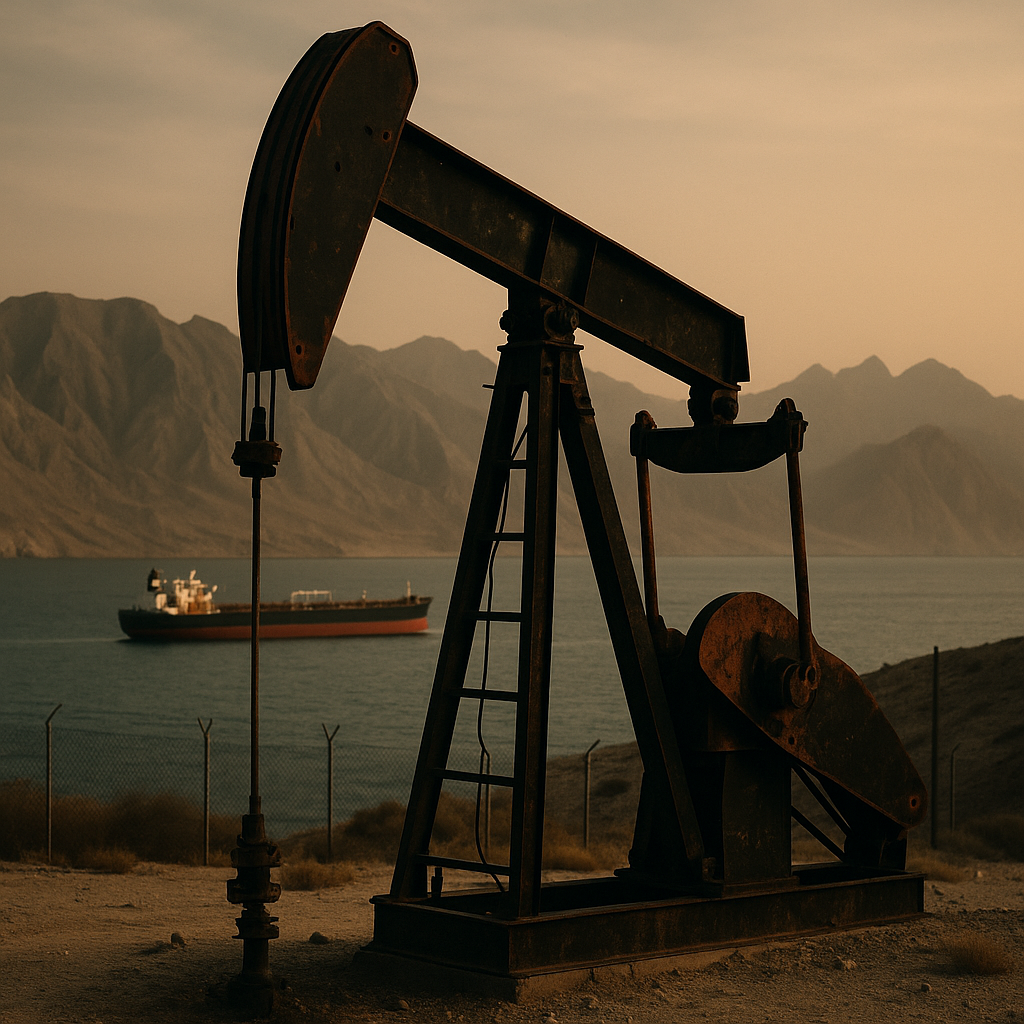
Oil Prices Rebound in Asia as Markets Weigh U.S.-Iran Peace Prospects
Oil Prices Recover After Heavy Weekly Losses
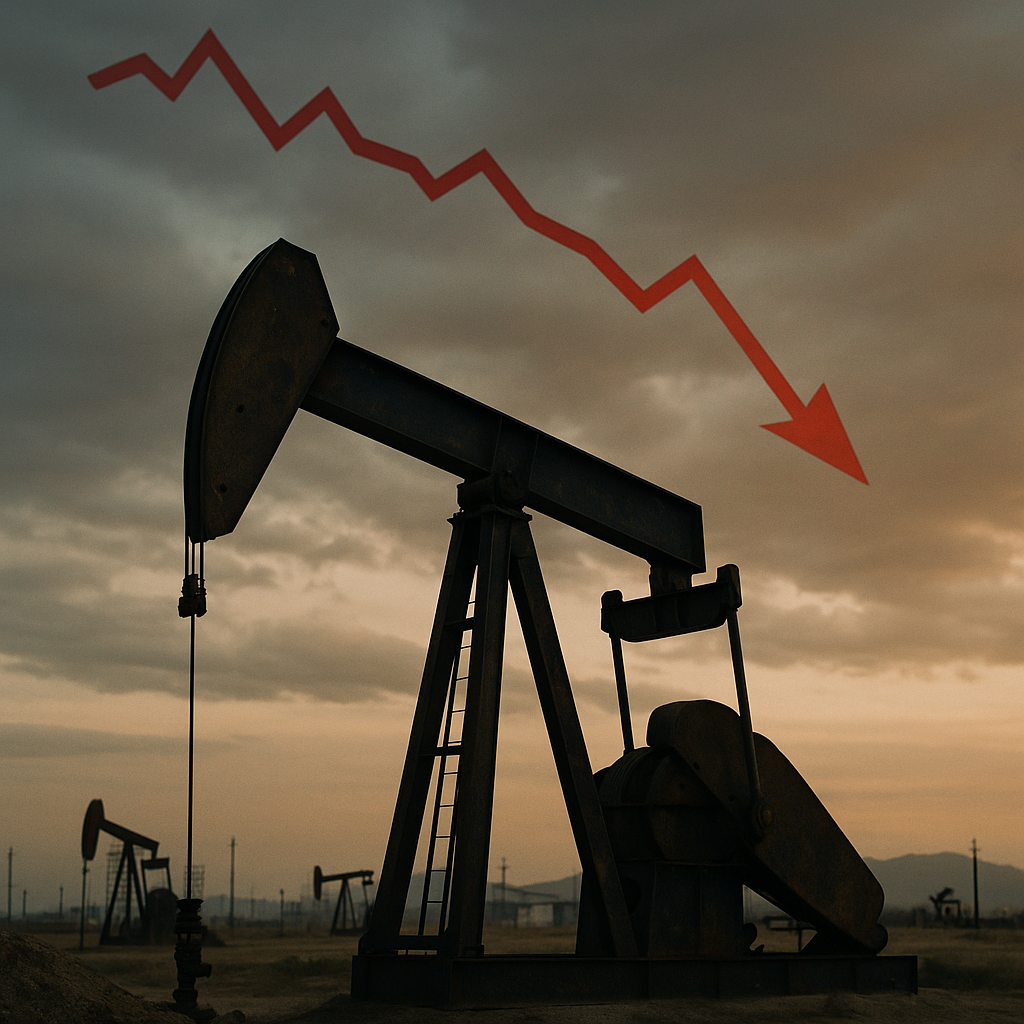
Brent oil futures for July gained 1.5% to $104.12 a barrel by 00:11 ET (04:11 GMT) on Friday, while West Texas Intermediate (WTI) crude futures rose 1% to $93.84 a barrel. These moves marked a rebound from earlier declines, with both Brent and WTI futures down between 4% and 7% for the week.
The weekly losses followed a series of upbeat comments from U.S. officials regarding peace talks with Iran. Market sentiment was influenced by expectations that progress toward a peace deal could eventually ease tensions and reduce war-related supply risks.
Earlier in the week, U.S. President Donald Trump said he had postponed a planned military attack on Iran and indicated progress in talks, remarks that weighed on oil prices as markets anticipated a possible end to the Iran war. Trump later stated that the war was in its final stages, while Iran said it was reviewing the latest U.S. position on a peace agreement.
Negotiation Uncertainty and Hormuz Disruptions Support Prices
Reports on Thursday suggested that the U.S. and Iran had reached a final draft for a peace agreement, though neither side confirmed this. At the same time, substantial uncertainties remained, particularly over Iran’s uranium stockpile and its plans to control traffic through the Strait of Hormuz.
Oil flows through the Strait of Hormuz remained scant, keeping global supplies under pressure. Disruptions in Hormuz were estimated to have knocked out roughly 20% of the world’s supplies, leaving prices still up between 50% and 70% this week despite the recent pullback. Iran was also reported to be preparing measures to collect tolls for transit through the strait, a proposal U.S. officials have largely rejected.
Trump reiterated on Thursday the U.S. position that Iran’s uranium stockpile should be seized, arguing that Iran could not be allowed to have a nuclear weapon. He also said he was prepared to order strikes against Iran if negotiations failed to produce progress.
Asian markets were described as especially affected by the Hormuz outage, while the United States was seen ramping up exports to help address the supply gap. Earlier in the week, Washington extended a sanctions waiver on seaborne Russian oil in a bid to ease supply disruptions.
FAQ
Why did oil prices rise in Asian trade on Friday?
Oil prices rose as traders bought back crude after recent losses, with markets balancing optimism over U.S.-Iran peace talks against ongoing supply disruptions through the Strait of Hormuz.
How much did Brent and WTI futures move on Friday?
By 00:11 ET (04:11 GMT), July Brent futures were up 1.5% at $104.12 a barrel, while WTI crude futures rose 1% to $93.84 a barrel.
What role is the Strait of Hormuz playing in current oil prices?
Scant oil flows through the Strait of Hormuz have constrained global supply, contributing to overall price strength even as peace talk optimism has pressured the market during the week.
How are U.S. policy actions affecting oil supply?
The United States has ramped up exports to help fill a supply gap and extended a sanctions waiver on seaborne Russian oil to ease disruptions linked to reduced flows through the Strait of Hormuz.
Share
Hot topics

STP, NDD, ECN and DMA: Broker Execution Models Decoded
When picking a forex broker, we don’t just look at the brokerage that has the lowest spreads, bonuses, and other kind of what is apparent for us. There is one...
Read more


Submit comment
Your email address will not be published. Required fields are marked *