
Oil rises as Iran tensions and Hormuz closure tighten supply outlook
Brent oil futures for July increased 1.8% to a two-week high of $111.20 a barrel by 23:45 ET (03:45 GMT), while West Texas Intermediate (WTI) crude futures rose 2.2% to $103.21 a barrel. Market sentiment was driven by heightened regional conflict risks, the prolonged shutdown of a key maritime chokepoint, and shifting sanctions policies on Russian oil.
Escalating tensions around Iran and UAE
The United Arab Emirates reported drone strikes on Sunday that caused a fire near the Barakah nuclear power plant, although the main facility was not directly damaged. The UAE attributed the incident to Iran or its proxies, describing it as a “dangerous escalation.”
The attack followed earlier drone and missile strikes on the UAE from Iran earlier in the month, amid broader military tensions in the Middle East, particularly around the Strait of Hormuz. U.S. President Donald Trump stated that the “clock is ticking” for Iran to accept a deal, and reports indicated active U.S.-Israel discussions on potential additional military operations against Tehran.
Trump previously warned that a U.S.-Iran ceasefire was on “massive life support,” with negotiations for a peace agreement yielding limited progress. A U.S.-China summit held last week produced few concrete developments on Iran. Trump said China had agreed to buy American oil, but it remained unclear whether any formal agreement had been signed.
Supply disruptions from Hormuz closure and Russian sanctions shift
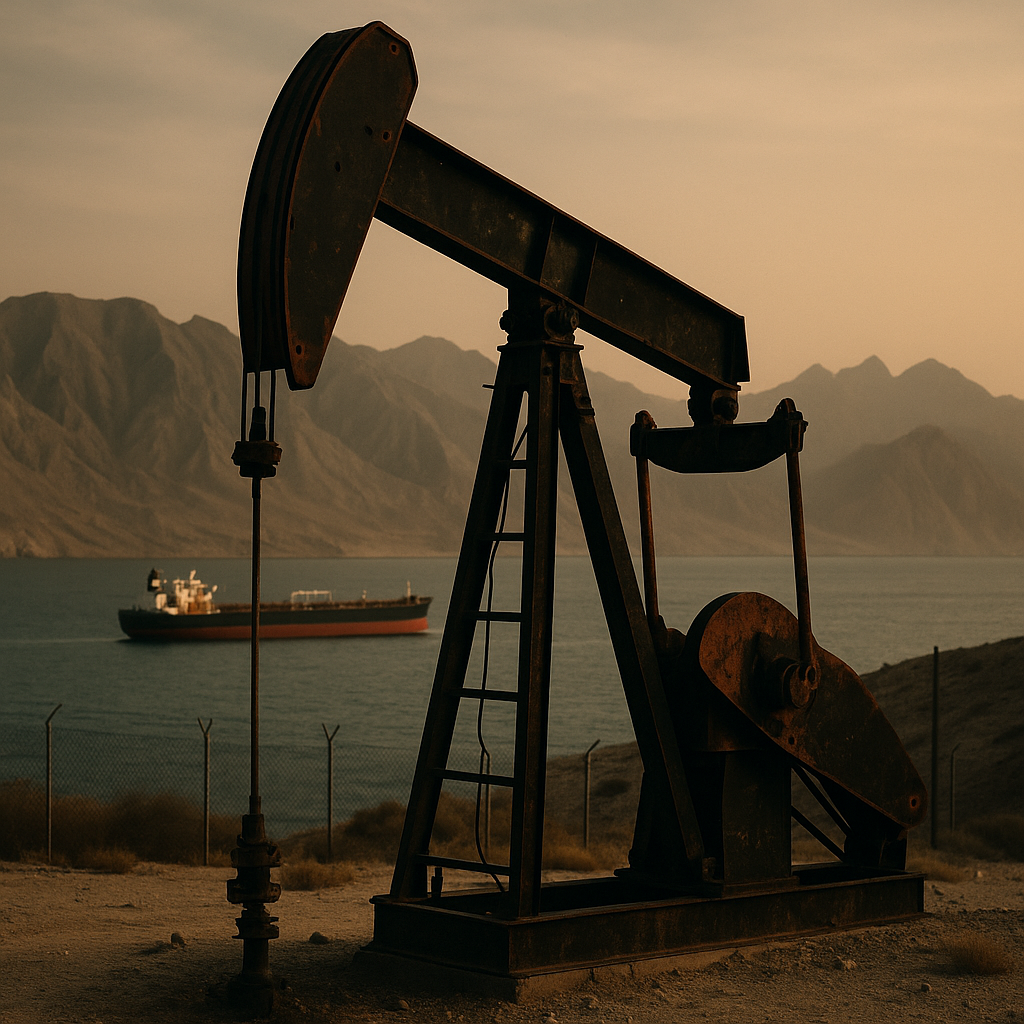
The Strait of Hormuz remained closed after Iran blocked the waterway in late February, significantly curtailing crude shipments to Asia. This ongoing disruption has supported higher oil prices by limiting access to supplies. The closure has affected roughly 20% of the world’s oil supply, and shipping data indicated that traffic through the strait was still at a fraction of pre-war levels.
Further tightening the supply outlook, the United States allowed a sanctions waiver on Russian oil to lapse over the weekend. The waiver had enabled countries to continue purchasing Russian seaborne crude; its expiration is expected to compel major importers, notably India, to seek alternative sources. Combined with the persistent constraints at Hormuz and regional security risks, these developments are contributing to a more constrained global oil market.
FAQ
What were the latest moves in Brent and WTI prices?
Brent futures for July rose 1.8% to $111.20 a barrel, reaching a two-week high, while WTI crude futures increased 2.2% to $103.21 a barrel by 23:45 ET (03:45 GMT).
How is the Strait of Hormuz affecting global oil supply?
The Strait of Hormuz remains closed after being blocked by Iran in late February, disrupting roughly 20% of the world’s oil supply and cutting shipping traffic to a fraction of pre-war levels.
What happened at the Barakah nuclear plant in the UAE?
Drone strikes on Sunday caused a fire near the Barakah nuclear plant, without direct damage to the main facility. The UAE blamed Iran or its proxies and called the incident a “dangerous escalation.”
What change occurred regarding Russian oil sanctions?
The United States allowed a sanctions waiver on Russian seaborne oil to lapse over the weekend, meaning countries that relied on the waiver, especially India, will need to find new crude supply sources.
Share
Hot topics

STP, NDD, ECN and DMA: Broker Execution Models Decoded
When picking a forex broker, we don’t just look at the brokerage that has the lowest spreads, bonuses, and other kind of what is apparent for us. There is one...
Read more

Submit comment
Your email address will not be published. Required fields are marked *