Asian Stocks Decline as Oil Hits Four-Year High and Fed Signals Caution
Asian Markets React to Oil Surge and Fed Outlook
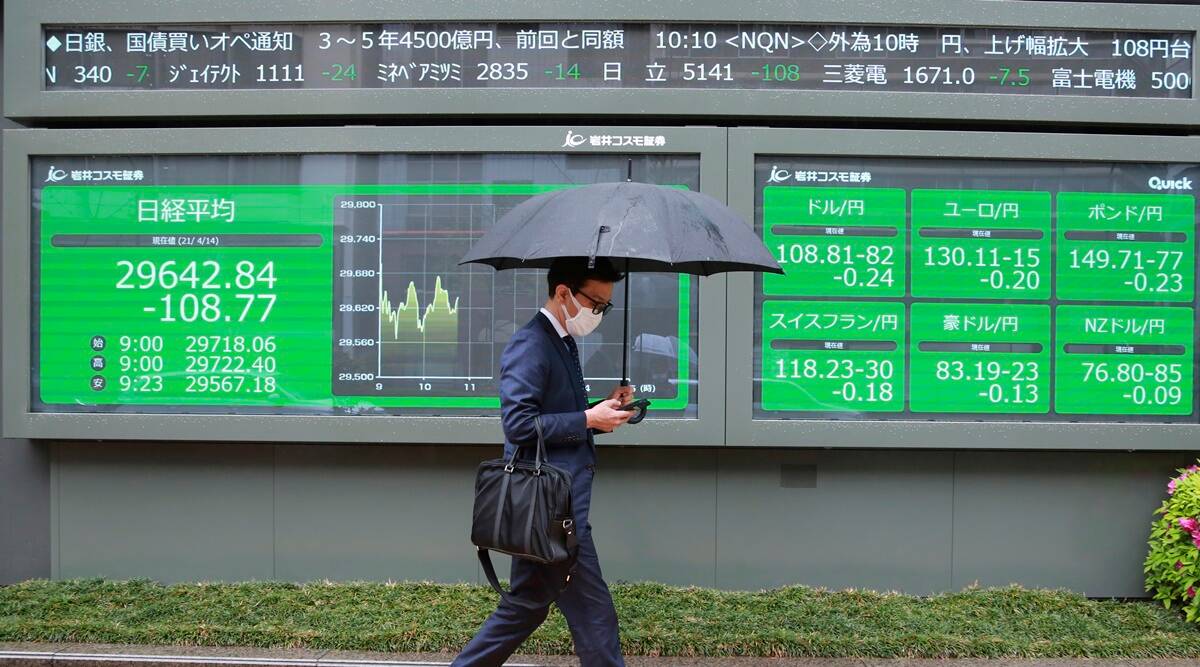
Asian stock markets traded lower on Thursday. The Nikkei declined 1.3%, and Hong Kong's Hang Seng Index (HSI) dropped 1.19%, while Shanghai’s benchmark index edged up 0.16%. The moves followed a subdued U.S. session, where Wall Street ended little changed, although futures tied to tech-heavy benchmarks rose during Asian trading.
Investors weighed a combination of mixed corporate earnings, energy market volatility, and the latest policy signals from the Federal Reserve. The Fed kept interest rates steady and registered the highest level of internal dissent since 1992, with four officials dissenting. The policy stance contributed to a firm U.S. dollar, while the yen weakened past 160, with market participants also responding to rising geopolitical risks.
Oil Prices Spike on Geopolitical Tensions
Oil prices advanced sharply, with Brent oil futures for June jumping 6.8% to $126.0 a barrel. This level marked the highest price since March 2022, during the onset of the Russia-Ukraine crisis. The latest increase followed a report indicating that U.S. President Donald Trump was considering new military options against Iran.
The conflict involving Iran entered its third consecutive month on Thursday. Flows through the Strait of Hormuz remained scant after Iran blocked the channel during the onset of the war, adding to concerns about supply disruptions. The escalation in oil prices contributed to risk aversion in regional equity markets and reinforced focus on inflation and monetary policy trajectories.
FAQ
What drove Asian stock markets lower on Thursday?
Asian stocks fell as investors assessed a sharp jump in oil prices, mixed corporate earnings, and a cautious policy outlook from the Federal Reserve.
How high did Brent oil futures rise?
Brent oil futures for June rose 6.8% to $126.0 a barrel, the highest level since March 2022.
What did the Federal Reserve decide on interest rates?
The Federal Reserve held interest rates steady and recorded the highest level of internal dissent since 1992, with four officials dissenting.
How did major Asian indices perform?
The Nikkei fell 1.3%, Hong Kong's HSI dropped 1.19%, and Shanghai’s index gained 0.16%.
Share
Hot topics

STP, NDD, ECN and DMA: Broker Execution Models Decoded
When picking a forex broker, we don’t just look at the brokerage that has the lowest spreads, bonuses, and other kind of what is apparent for us. There is one...
Read more



Submit comment
Your email address will not be published. Required fields are marked *