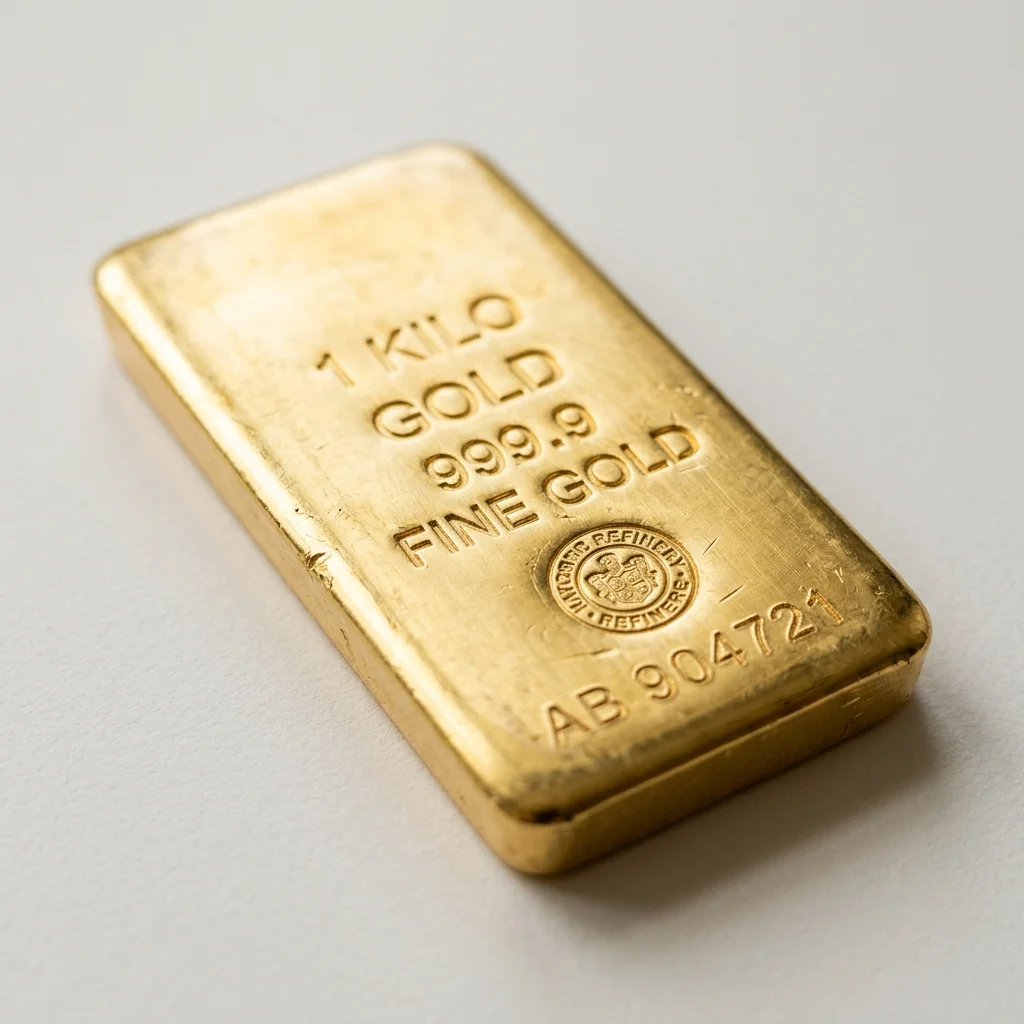
Gold Price Drops Below $4,000 Again: What Is Driving the Latest Sell-Off?
Gold prices fell below the psychological $4,000 mark on Thursday, 12 November 2026, extending their recent decline to the lowest level in more than a week. Stronger-than-expected US inflation data, a rising US dollar and growing expectations of further Federal Reserve interest rate hikes have emerged as the main factors weighing on the precious metal.
According to Reuters, spot gold declined by 0.2% to $3,977.99 per ounce during Thursday’s morning session. Meanwhile, US gold futures for December delivery fell by 0.4% to approximately $3,983.20.
The latest gold price drop follows several sessions of selling pressure as investors reassess the outlook for US monetary policy. With gold trading below a key psychological level, traders are increasingly focused on whether prices can recover above $4,000 or whether further downside pressure is likely.
Why Are Gold Prices Falling?
The primary driver behind the recent decline in gold prices is a shift in market expectations regarding the future direction of US interest rates.
Fresh inflation data suggests that price pressures across the US economy remain elevated, potentially forcing the Federal Reserve to maintain a more restrictive monetary policy stance.
According to the US Bureau of Labor Statistics, the Consumer Price Index (CPI) increased by 0.4% month-on-month in October 2026, exceeding economists’ expectations of a 0.3% rise. This followed a 0.6% monthly increase in September.
Core inflation, which excludes volatile food and energy prices, also increased by 0.3% in October. Although headline monthly inflation slowed compared with September, the latest figures indicate that inflationary pressures remain a concern for US policymakers.
Following the release, market expectations for another Federal Reserve interest rate increase in December strengthened. This shift supported the US dollar while reducing the appeal of non-yielding assets such as gold.
How Is the Stronger US Dollar Affecting Gold Prices?
Alongside the latest US inflation figures, the US Dollar Index (DXY), which measures the dollar’s performance against a basket of major global currencies, climbed to its highest level in 19 months.
A stronger dollar typically creates downward pressure on gold prices because the precious metal is priced in US dollars in international markets.
When the dollar appreciates, gold becomes more expensive for investors holding other currencies, potentially reducing global demand.
Higher interest rates can also increase the attractiveness of US dollar-denominated assets, particularly US Treasury bonds.
Unlike bonds, gold does not generate regular interest payments. As a result, rising interest rates and higher Treasury yields can increase the opportunity cost of holding gold.
However, the relationship between gold and the US dollar is not always straightforward.
Geopolitical tensions, central bank purchases and concerns about global economic stability can also influence demand for the precious metal.
Nevertheless, in the current market environment, interest rate expectations and movements in the US dollar remain among the most important drivers of gold price fluctuations.
Will the Federal Reserve Raise Interest Rates in December?
The release of October’s US inflation report has prompted financial markets to reassess the possibility of another interest rate increase at the Federal Reserve’s upcoming December meeting.
Hawkish comments from several Federal Reserve officials have added to these expectations, while traders have also considered the possibility of a more aggressive move, including a potential 50-basis-point rate increase.
According to recent market reports, interest rate futures were pricing in a December increase, with the possibility of another hike in March 2027 also attracting attention.
However, market expectations do not guarantee that the Federal Reserve will raise rates.
Policymakers will continue to assess a broad range of economic indicators, including inflation, employment conditions, economic growth and financial market stability, before making their next decision.
If upcoming economic releases continue to indicate persistent inflationary pressures, expectations of tighter monetary policy could strengthen further.
Such an environment may limit gold’s ability to stage a sustained recovery in the near term.
Conversely, weaker economic data or signs of easing inflation could reduce expectations of additional rate hikes, potentially offering some support to gold prices.
Why Is the $4,000 Level Important for Gold Traders?
One of the most significant developments in recent trading sessions has been gold’s move below the psychological $4,000 threshold.
Round-number price levels often attract considerable attention from traders and can influence short-term market sentiment, particularly when they coincide with areas of previous buying or selling activity.
Gold briefly climbed towards $4,066 during Wednesday’s session but failed to sustain its gains as selling pressure returned. Prices subsequently moved below $4,000 during Thursday’s trading.
For XAU/USD traders, the market’s reaction around this level could provide important clues about the next directional move.
If gold manages to recover and establish a sustained position above $4,000, selling pressure may begin to ease, potentially opening the door to a short-term bullish correction.
On the other hand, failure to reclaim this level, combined with the continued formation of lower highs, could indicate that sellers remain in control.
However, traders should assess price structure across multiple timeframes, trading volume and reactions to upcoming economic data before drawing conclusions about the broader trend.
A move back above a psychological price level alone does not necessarily confirm a bullish trend reversal.
US PPI Data: The Next Major Event for Gold Markets
Attention is now shifting towards the upcoming release of the US Producer Price Index (PPI), scheduled for Friday, 13 November 2026.
The report could provide further insight into inflationary pressures across the US economy and influence expectations regarding the Federal Reserve’s next monetary policy decision.
The PPI measures changes in the prices received by domestic producers for goods and services. It is closely monitored by financial markets because producer-level price movements can offer useful signals about broader inflation trends.
If the PPI reading exceeds market expectations, investors may increase their expectations of additional Federal Reserve interest rate hikes.
Under this scenario, rising US Treasury yields and renewed demand for the dollar could place further downward pressure on gold prices.
Alternatively, weaker-than-expected PPI figures could ease some inflation concerns and potentially contribute to a pullback in the US dollar, providing an opportunity for gold prices to recover.
For gold traders, the key consideration will not simply be whether the PPI rises or falls, but how the actual figures compare with market forecasts.
Monitoring the immediate reaction of the US Dollar Index, Treasury yields and XAU/USD could help traders better understand the market’s interpretation of the data.
With gold already trading below $4,000, the upcoming inflation release may play an important role in determining whether the precious metal extends its recent decline or attempts a short-term recovery.
Share
Hot topics

STP, NDD, ECN and DMA: Broker Execution Models Decoded
When picking a forex broker, we don’t just look at the brokerage that has the lowest spreads, bonuses, and other kind of what is apparent for us. There is one...
Read more




Submit comment
Your email address will not be published. Required fields are marked *