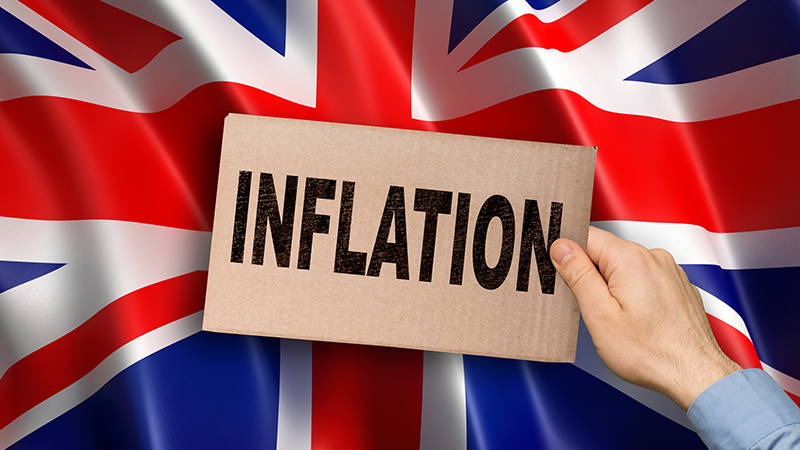
U.K. inflation holds at 2.8% in May as transport costs rise
Inflation steady but pressures from transport intensify
The U.K.’s Office for National Statistics (ONS) reported that the annual inflation rate held at 2.8% in May. Economists polled by Reuters had anticipated a rise to 3%, following April’s fall to 2.8%. That earlier decline was attributed to a change in the U.K.’s regulated energy price cap and had been viewed as temporary.
Transport was the biggest contributor to higher prices in May. The ONS highlighted a 10.3% month‑on‑month increase in air fares, alongside higher costs for motor fuel and sea fares. Analysts said the timing of the Easter holiday this year may have played a role in pushing fares higher.
Food and non-alcoholic drink prices fell over the month, partially offsetting the upward pressure from transport. Nonetheless, the current energy framework is set to become more inflationary later this summer, when the regulated price cap is due to rise by 13%, taking energy costs to their highest level in two years.
Energy dynamics and interest rate expectations
Gasoline prices also contributed to inflationary pressure. Between April and May, the average price of gasoline rose by 0.6 pence (0.8 U.S. cents) per liter, compared with a 2.1 pence decline over the same period a year earlier. Average gasoline prices reached their highest level since November 2022, when energy prices had spiked following Russia’s full-scale invasion of Ukraine.
At its most recent meeting, the Bank of England’s Monetary Policy Committee (MPC) voted to keep its key interest rate at 3.75%. Policymakers stated that “monetary policy cannot influence energy prices,” referring to the impact of the U.S.-Iran war, which has kept oil and gas prices elevated for months amid the closure of the Strait of Hormuz.
Market pricing suggests a 95% probability that the Bank of England will leave rates unchanged at its next meeting on Thursday, according to LSEG data. However, traders expect the central bank to increase interest rates by the end of this year.
FAQ
What was the U.K. inflation rate in May and how did it compare with forecasts?
Answer: The annual inflation rate was 2.8% in May, unchanged from April and below the 3% forecast by economists polled by Reuters.
Which sectors contributed most to inflation in May?
Answer: Transport was the biggest contributor, driven by higher air fares, motor fuel, and sea fares, while falling food and non-alcoholic drink prices partially offset these increases.
What is happening to U.K. energy prices?
Answer: The U.K.’s regulated energy price cap is scheduled to rise by 13% later this summer, which will push energy costs to a two-year high.
What are markets expecting from the Bank of England?
Answer: Markets, based on LSEG data, are pricing in a 95% chance that the Bank of England will hold its key interest rate at 3.75% at its next meeting, with expectations of a rate hike by the end of the year.
Share
Hot topics

STP, NDD, ECN and DMA: Broker Execution Models Decoded
When picking a forex broker, we don’t just look at the brokerage that has the lowest spreads, bonuses, and other kind of what is apparent for us. There is one...
Read more


Submit comment
Your email address will not be published. Required fields are marked *