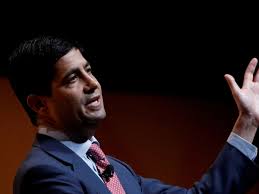
Fed Minutes Show Majority Ready to Hike if Iran War Keeps Inflation Elevated
Heightened Disagreement Over Policy Direction
At the meeting, the FOMC voted to keep its benchmark federal funds rate target unchanged at 3.5%-3.75%. However, there were four “no” votes, the most since 1992, signaling an elevated level of disagreement about the appropriate policy path.
Three of the four dissenters were regional Federal Reserve Bank presidents who supported holding rates steady but objected to language in the post-meeting statement that implied an easing bias. That language, referring to potential “additional adjustments” to rates, is widely interpreted as suggesting that the next move would more likely be a cut.
According to the minutes, “many participants indicated that they would have preferred removing the language from the post-meeting statement that suggested an easing bias regarding the likely direction of the Committee’s future interest rate decisions.” In Fed terminology, “many” does not constitute a majority, so the language remained.
Iran War, Inflation Risks, and Leadership Transition
Officials focused closely on the economic implications of the Iran war, particularly its effect on inflation through higher energy prices. The minutes stated that officials broadly agreed the conflict would have “significant implications” for the Fed’s dual mandate of maximum employment and stable prices, though they differed on how long the war’s impact on inflation would last.
“The vast majority of participants noted an increased risk that inflation would take longer to return to the Committee’s 2 percent objective than they had previously expected.” While several officials said rate cuts could be appropriate once inflation is clearly moving back to 2% or if the labor market weakens, “a majority of participants highlighted…that some policy firming would likely become appropriate if inflation were to continue to run persistently above 2 percent.”
Inflation had been trending toward 2% through 2025 and into early this year, but the Iran war and associated energy price surge have pushed most inflation measures above 3%. Core inflation, excluding food and energy, has also been rising. Goldman Sachs expects the Fed’s main inflation gauge to show a 3.3% annual rate in April.
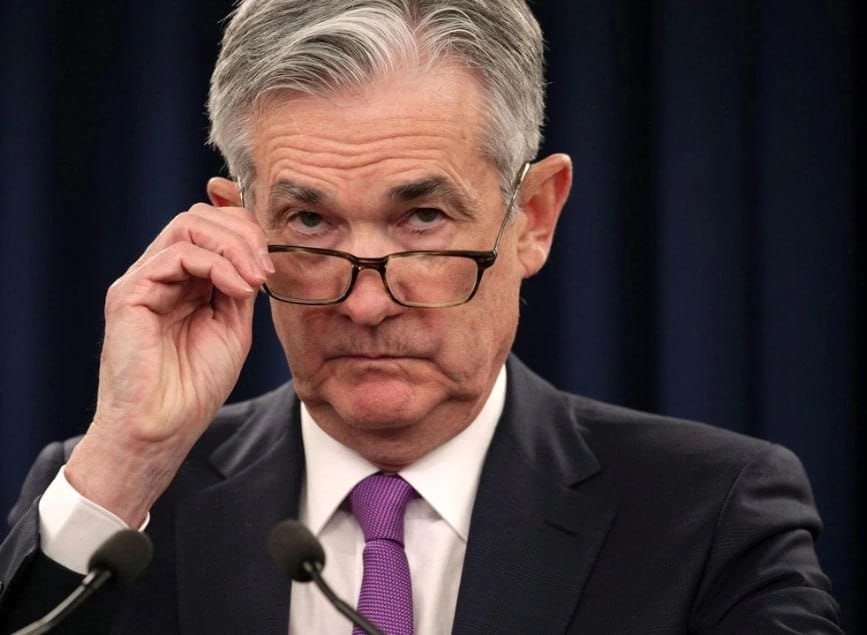
The meeting took place as Jerome Powell chaired the FOMC for the final time. Former Governor Kevin Warsh has been appointed chair by President Donald Trump after a process involving as many as 11 candidates. Trump has been explicit that he expects rate cuts, while market pricing points to a higher probability of a rate hike by late 2026 or early 2027. Warsh faces the challenge of persuading colleagues that productivity gains, particularly from artificial intelligence, will have a disinflationary effect that could offset higher energy costs.
Powell will remain on the Board of Governors, with two years left on his term, stating he will stay “for a period of time to be determined” and at least until an ongoing investigation is “well and truly over.” No former Fed chair has remained on the board in nearly 80 years.
FAQ
What did the Fed decide on interest rates at the latest meeting?
The FOMC voted to keep the federal funds rate target unchanged at 3.5%-3.75%.
How did the Iran war factor into the Fed’s discussions?
Officials viewed the Iran war as having “significant implications” for inflation, mainly through higher energy prices, and noted an increased risk that inflation would take longer to return to the 2% target.
Why were there four dissenting votes?
Three regional presidents and one other official opposed the inclusion of language suggesting an easing bias, preferring to keep options open for future rate increases amid elevated inflation risks.
What leadership change is occurring at the Fed?
Jerome Powell chaired the committee for the last time at this meeting. Former Governor Kevin Warsh is taking over as chair, while Powell will remain on the Board of Governors.
Share
Hot topics

STP, NDD, ECN and DMA: Broker Execution Models Decoded
When picking a forex broker, we don’t just look at the brokerage that has the lowest spreads, bonuses, and other kind of what is apparent for us. There is one...
Read more


Submit comment
Your email address will not be published. Required fields are marked *