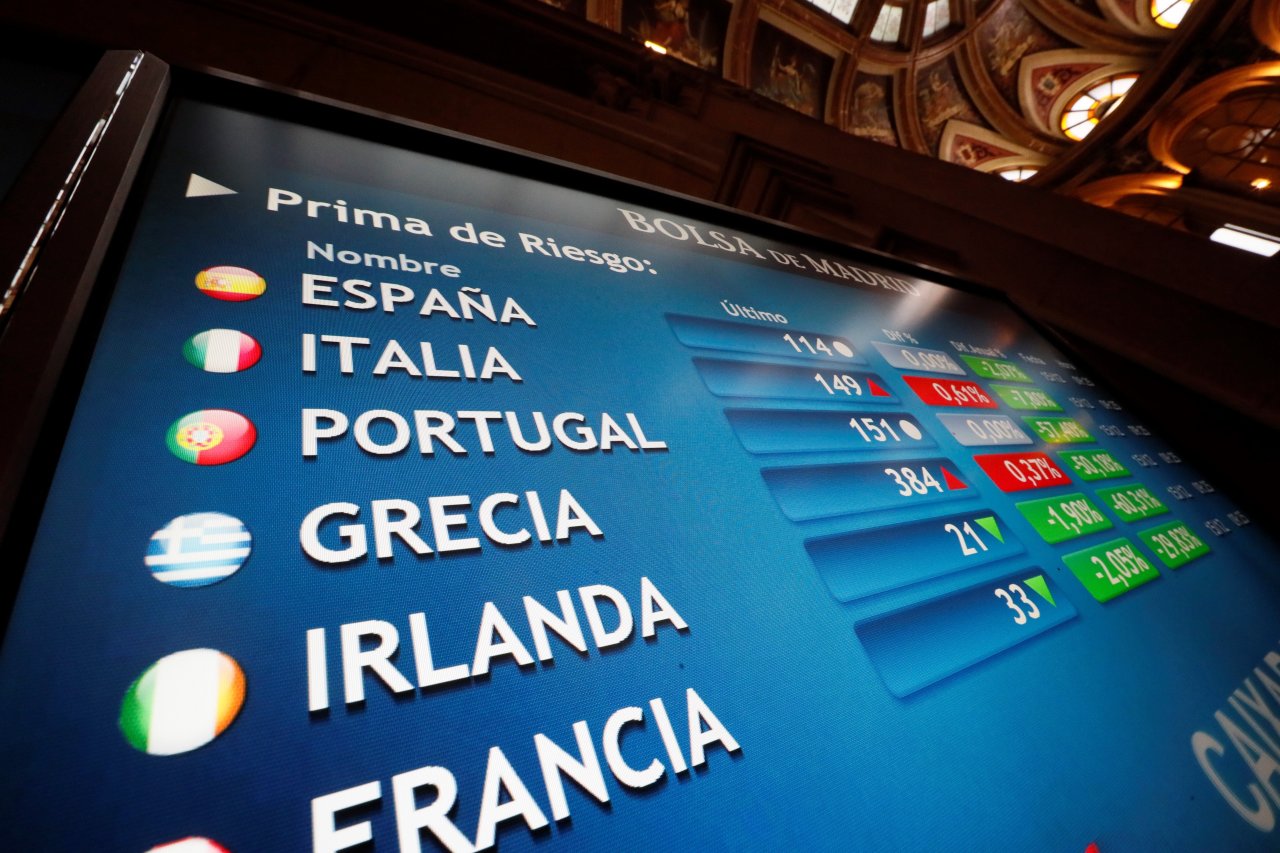
European stocks retreat as tech sell-off, hot US inflation and Gulf tensions hit sentiment
European indices reverse from record highs
The pan-European STOXX 600 index opened 0.4% lower, retreating after a record close that had been supported by strong earnings from U.S. chipmakers Micron and Qualcomm. France's CAC 40 declined 0.2%, London's FTSE 100 fell 0.4%, and Germany's DAX dropped 0.7%.
The reversal followed a sharp deterioration in risk appetite that erased the prior session’s optimism. Investors moved out of cyclical and growth exposures amid concerns over technology demand, tighter monetary policy, and rising geopolitical uncertainty.
Tech sector pressured by IPO delay and price hikes
Technology shares were at the centre of the sell-off after reports that OpenAI is leaning toward delaying its highly anticipated initial public offering until 2027. The development raised questions about public market appetite for high-valuation AI-related stocks and prompted a reassessment of the sector’s near-term outlook.
European semiconductor names were among the weakest performers, with ASML, ASMI, Infineon and STMicroelectronics leading declines. At the same time, Apple’s plans to implement price increases across its MacBook and iPad product lines intensified worries that higher prices could slow consumer spending on discretionary technology products. Market participants cited the risk that elevated price points might dampen demand and disrupt supply-chain planning as manufacturers adjust production to potentially lower volume growth.
U.S. inflation and Gulf tensions deepen risk-off move
Adding to the negative tone, fresh data showed U.S. inflation crossing the 4% mark for the first time in three years. The stronger-than-expected reading reinforced a hawkish narrative around the Federal Reserve’s policy path. According to the CME FedWatch Tool, traders quickly repriced expectations, assigning a 64% probability to a 25-basis-point interest rate increase in September.
Geopolitical risk further pressured sentiment after reports that a commercial oil tanker was attacked in the Strait of Hormuz, a key global energy chokepoint. The combination of escalating energy concerns, expectations of more aggressive U.S. monetary tightening, and uncertainty over technology demand pushed European investors toward defensive sectors and cash, contributing to broad-based market weakness.
FAQ
How did major European indices perform?
The STOXX 600 opened 0.4% lower, France's CAC 40 fell 0.2%, the FTSE 100 declined 0.4%, and Germany's DAX dropped 0.7%.
Why were technology stocks under pressure?
Reports that OpenAI may delay its IPO until 2027 raised doubts about demand for high-growth AI names, while Apple’s planned MacBook and iPad price hikes fueled concerns about weaker consumer tech demand and supply-chain disruptions.
How did U.S. inflation data affect rate expectations?
With U.S. inflation rising above 4% for the first time in three years, traders using the CME FedWatch Tool increased the implied probability of a 25-basis-point Federal Reserve rate hike in September to 64%.
What geopolitical development influenced markets?
Reports of an attack on a commercial oil tanker in the Strait of Hormuz heightened energy and geopolitical risk, reinforcing the shift toward defensive positioning in European markets.
Share
Hot topics

STP, NDD, ECN and DMA: Broker Execution Models Decoded
When picking a forex broker, we don’t just look at the brokerage that has the lowest spreads, bonuses, and other kind of what is apparent for us. There is one...
Read more



Submit comment
Your email address will not be published. Required fields are marked *