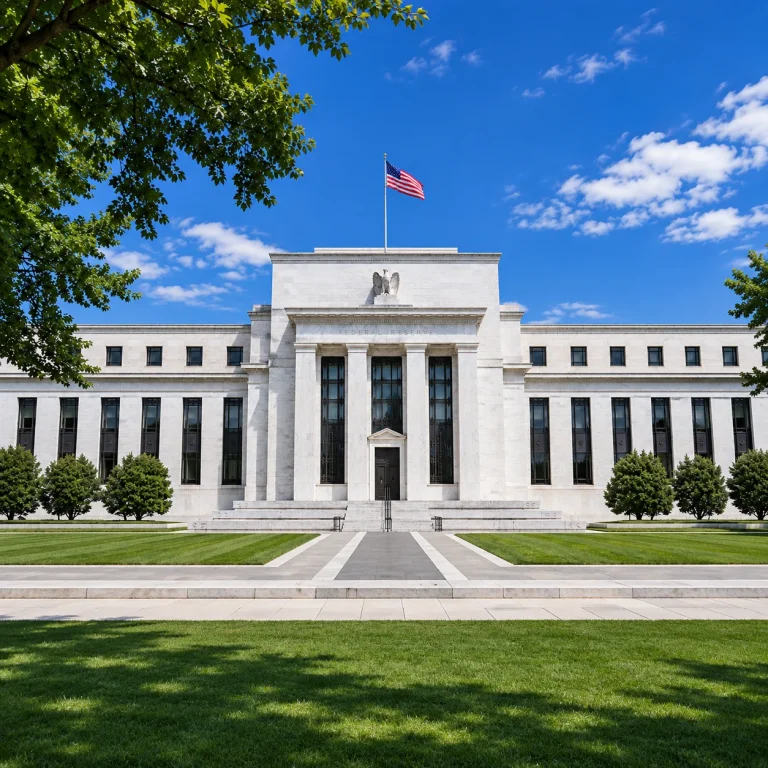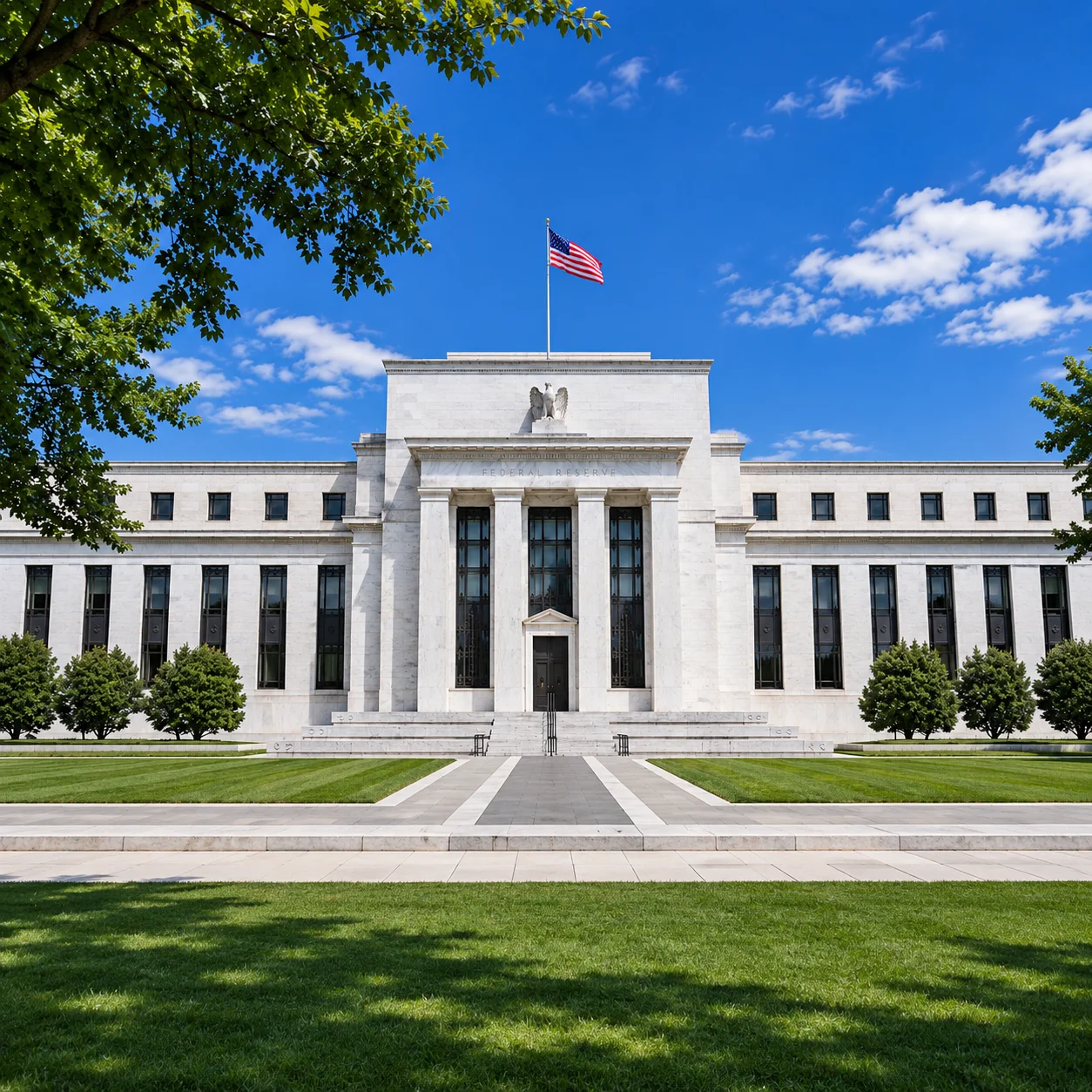
Global financial markets are trading cautiously on Wednesday as investors prepare for the release of the latest US inflation figures. The Personal Consumption Expenditures (PCE) Price Index, one of the Federal Reserve’s preferred inflation measures, could influence expectations for the future path of US interest rates.
Ahead of the release, gold is hovering around $3,550 following its recent decline, while the US dollar continues to receive support from expectations of restrictive Federal Reserve monetary policy.
Why Does the US PCE Inflation Report Matter?
The PCE Price Index measures changes in the prices of goods and services purchased by consumers in the United States and plays a significant role in the Federal Reserve’s assessment of inflation.
Wednesday’s report covers October 2026 and is scheduled for release at 8:30 a.m. Eastern Time, or 13:30 GMT.
Market attention will focus particularly on the core PCE Price Index, which excludes volatile food and energy prices.
Economists expect monthly core inflation to increase by 0.3%, while the annual rate is forecast to rise from 3.1% to 3.2%.
A reading above or below expectations could influence the outlook for Federal Reserve monetary policy and trigger movements across financial markets.
Federal Reserve Interest Rate Expectations Remain in Focus
Financial markets currently assign a high probability to a 25-basis-point interest rate increase at the Federal Reserve’s December meeting.
However, investors are also looking beyond the next policy decision. The latest inflation figures could influence expectations for further rate increases in 2027.
If inflation exceeds forecasts, expectations of a prolonged period of restrictive monetary policy could strengthen.
Conversely, a weaker-than-expected reading could ease concerns about persistent inflation and encourage investors to reassess the outlook for future interest rate increases.
Gold Prices Await Fresh Direction from US Inflation
Gold is among the assets most likely to react to the PCE inflation report.
The precious metal traded around $3,550 during Wednesday’s early session after experiencing significant selling pressure in recent days. A stronger dollar and rising interest rate expectations have been important factors behind the decline.
Higher interest rates generally reduce the relative appeal of non-yielding assets such as gold because investors can earn returns from bonds and other interest-bearing instruments.
If US inflation comes in below market expectations, Treasury yields and the dollar could weaken, potentially providing support for gold prices.
Alternatively, a stronger-than-expected inflation reading could reinforce expectations of tighter monetary policy and place additional downward pressure on bullion.
Nevertheless, the market’s response will depend on the overall inflation figures, bond yield movements and changes in investor expectations.
How Could the US Dollar and Forex Markets React?
The US Dollar Index (DXY) is another important indicator to watch as the inflation data approaches.
Expectations of continued Federal Reserve tightening have been a major source of support for the dollar in recent weeks.
Higher-than-expected inflation could strengthen the argument that further monetary tightening is necessary to contain price pressures.
Under this scenario, the dollar could appreciate against major currencies such as the euro, British pound and Japanese yen.
Conversely, weaker inflation figures could reduce demand for the dollar and support a recovery in competing currencies.
For forex traders, the initial response to the PCE report and changes in US Treasury yields will be important factors in determining the near-term direction of major currency pairs.
Could US Inflation Data Influence Global Stock Markets?
Equity markets are also sensitive to changes in interest rate expectations, particularly technology companies whose valuations depend heavily on anticipated future earnings.
Higher borrowing costs can increase financing expenses and reduce the present value of future corporate profits.
Consequently, stronger-than-expected inflation could weigh on major equity benchmarks, especially the technology-focused Nasdaq.
In contrast, softer inflation data could ease concerns about prolonged monetary tightening and improve investor sentiment.
Trading volumes may also decline as US markets approach the Thanksgiving holiday, potentially amplifying short-term price movements following the release.
For now, the main focus will be the difference between the actual PCE figures and economists’ forecasts. Together with the Federal Reserve’s policy outlook, this could become a key driver of gold, currency and equity market volatility during the Global markets await US inflation data as the PCE report approaches. Explore the potential impact on gold, the US dollar, stocks and Fed policy.
Was this news useful? Send it to others.
Comments
No comments yet. Be the first.