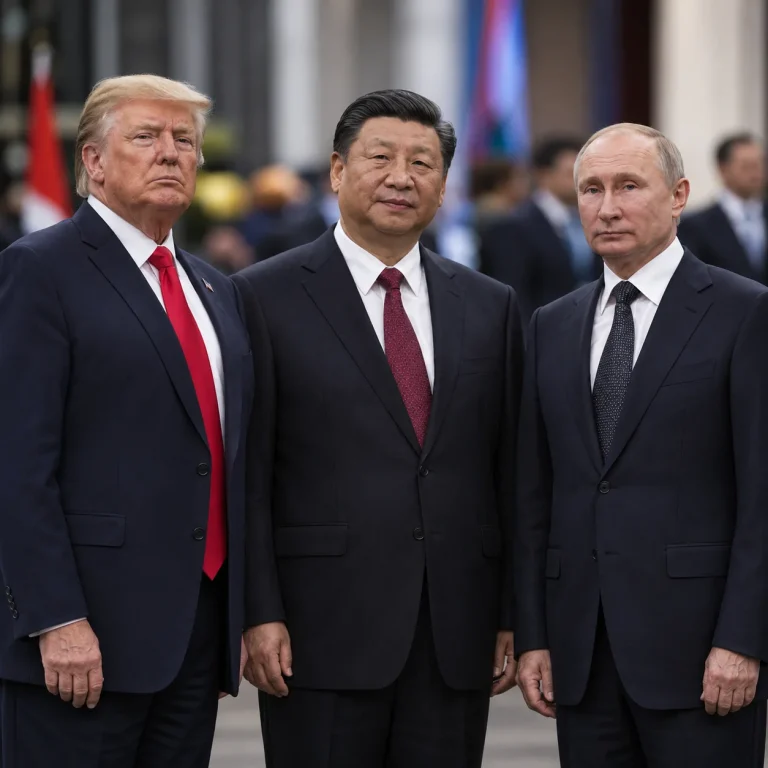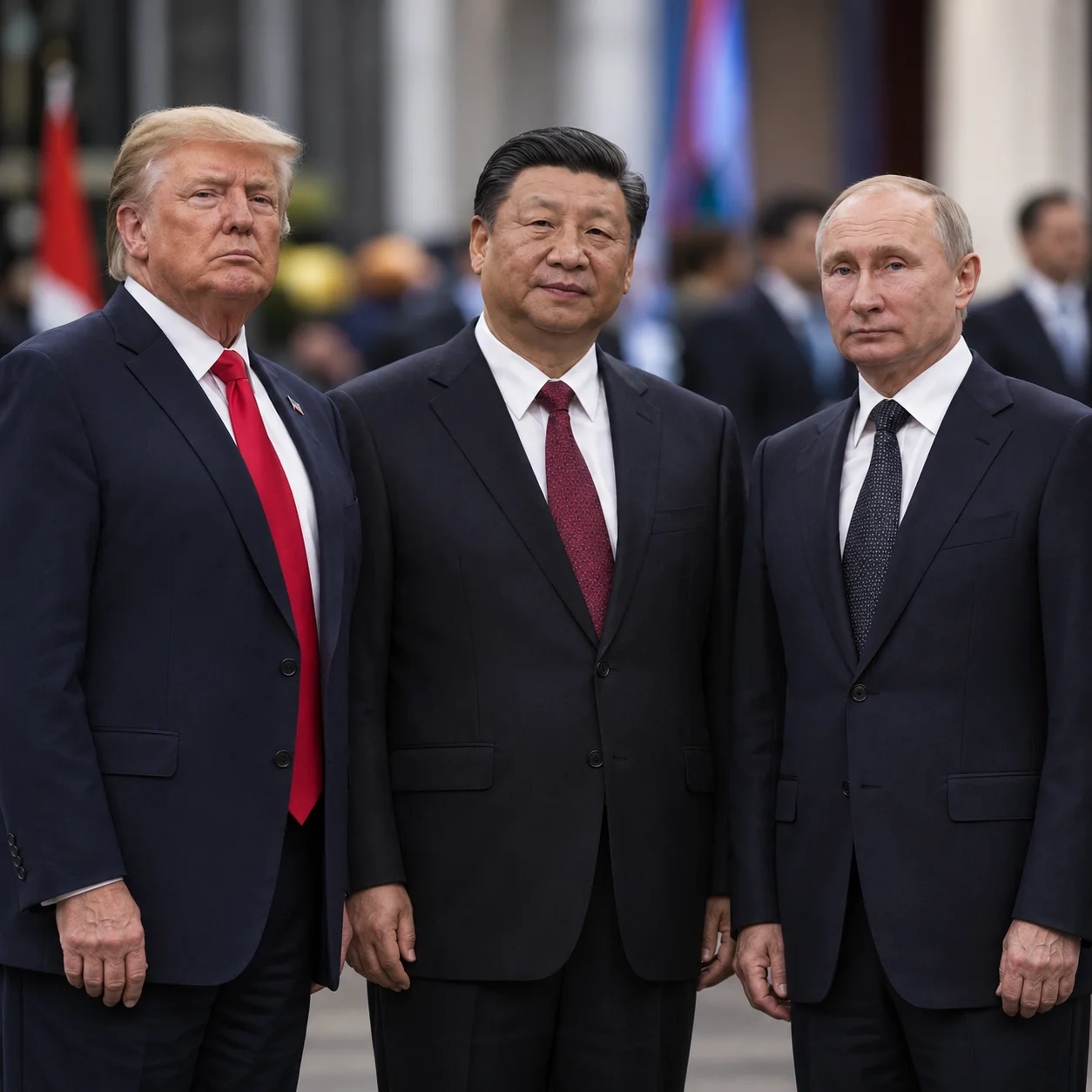
The historic meeting between US President Donald Trump, Chinese President Xi Jinping and Russian President Vladimir Putin is scheduled for Thursday, 19 November 2026, on the sidelines of the Asia-Pacific Economic Cooperation (APEC) summit in Shenzhen, China. This rare diplomatic gathering comes as trade tensions, technology restrictions, regional conflicts and disagreements over economic policies continue to weigh on global financial markets.
Investors are assessing the potential implications of the talks for stock markets, oil and gold prices, the US dollar and global supply chains. Any signs of easing tensions between the major powers could improve risk sentiment across financial markets. Conversely, unsuccessful negotiations or escalating disagreements could trigger greater volatility across asset classes.
Why Does the US-China-Russia Summit Matter for the Global Economy?
The meeting between the leaders of three major economic and military powers presents an opportunity to address some of the most significant international disputes.
The United States and China, as the world’s two largest economies, play a decisive role in international trade, industrial production and technology markets. Russia is also a major participant in global energy and raw materials markets.
As a result, decisions made by these three countries could affect a wide range of markets, from US and Asian equities to commodity prices and foreign exchange rates.
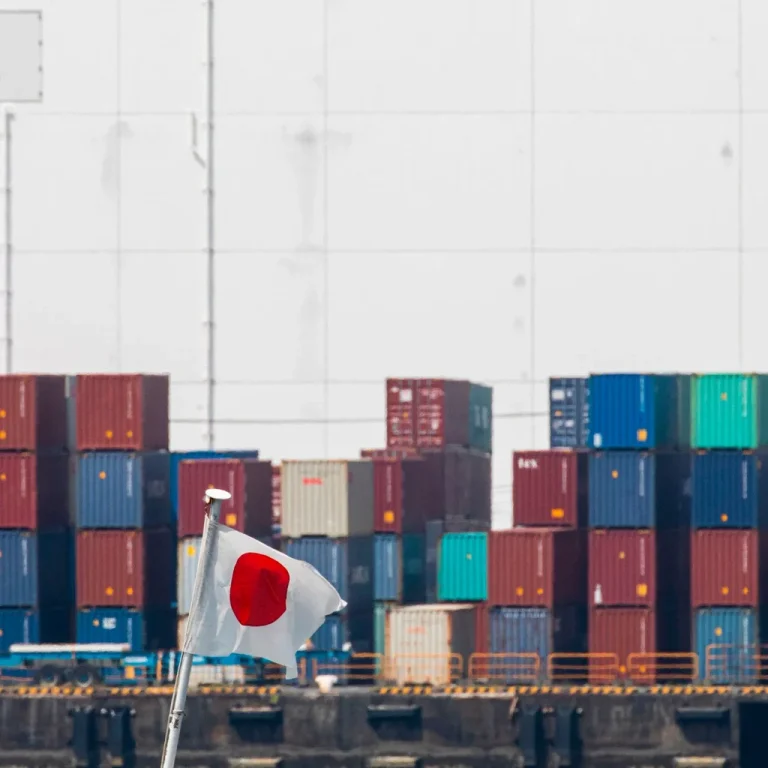
One of the most important issues is the future of trade relations between Washington and Beijing. The temporary US-China trade agreement is due to expire in January 2027, and markets are watching for signs of an extension or a reduction in trade restrictions.
Ahead of the summit, Xi Jinping emphasised the importance of opposing trade protectionism and outlined China’s plans to reduce tariffs and expand foreign investors’ access to its domestic market.
Meanwhile, Donald Trump’s trade policies and US restrictions on exports of advanced technologies to China remain among the most significant points of disagreement between the two countries.
How Could Stock Markets React to Trump-Xi Negotiations?
Stock markets could be among the most responsive to developments at the APEC summit, particularly technology companies, semiconductor manufacturers and industries dependent on international trade.
An easing of US-China trade tensions could improve the earnings outlook for multinational companies while reducing concerns about higher production costs and disruptions to global supply chains.
Under such conditions, indices including the S&P 500 and Nasdaq in the United States, alongside Chinese and Hong Kong equity benchmarks, could benefit from stronger investor risk appetite.
However, stock markets have also faced pressure from other factors in recent days. A stronger US dollar, rising expectations of restrictive Federal Reserve monetary policy and concerns about artificial intelligence company valuations have contributed to a cautious investment environment.
Therefore, even if the summit delivers positive developments, the equity market response will depend on the details of any agreements and the broader US monetary policy outlook.
What Could the Summit Mean for Global Oil Prices?
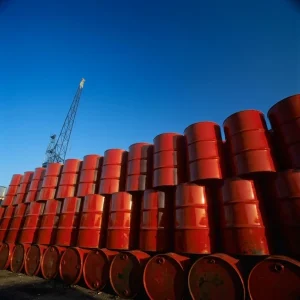
Oil is among the financial markets most sensitive to geopolitical developments, and the summit could influence investor expectations regarding global energy supply and demand.
Russia is one of the world’s major oil producers and exporters, while Western sanctions continue to affect international energy trade flows.
China, meanwhile, is one of the largest oil importers and plays a crucial role in determining global demand.
Brent crude oil has recently traded around $92 per barrel, with energy markets also responding to concerns over the security of oil transportation routes and developments in the Middle East.
Bearish scenario: If negotiations lead to reduced geopolitical tensions, improved energy transportation security or an increased likelihood of easing oil supply restrictions, some of the geopolitical risk premium embedded in prices could diminish.
Bullish scenario: Conversely, escalating disagreements, continued sanctions or growing concerns about oil supply disruptions could provide support for prices.
Nevertheless, the medium-term direction of oil prices will continue to depend on fundamental factors, including OPEC+ production, Chinese demand and global economic growth.
Gold Prices Await the Summit Outcome: Could Safe-Haven Demand Increase?
The gold market could also react to developments from the negotiations, as political and economic decisions involving major powers may influence investors’ perceptions of global risk.
However, gold prices have recently been driven primarily by US dollar strength and rising expectations of restrictive Federal Reserve monetary policy.
Gold fell more than 3% during Wednesday’s trading session, reaching approximately $3,725 per ounce. This decline demonstrates how higher interest rate expectations and a stronger dollar can outweigh geopolitical uncertainty.
If the summit delivers positive developments and reduces political concerns, some safe-haven demand for gold could weaken.
Conversely, if negotiations end without meaningful progress or disagreements between the major powers intensify, demand for defensive assets could increase.
The ultimate direction of gold prices will also depend on changes in US Treasury yields, the US Dollar Index and expectations for Federal Reserve interest rates.
How Could the APEC Summit Affect the US Dollar and Forex Markets?
The outcome of the talks could influence major currency pairs, particularly EUR/USD and USD/JPY, as well as the exchange rate between the US dollar and Chinese yuan.
During periods of heightened geopolitical uncertainty, the US dollar often benefits from investor demand for liquid and relatively safe assets, although this relationship is not consistent in every market environment.
A trade agreement between Washington and Beijing could reduce economic uncertainty and support currencies sensitive to global growth.
However, the dollar has strengthened recently amid expectations of restrictive Federal Reserve policy and higher US Treasury yields.
Consequently, even if the negotiations ease trade tensions, this would not necessarily signal the beginning of a sustained decline in the US dollar.
For forex traders, the interaction between the summit’s outcome, US inflation data, Federal Reserve policy and government bond yields will remain particularly important.
Artificial Intelligence and Semiconductor Markets: A Key Area of Negotiation
Technology competition between the United States and China is one of the most important factors shaping the outlook for global financial markets.
Washington has imposed restrictions on exports of advanced semiconductors and certain artificial intelligence technologies to China. These measures affect semiconductor manufacturers and international technology supply chains.
China, meanwhile, is working to reduce its dependence on foreign technology and expand domestic production capacity for advanced chips and manufacturing equipment.
Any agreement to ease export restrictions or facilitate technology trade could have a positive impact on the outlook for companies operating in the sector.
However, strategic and national security disagreements between the two countries suggest that reaching a comprehensive technology agreement will remain challenging.
Investors will be watching developments involving AI chip export controls, critical minerals and technology companies’ access to international markets.
What Outcomes Are Global Markets Watching for at the Trump, Xi and Putin Summit?
Given the competing interests of the three countries, an immediate and comprehensive agreement across all major issues appears unlikely.
Nevertheless, even limited agreements could significantly influence financial market expectations.
At present, investors are monitoring the potential extension of the US-China trade agreement, reductions in technology restrictions, progress towards resolving the war in Ukraine and measures aimed at reducing risks to international energy trade.
Positive market scenario: A joint statement supporting economic cooperation, tariff reductions or meaningful negotiations to resolve disputes could strengthen risk appetite and improve sentiment towards equities.
Negative market scenario: Escalating trade tensions, threats of additional sanctions or a lack of progress on geopolitical disputes could increase volatility, strengthen demand for safe-haven assets and place pressure on stock markets.
Ultimately, the importance of the Shenzhen summit extends beyond any agreements announced on the day. These negotiations could establish the framework for economic and political relations between the three major powers in the coming months, potentially influencing global investment flows, international trade and financial asset prices.
Was this news useful? Send it to others.
Comments
No comments yet. Be the first.