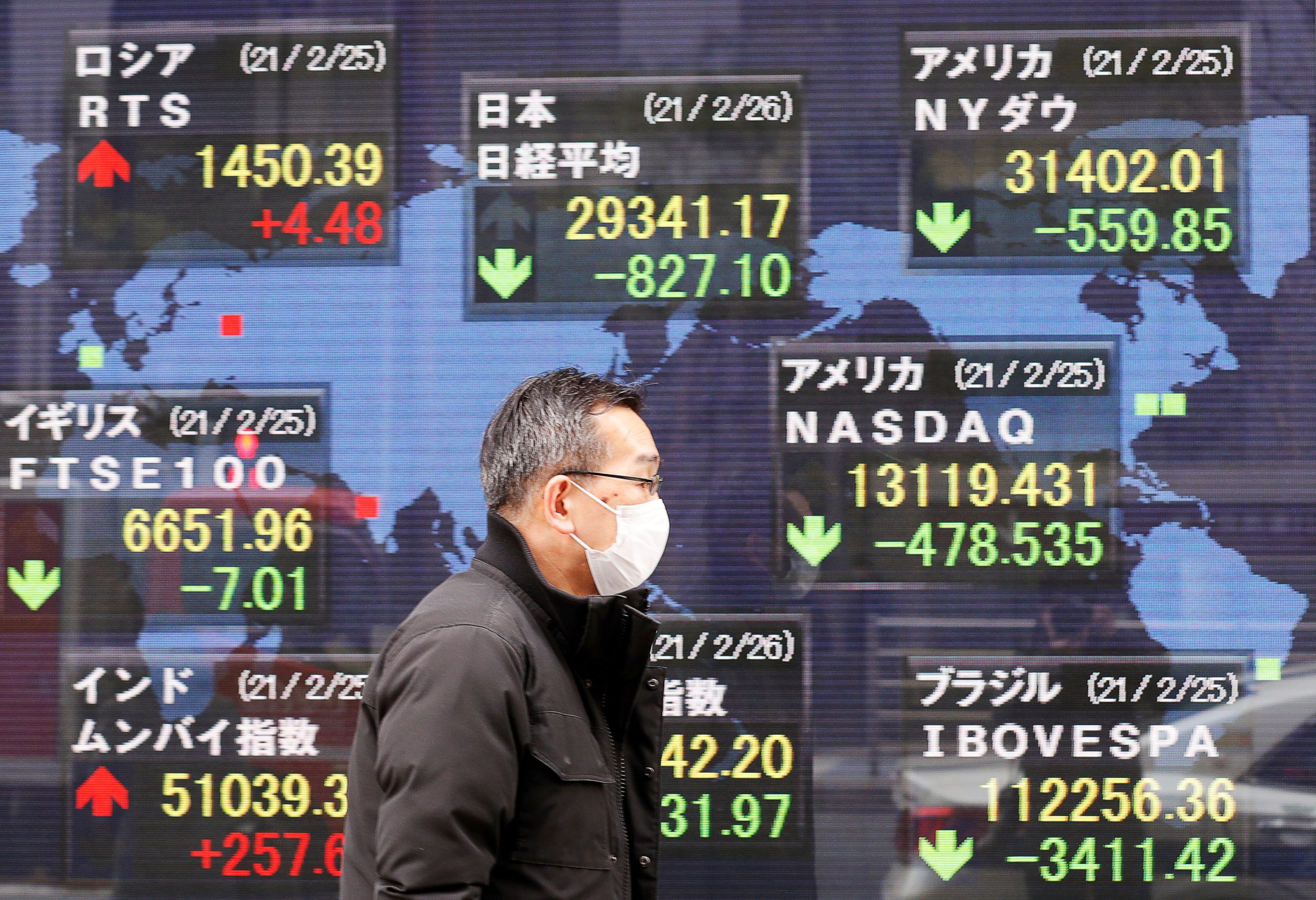
Asian Stocks Mixed as BOJ Holds Rates, Oil Stays Elevated and Fed Decision Nears
BOJ Holds Rate, Signals Gradual Normalization
The Bank of Japan kept its short-term interest rate steady at 0.75%, a move widely anticipated by markets. The decision was passed by a 6–3 vote, and the central bank reiterated that it will continue to raise interest rates in line with economic developments and the evolving Middle East conflict, indicating a gradual normalization path.
The BOJ stated that inflation expectations are likely to continue rising moderately, reinforcing market expectations that further tightening remains possible later this year. Following the decision, Japan’s Nikkei 225 fell 0.7% to 60,107.50 points, retreating from a record high of 60,903.95 reached a day earlier, while the broader TOPIX index rose 0.8%.
Regional Markets React to Oil, Geopolitics and Tech Sentiment
Across Asia, equity performance diverged amid high crude prices and ongoing geopolitical uncertainty. Disruptions around the Strait of Hormuz have kept oil near multi-week highs, renewing inflation concerns and weighing on risk appetite, as little progress has been made in resolving the Iran conflict.
South Korea’s KOSPI outperformed, rising more than 1% to a fresh record high of 6,712.73 points. In contrast, China’s Shanghai Composite index edged down 0.1%, Hong Kong’s Hang Seng slipped 0.7%, Australia’s S&P/ASX 200 declined 0.5%, and Singapore’s Straits Times Index gained 0.2%. Futures tied to India’s Nifty 50 fell 0.5%.
Technology stocks across the region came under pressure, mirroring a cautious global tone ahead of key U.S. corporate earnings and amid growing scrutiny of valuations tied to artificial intelligence. A Wall Street Journal report stated that OpenAI has missed internal revenue and user growth targets ahead of a potential initial public offering, raising questions over near-term monetization in the AI sector.
On Wall Street, the S&P 500 and Nasdaq closed at fresh record highs on Monday, supported by gains in technology shares, while U.S. stock index futures traded little changed. Global attention is now focused on the U.S. Federal Reserve, which is set to announce its policy decision later this week.
FAQ
What did the Bank of Japan decide at its latest meeting?
The Bank of Japan kept its short-term interest rate unchanged at 0.75%, with the decision approved by a 6–3 vote, and signaled a gradual path of further normalization depending on economic conditions and the Middle East conflict.
How did major Asian stock indices perform?
Japan’s Nikkei 225 fell 0.7%, while the TOPIX rose 0.8%. South Korea’s KOSPI gained over 1% to a record high, the Shanghai Composite slipped 0.1%, Hong Kong’s Hang Seng fell 0.7%, Australia’s S&P/ASX 200 dropped 0.5%, Singapore’s Straits Times Index edged up 0.2%, and Nifty 50 futures declined 0.5%.
How are oil prices and geopolitics affecting markets?
Persistent disruptions around the Strait of Hormuz and limited progress on resolving the Iran conflict have kept oil prices near multi-week highs, stoking inflation concerns and dampening risk appetite in regional markets.
What is the market focus in the United States?
Markets are focused on the upcoming U.S. Federal Reserve policy decision later this week, while recent trading saw the S&P 500 and Nasdaq close at record highs and U.S. stock index futures remain little changed.
Share
Hot topics
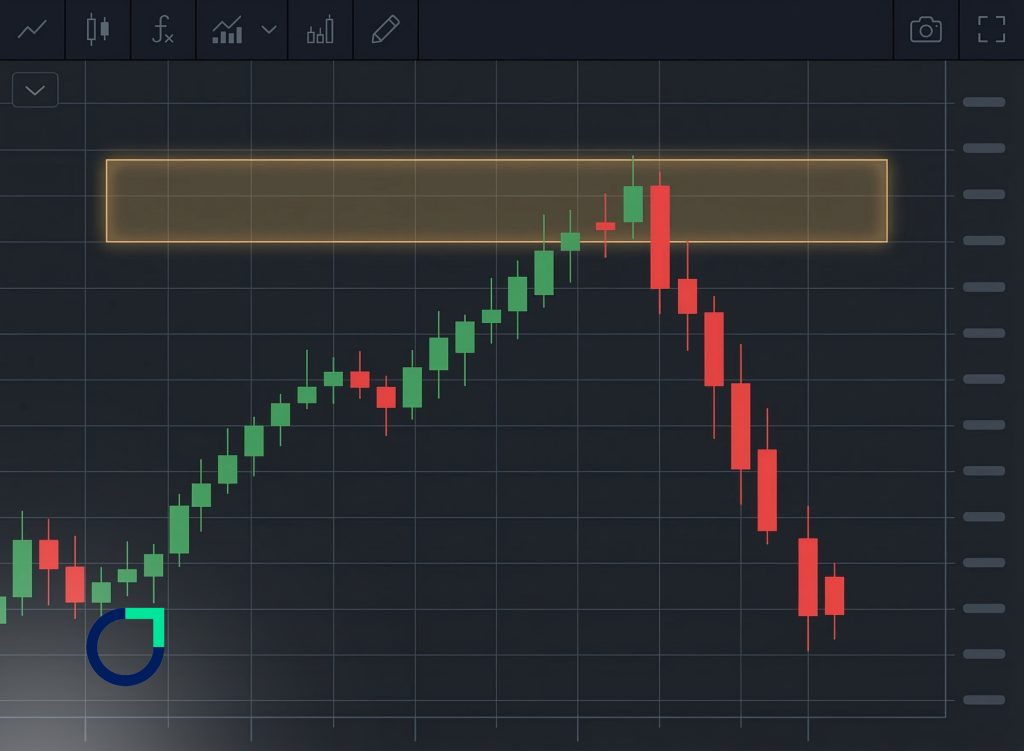
Best Order Block Indicator for Trading
Introduction As you spend time analyzing price charts, you may notice the market often reacts to specific price ranges where strong buying or selling occurred. These price zones, known as...
Read more




Submit comment
Your email address will not be published. Required fields are marked *