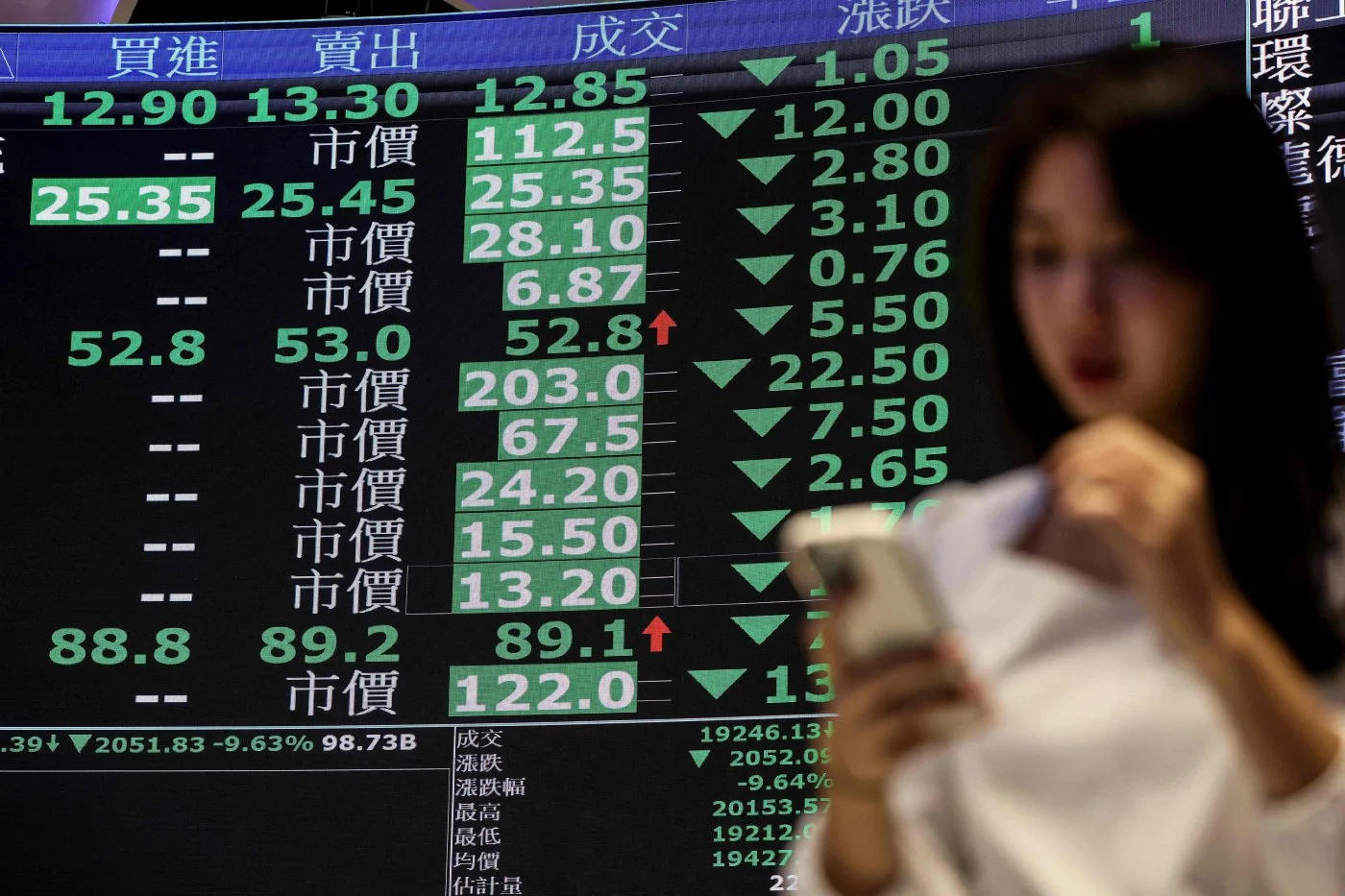
Asia markets mostly advance as US-Iran tensions escalate
Asian equity markets gain, led by Japan and Taiwan
Japan’s Nikkei 225 rose 0.54% to close at 58,792.93. In mainland China, the Shanghai Composite gained 0.59% to 4,075.21, while Hong Kong’s Hang Seng advanced 0.67% to 26,335.15. South Korea’s KOSPI increased 0.65% to 6,232.4.
Taiwan’s TAIEX outperformed the region, climbing 1.2% to 37,251 and marking a new record high. The index was supported by Taiwan Semiconductor Manufacturing Company (TSMC), which reported a 58% surge in net profit for the first quarter of 2026, driven by demand related to artificial intelligence.
Geopolitical tensions weigh on US futures and policy outlook
US stock futures declined sharply after Iran again closed the Strait of Hormuz in response to the US seizure of an Iranian vessel in the Gulf of Oman. Iran also stated it would not participate in a second round of ceasefire negotiations. The current ceasefire between the US and Iran is set to expire on Tuesday, adding to uncertainty in global markets.
In China, authorities kept benchmark lending rates unchanged. The one-year Loan Prime Rate (LPR) remained at 3%, and the five-year LPR was held at 3.5%. These steady policy rates formed part of the backdrop for the day’s gains in Chinese equities.
Goldman Sachs warned that a prolonged conflict involving Iran could hurt China’s export growth this year, highlighting potential risks for the region’s trade outlook if geopolitical tensions persist.
FAQ
Which Asian markets rose on Monday?
Japan’s Nikkei 225, China’s Shanghai Composite, Hong Kong’s Hang Seng, South Korea’s KOSPI, and Taiwan’s TAIEX all registered gains.
Why did Taiwan’s TAIEX hit a record high?
TAIEX reached a new record high of 37,251, rising 1.2%, supported by TSMC, which posted a 58% year-on-year surge in Q1 2026 net profit driven by AI-related demand.
What happened to US stock futures?
US stock futures fell sharply after Iran again closed the Strait of Hormuz and said it would not join a second round of ceasefire talks following the US seizure of an Iranian vessel.
What changes did China make to its lending rates?
China made no changes to its benchmark lending rates, keeping the one-year LPR at 3% and the five-year LPR at 3.5%.
Share
Hot topics
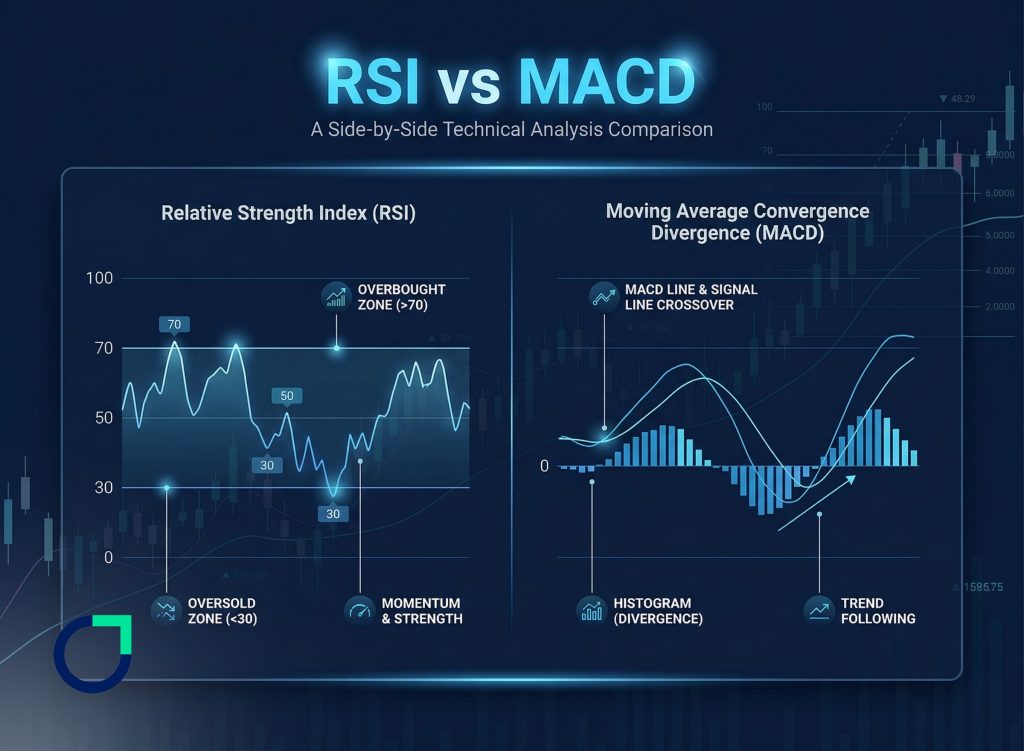
RSI vs MACD: Key Differences, Strategies, and Which One Is Better?
Introduction In reviewing the charts used for trading, you likely see numerous indicators on the charts. Indicators include identifying the direction of the trend, monitoring momentum in prices, and identifying...
Read more



Submit comment
Your email address will not be published. Required fields are marked *