
Trend Trading Strategies in Forex
Forex trading can be intimidating at first. Prices fluctuate rapidly, charts appear crowded, and opinions are plentiful. Many traders enter without a clear strategy and end up overwhelmed. That is why trend trading is still one of the most popular and user-friendly forex trading strategies.
Essentially, trend trading is about simplicity. Instead of anticipating every minor movement, you concentrate on the overall trend. You want to trade in the market’s current direction rather than against it.
Trend trading is often described as a trend following strategy, where traders aim to stay aligned with the market’s dominant direction rather than predict reversals.
At OTET Markets, many traders start by learning how trends work. Trends provide structure to the market. They help traders determine whether buyers or sellers are in control, and they provide a clearer framework for making informed trading decisions.
What Is a Trend in Forex?
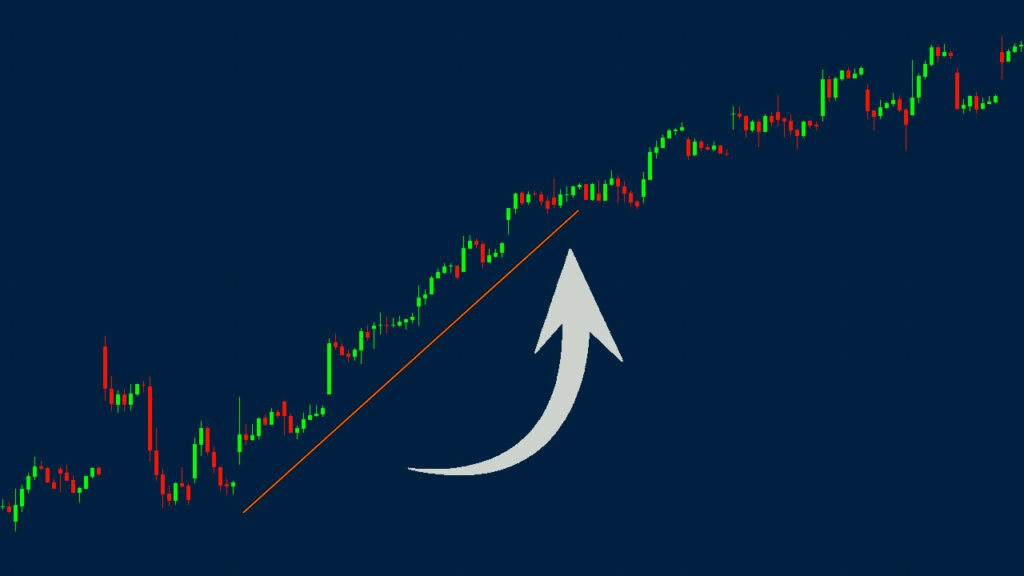
Price trends reflect the overall direction of price movement over time. A market is in an uptrend if it consistently creates higher highs and higher lows. Conversely, if it consistently creates lower highs and lower lows, the market is in a downtrend. When the price moves up and down without falling below its range, the market is said to be in consolidation.
Trends exist at all timeframes, so traders may look at a five-minute chart and it can be an uptrend; however, on a daily chart, it might be a downtrend. As with all things trading, context is very important, and creating your strategy will require you to determine which timeframe is going to be best for your goals as a trader.
Imagine trends like ocean waves. Some are small and short-lived, while others travel a long distance and can last for a longer period of time. Trend traders ride the larger waves rather than react to every single splash that occurs along the shoreline of the ocean.

Why Trend Trading Works for Many Traders
The psychology of trend trading is one of the key factors in its success. When an asset’s price is rising, traders find that it is easy to buy and sell when the price is falling. Therefore, trend trading is based on human nature and does not require the trader to work against it.
Markets often move in trends because of many economic forces, such as interest rate changes, inflation reports, central bank policies, and geopolitical events. These forces can create prolonged currency trends lasting from several weeks to months.
Clarity is another benefit of trend trading. Charting trends tends to be cleaner because the trader does not attempt to identify specific high and low points. Instead, trend traders look to enter the market during pullbacks and exit the market when the trend displays potential signs of weakness.
The Philosophy Behind Trend Trading
Trend traders do not expect the perfect entry and exit – they know that they will never buy at the “bottom” or sell at the “top”. Instead, the objective is to take advantage of the area of the trend with the highest probability of a successful outcome, typically somewhere in the middle of the trend.
Many experienced traders acknowledge that small losses are part of the trading process. When the trend is strong, winning trades often outnumber losing ones. That balance is what fuels long-term growth.
Patience is the key to successful trading. Trends generally develop and end over time. As such, it is common for new traders to make mistakes by either rushing to initiate or over-trading trends.
Understanding Market Structure
The first step to implementing any trading strategy is understanding the market structure. Market structure refers to the movement of price as it develops in the past, creating highs, lows, and ranges.
An uptrend will have an increasing number of higher lows and will continue to respect support levels; whereas in a downtrend, the price will have lower highs, and resistance levels will be repeatedly formed. Recognizing these patterns allows you to align with the market direction and decide accordingly.
Understanding the structural aspects of the market is critical, as indicators alone do not give you enough information to trade effectively. Recognizing the structure of price gives meaning to what the indicator is saying and helps you better manage your risk by avoiding false signals that an indicator can provide.
The Role of Identifying Trends
Identifying trends is one of the most essential skills that every trend trader should learn first. To identify a trend, you must analyze the market’s price action and determine whether it is trending or ranging.
The simple method to do this is to zoom out and look at higher timeframes, as they will often show clearer signs of the trend. If you see a strong directional trend on the daily chart, then you can use lower timeframes to identify your entry points.
Another great tool for identifying trends is the trendline. The trendline can be drawn by connecting higher lows in an uptrend or lower highs in a downtrend. The trendline allows you to identify the direction of the trend, and if the price continually follows that line, the trend is most likely still valid.
Common Types of Forex Trends
Forex trading can be classified into three main categories, each calling for a different type of strategy and perspective.
- Uptrends are characterized by rising prices, and traders often look for buying opportunities on pullbacks.
- Downtrends involve falling prices, and traders prefer to sell on any short-term rallies during a downtrend.
- Sideways markets happen when prices move within a certain range. Trend strategies usually don’t perform well in these conditions, and many traders stay on the sidelines during these times.
Knowing which situation you are in can save you time, money, and frustration.
Tools Used in Trend Trading
Although price action is important, the tools can also help you to check and verify your analysis. For example, a moving average tracks price movements and highlights the price direction. A trader may find that a moving average will help to identify the current trend direction in the market. Longer moving averages can offer dynamic support. When prices stay above a rising average, it typically signals strength. When they stay below a falling average, it indicates weakness or resistance.
Some other tools a trader might use are channels, trend lines, and momentum indicators. Though none of these tools provide future predictions, they help to provide insight into current market conditions.
Using Trend Indicators Wisely
Trend indicators can assist your analysis when used properly. They work effectively when integrated with a price structure rather than used alone. Moving average indicators and directional indicators are useful for confirming that the momentum aligns with the trend. When price and indicator(s) are aligned, you have increased confidence in your trade. Overusing indicators can lead to confusion. Keeping your charts clean and simple will provide you with the ability to make better decisions.
Pullbacks: The Trader’s Opportunity
Pullbacks are retracements toward the main trend. In an uptrend, prices might fall briefly before continuing higher. During a downtrend, prices may rise slightly before dropping again.
Pullbacks can offer strong risk-to-reward ratios for traders looking to enter markets during a pullback because they can typically place tighter stop losses while staying aligned with the overall trend. Waiting for pullback confirmation helps traders avoid unnecessary losses and improves consistency.
Breakouts vs Trend Continuation
Many traders mix up breakouts as being the same as trend trading. However, breakouts do begin trends, and trend trading tends to look at trend continuation rather than the initial breakout trends. Chasing breakouts can be risky, particularly after the market has already extended itself significantly prior to breaking out. Trend traders frequently wait for the market to stop and then continue its movement. By following this trend continuation method, traders are able to reduce emotion-based decision-making while also keeping their risks manageable.
Risk Management in Trend Trading
No strategy is effective without adequate risk management. Trend trading is not an exception.
Many experienced traders limit risk to a small percentage of their account on each trade. This protects their trading accounts from big losses during losing streaks.
Stop losses are important. They specify how much you are prepared to lose if the market moves against you. In trend trading, stops are frequently put beyond recent swing points.
Position Sizing and Consistency
Position sizing refers to the amount of your capital allocated to the trade. It does not tell you where to enter or exit a position, which means two different traders could enter into the same trade, yet have drastically different results based on their position size.
More than simply being able to buy low and sell high, the key is to remain consistent over time with small, manageable trades until you catch a trend that has the potential to make a profit. OTET Markets encourages traders to focus on long-term growth rather than instant profits.
Common Mistakes New Trend Traders Make
One common mistake is entering too late. When a trend is already overextended, the risk rises exponentially.
Another mistake is disregarding higher timeframes. Trading against a wider trend frequently results in frustration and losses.
Overtrading is also a problem. Not every move represents a trend, and sometimes the best trade is no trade at all.
Building a Simple Trend Trading Plan
A comprehensive trading plan does not have to include complicated topics. It simply needs to cover several basic aspects of your trading plan:
- What timeframe will you trade?
- How do you determine the trend?
- Where will you enter, exit, and place your stop?
Clarity reduces uncertainty. When you know what you’re looking for, decision-making becomes simple and more efficient.
Backtesting and Practice
Before putting actual money at risk, you have to test your strategy. Backtesting involves reviewing previous charts to determine how your strategy would have performed. This approach boosts confidence and helps you identify your strengths and flaws. It also illustrates the market situations in which your plan performs best.
Demo accounts are another useful tool. They allow you to practice in real-market situations without limitations and costs.
Read More: Best Brokers for Demo Accounts
Adapting to Changing Markets
Markets change over time. What works currently may require adjustments tomorrow. Trend traders must stay disciplined while adjusting gradually to changing market conditions.
This does not imply changing strategies every week. It entails studying market behavior and making small, thoughtful modifications over time. Continuous learning is essential for long-term success in forex trading.
Final Thoughts on Trend Trading
There are many reasons why trend trading strategies in the forex markets are popular. They offer structure, clarity, and a logical way to approach the market. Trades that focus on direction rather than prediction decrease emotional stress and enhance consistency. With patience, dedication, and adequate risk management, trend trading can become a consistent element of your trading plan.
At OTET Markets, education is a core value. Understanding how trends work allows traders to make more informed decisions and gradually build up their confidence. Trend trading does not require rushing. It is about aligning with the market, managing risk responsibly, and allowing probability to work in your favor over time.
Share
Hot topics
What is Balance in Forex? A Complete Guide for Traders
Introduction When you open a trading account for the first time, one of the first numbers you see on your screen is your balance. It looks simple. It looks clear....
Read more




Submit comment
Your email address will not be published. Required fields are marked *