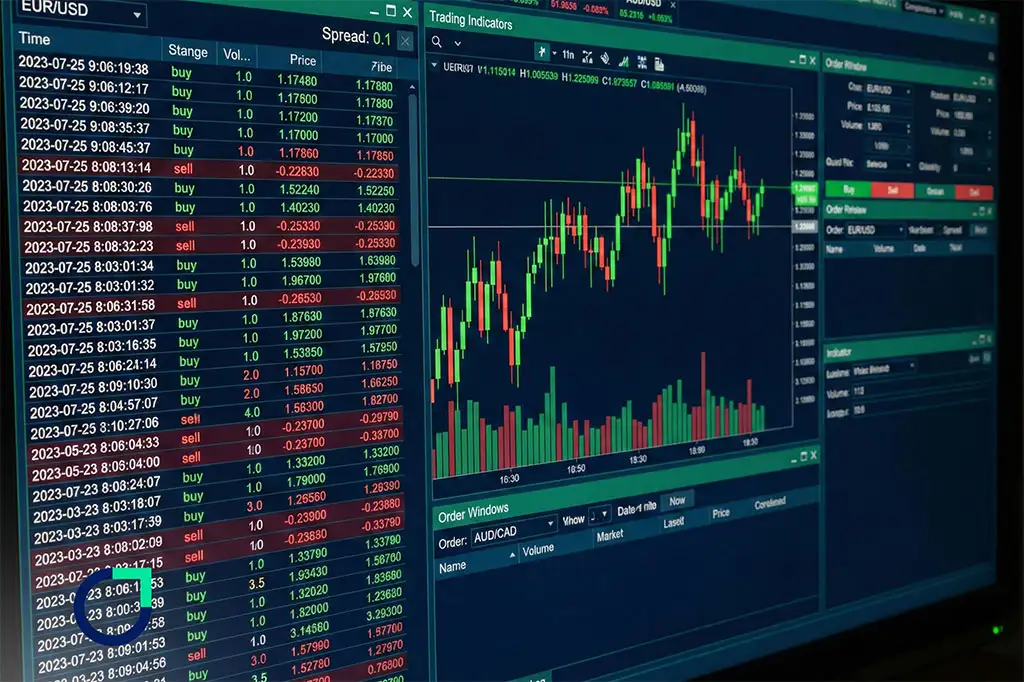
What Is Liquidity in Forex Strategy?
If you’ve ever placed an order and seen how quickly it filled up or how incredibly slow it moved you witnessed liquidity in action.
While traders obsess over indicators, entries, and risk management, few take a moment to consider the most important aspect: “What is liquidity in Forex?” It drives spreads, trading speed, and slippage, as well as volatility.
In simple terms, liquidity is all about how easy it is to buy and sell a currency pair without leading to a significant price movement. The more buyers and sellers looking to fill, the more liquid a market.
Understanding (What is liquidity in forex strategy) can entirely transform how you approach trading. This is not simply a theory. It is practical. It determines when and what you trade.
Let’s break down this concept of liquidity in forex so that you can understand it in a manner that is simple, clear, and applicable in your trading decisions.
Why Liquidity Is Important in Forex Strategy?
Liquidity shows how smoothly the market operates. In a high liquidity market, orders are usually filled quickly. Spreads are tight. Movement is steady and orderly. In a low liquidity market, spreads widen, slippage increases, and sharp spikes can reverse quickly, ruining even the best of plans.
Imagine you’re trading during the London-New York overlap. Your order typically fills faster. Now compare this to trading late Friday evening. The same trade may slip a few pips.
Liquidity affects:
- Entry precision
- Stop-loss reliability
- Spread costs
- Overall trading stability
For traders using platforms such as Otet or other advanced trading platforms, liquidity directly impacts how well their strategies perform.
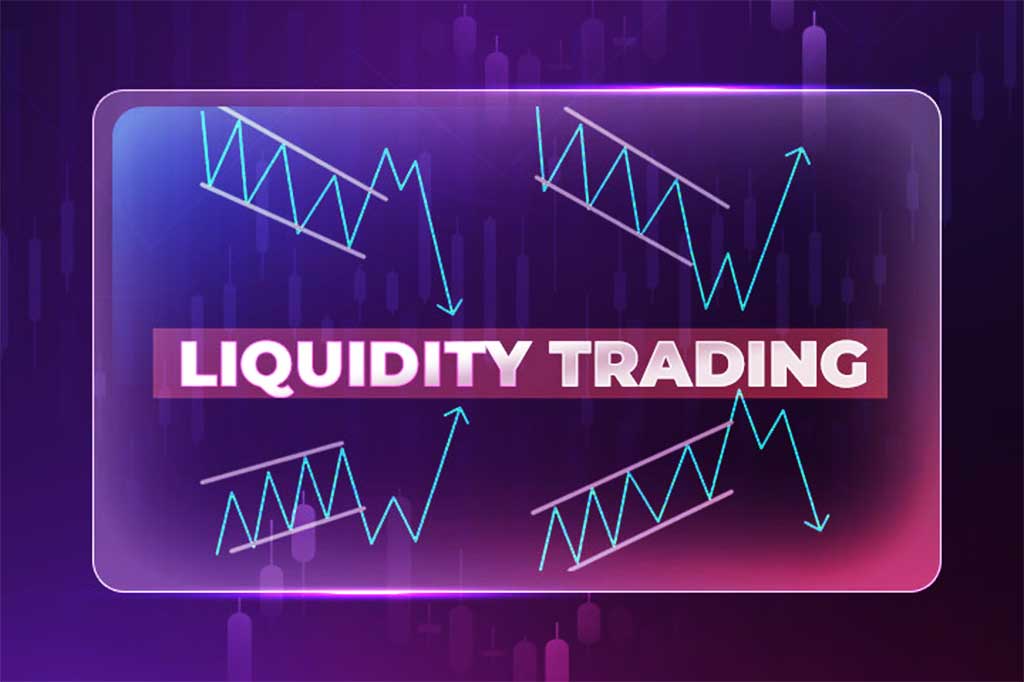
The Role of Liquidity Providers in the Forex Market
There is no single centralized exchange for the Forex market, as it operates from the global financial network created by banks and other financial institutions.
Most liquidity providers are large banks, hedge funds, and financial institutions that constantly provide prices to buy and sell. They create the level of depth in the market that retail traders depend on.
When you open your metatrader5 account or cTrader Accounts for trading, your broker connects you to the liquidity providers through a system of aggregation. These liquidity providers provide:
- Competitive bid/ask pricing
- Continuous market availability
- Depth of market
Without liquidity providers, Forex would not work as effectively as it should.
Liquidity vs Volatility: Understanding the Difference
Liquidity and volatility can be easy to confuse; however, they are actually two different concepts. Liquidity is concerned with how easily trades can be executed. Volatility is concerned with the amount that the price moves. They affect each other, but they are two separate ideas.
What Is Volatility?
Volatility refers to the speed and magnitude of price movements.
If a currency pair moves 100 pips in a matter of minutes, then it is considered to have high volatility. If it only moves 10 pips over several hours, then it is considered to have low volatility. Volatility offers opportunity but also adds to risk.
How Liquidity Affects Volatility
Low liquidity often leads to higher volatility. When there are fewer participants, large orders can create significant movement in price; this typically results in spikes or gaps in price.
High liquidity will create stabilizing movement in price. It does not eliminate volatility, but it does make movements steadier. For instance, massive news announcements can temporarily reduce liquidity. Even if volatility rises, market movements may become chaotic.

Types of liquidity in forex
Forex liquidity can be categorized into multiple categories. There is market liquidity — overall trading activity.
There is pair-specific liquidity — how active a currency pair is. And there is session-based liquidity, depending on the time of day.
Some traders also refer to LIT style in forex as a way to think about where liquidity is building and where large players may execute orders. Understanding these differences between liquidity types allows you to define your overall trading strategy with current global events.
Read More: LIT style in forex
How to Measure Forex Liquidity
In the forex market, liquidity cannot be represented by a single number. Instead, there are many different indicators that traders can use to evaluate the activity and stability of the forex market at any given time. Here are some of the elements you can use to help form a picture of current liquidity conditions before you place a trade.
Spread Size
A tighter spread usually means more liquidity. When there are a large number of buyers and sellers in the market, brokers could present relatively minor discrepancies between bid and ask prices. Major pairs often show extremely tight spreads during peak trading hours, especially on ECN-style accounts.
Trading Volume
However, forex is decentralized and does not publish centralized volume statistics; brokers do provide tick volume information. A higher tick volume generally indicates a great number of participants in the market, and this is often associated with high liquidity.
Depth of Market (DOM)
Advanced trading platforms use Depth of Market (DOM) to display order book data. A significant number of pending orders at various price levels or points indicates more liquidity and a stronger market structure.
Session Activity
Liquidity will vary depending on which financial centers are active at the time. The London and New York sessions often have more liquidity than the Asian session (except for JPY pairs). Trading during overlapping sessions typically results in the most stable conditions.
Slippage Frequency
Frequent slippage, which occurs when orders are executed at a different price than requested, can indicate poor liquidity. If slippage increases significantly, it may suggest that the market does not have enough depth at the moment.
Liquidity Cycles and Trading Sessions
Liquidity levels in Forex are not constant and will vary with the time of day due to different financial centres being open at any given time.
Asian Session: Moderate liquidity, strongest in JPY and AUD pairs.
London Session: Very high liquidity.
New York Session: High liquidity.
London–New York Overlap: Peak liquidity.
Late Friday and early Monday are often defined by low liquidity levels. In order to achieve better execution, professional traders will align their Trend Trading with high liquidity trading time frames.
Read More: Trend Trading Strategies in Forex
High Liquidity vs Low Liquidity Currency Pairs
Not all currency pairs are equal in liquidity.
Major Pairs (High Liquidity)
- EUR/USD
- GBP/USD
- USD/JPY
- USD/CHF
- AUD/USD
- USD/CAD
These pairs are highly traded globally. They have tight spreads and consistent volume.
Exotic Pairs (Low Liquidity)
- USD/TRY
- USD/ZAR
- USD/MXN
- EUR/TRY
- USD/THB
Exotic pairs often have wider spreads and unpredictable price spikes. Here is the comparison sheet:
| Feature | Major Pairs | Exotic Pairs |
| Liquidity Level | Very High | Low |
| Spread Size | Tight | Wide |
| Slippage Risk | Low | High |
| Volatility Style | Smooth | Sudden Spikes |
| Suitable For | Scalping, Day Trading | Swing Trading (with caution) |
The table above compares the most popular currency pairs based on order flow, volume, and how to trade the pairs effectively.
How News and Economic Events Affect Liquidity
News events cause a temporary distortion in liquidity. Before important announcements, liquidity usually decreases. Traders step away. The order books often thin out.
Once the announcement is made, volatility usually spikes, and the return of liquidity occurs as the institutions re-enter. Events that have a significant impact on liquidity include the following:
- Central bank rate decisions
- Inflation data
- Non-Farm Payroll (NFP)
- Geopolitical events
Please use caution when trading on news; even high liquidity pairs may behave in an erratic manner.
Trading Risks in Low-Liquidity Conditions
When liquidity is low, several risks become more pronounced.
- First, spreads widen, which increases trading costs.
- Second, slippage will occur much more frequently; therefore, your stop-loss might execute at a worse price.
- Third, price manipulation becomes easier; sudden spikes may trigger stop-loss runs.
- Fourth, price gaps can occur, especially over weekends.
Traders who ignore liquidity conditions often blame their strategy when, in fact, the environment was the problem.
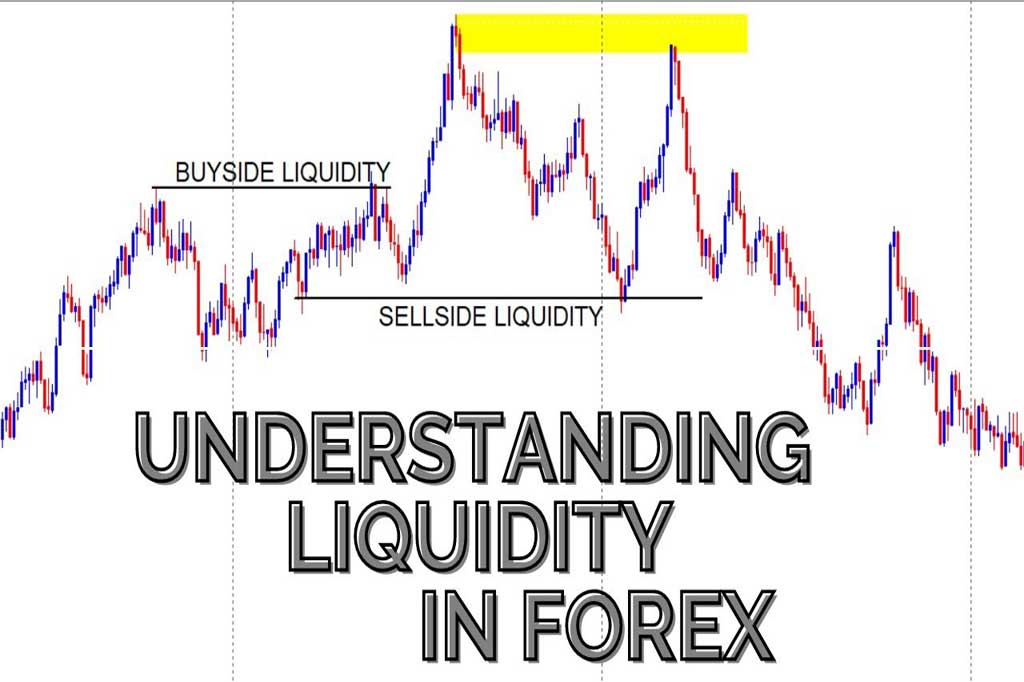
How to Use Liquidity in Your Forex Strategy
Liquidity should guide your execution and timing decisions.
Trading During High Liquidity Hours
For consistency and predictability, focus on trading during the London and New York sessions. High liquidity will benefit scalpers and intraday traders by keeping spreads tight.
For instance, opening a metatrader5 account and trading EUR/USD during the London session generally produces a better result than trading late on Fridays.
Adjusting Position Size in Thin Markets
In thin markets, you need to reduce your position size. Wider spreads lead to increased transaction costs; therefore, smaller positions help manage risk. Many swing traders using cTrader Accounts adapt their lot sizes according to market conditions and trading sessions.
Avoiding Low-Liquidity Traps
Avoid trading:
- Late Friday
- During unexpected political announcements
- Before major economic releases
Patience is a strategy. Sometimes the best trade is to wait.
Common Mistakes Traders Make with Liquidity
Many traders underestimate the importance of liquidity. Common mistakes include:
- Ignoring session timing.
- Trading exotic pairs without understanding the spread cost.
- Overleveraging during low-volume hours.
- Confusing volatility with opportunity.
Some traders don’t use market structure or price action along with their indicators in their strategy development process. They often ignore market structure and liquidity flow. You do not need complex mathematics to understand liquidity; you need to be aware of the liquidity in the markets you are trading.
Practical Trading Examples Using Liquidity
Let’s look at a practical example.
Scenario 1: You trade EUR/USD during London–New York overlap. Spreads are 0.8 pips. Your order fills instantly. Price moves steadily 30 pips in your direction.
Scenario 2: You trade USD/TRY during a quiet session. Spread is 15 pips. Price spikes suddenly 80 pips against you before reversing.
Same strategy. Different liquidity conditions. Completely different outcomes. Liquidity awareness transforms results more than most beginners realize.
Another example: A trader following Trend Trading Strategies in Forex might wait for high liquidity sessions to confirm breakouts, avoiding false moves during thin markets.
Conclusion
Liquidity is one of the most commonly overlooked components of Forex trading. Order execution, spreads, volatility, and the general stability of trading are all influenced by liquidity.
The more you know about changes in liquidity throughout different trading sessions, currency pairs, and the economic calendar, the more advantage there will be for you over those traders who don’t.
Whether you trade majors on advanced platforms like Otet, manage positions using a metatrader5 account, or explore with cTrader Accounts, liquidity knowledge should drive your actions.
Successful traders don’t just analyze the charts; they also determine conditions. When you create a plan for trading that incorporates knowledge of liquidity rather than fighting against it, you will have a much better chance of creating a successful, predictable, and ultimately professional trading business.
FAQ
Liquidity in a Forex strategy refers to how easily a currency pair can be bought or sold without significantly affecting its price. High liquidity allows smoother execution and tighter spreads.
Liquidity changes because global financial centers open and close at different times. Participation increases during London and New York sessions and decreases during quieter hours.
Share
Hot topics
What is Balance in Forex? A Complete Guide for Traders
Introduction When you open a trading account for the first time, one of the first numbers you see on your screen is your balance. It looks simple. It looks clear....
Read more




Submit comment
Your email address will not be published. Required fields are marked *