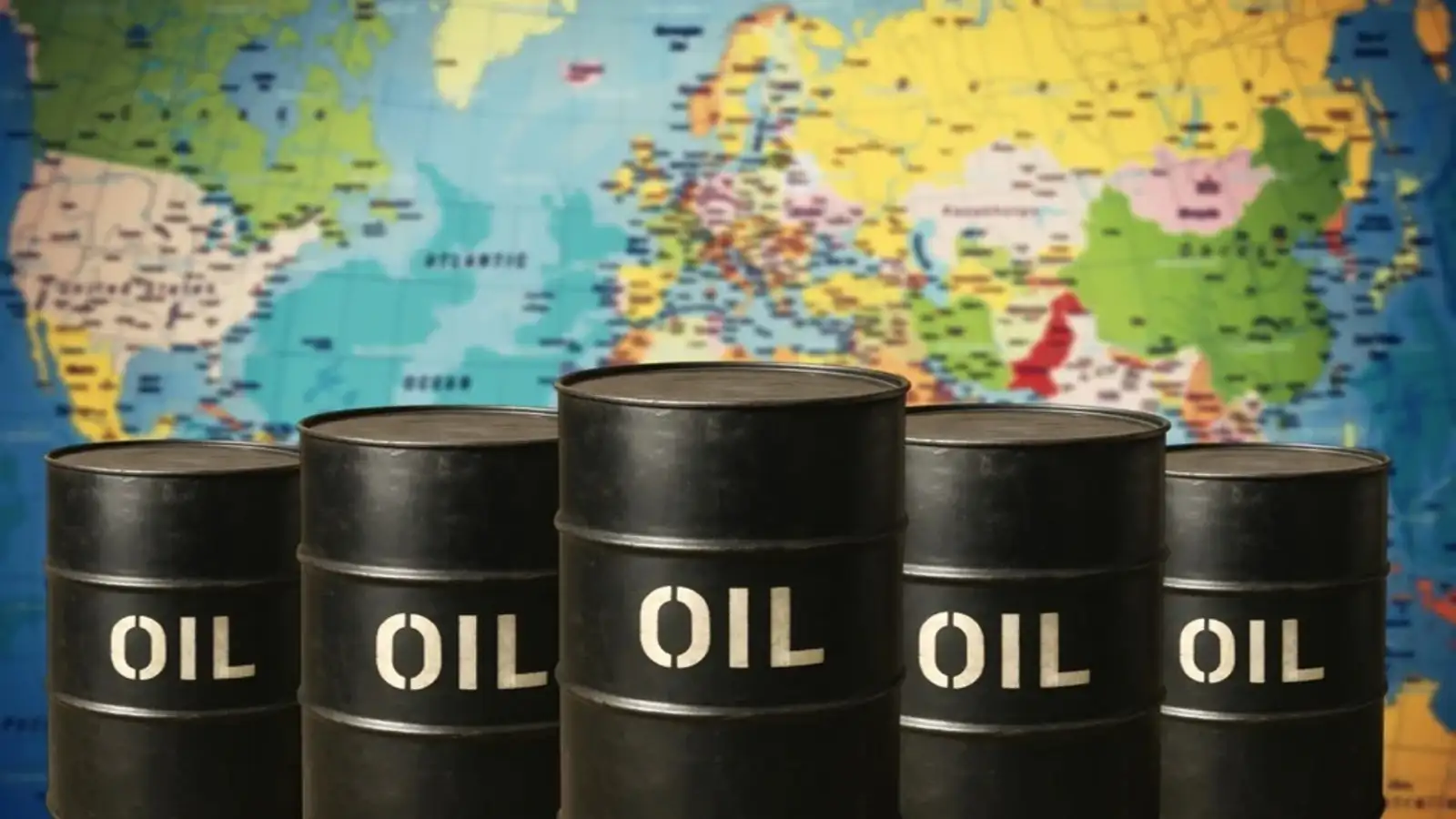
Brent Crude Nears $110 as US–Iran Conflict Disrupts Hormuz Shipments
Brent Crude Prices React to Prolonged Conflict
Brent crude futures advanced to about $110 per barrel on Tuesday, approaching levels not seen since March. The price move reflects continued market concerns over supply disruptions linked to the ongoing US–Iran conflict, now in its ninth week.
Negotiations aimed at de-escalating tensions and restoring safe passage through the Strait of Hormuz have stalled. US President Donald Trump was reportedly dissatisfied with Iran's latest proposal, with Tehran's nuclear program remaining a central point of contention. Efforts to reach an agreement have so far failed to restore confidence in energy supply stability.
Strait of Hormuz Closure Adds to Supply Shock Risks
Iran has communicated through Pakistan that it is prepared to end hostilities if several conditions are met. These include the lifting of Washington's naval blockade, agreement on a revised framework for transit through the Strait of Hormuz, and assurances against future military action. However, with no resolution in place, flows through the strait remain effectively halted.
The Strait of Hormuz typically accounts for roughly 20% of global energy consumption, making its disruption a critical factor in current market dynamics. The conflict has already pushed energy prices higher and disrupted supply across key markets. The International Energy Agency has warned of an unprecedented supply shock, while also highlighting rising risks of a demand slowdown, underscoring the dual pressures facing global energy markets as the situation continues.
FAQ
Why are Brent crude prices rising toward $110 per barrel?
Brent crude prices are climbing as the prolonged US–Iran conflict and the effective halt of flows through the Strait of Hormuz disrupt energy supplies and keep markets on edge.
What role does the Strait of Hormuz play in global energy markets?
The Strait of Hormuz is a key transit route that typically accounts for roughly 20% of global energy consumption, so its closure significantly affects global supply and pricing.
What conditions has Iran set for ending hostilities?
Iran, via Pakistan, has indicated that hostilities could cease if the United States lifts its naval blockade, agrees to a revised framework for transit through the Strait of Hormuz, and provides assurances against future military action.
What is the International Energy Agency’s assessment of the situation?
The International Energy Agency has warned of an unprecedented supply shock stemming from the disruption, while also noting rising risks of a slowdown in energy demand.
Share
Hot topics
Best Order Block Indicator for Trading
Introduction As you spend time analyzing price charts, you may notice the market often reacts to specific price ranges where strong buying or selling occurred. These price zones, known as...
Read more




Submit comment
Your email address will not be published. Required fields are marked *