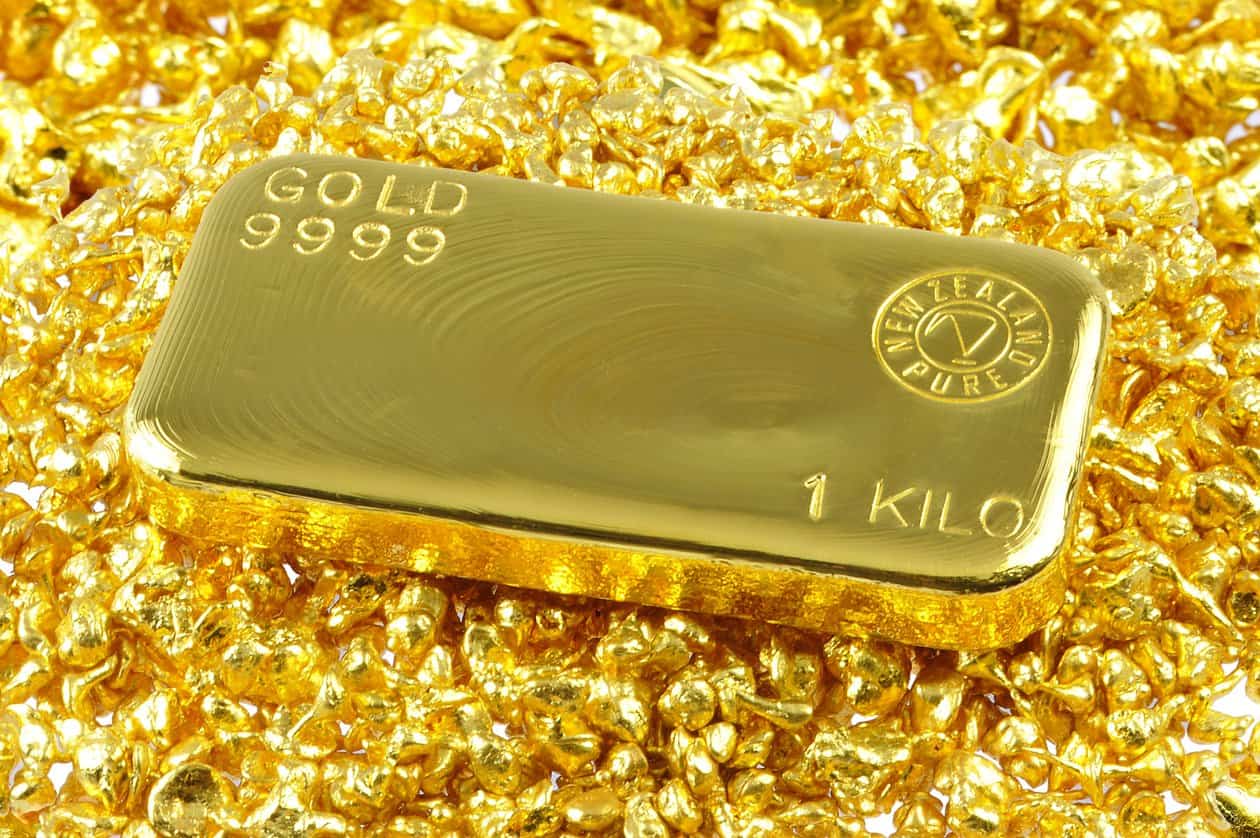
Gold Rebounds Above $4,700 as Iran Proposal Emerges on Hormuz and War End
Gold Price Reaction to Shifting Diplomatic Signals
Gold initially fell earlier in Monday’s session after US President Donald Trump cancelled a planned trip by senior envoys to Islamabad, where they were expected to resume talks with Iran. Tehran reiterated it would not engage in negotiations under threats or blockade conditions, adding to uncertainty around diplomatic progress.
Later in the session, prices rebounded, pushing gold back above $4,700 an ounce. The recovery followed reports that Iran had submitted a new proposal to the United States, reportedly delivered through Pakistani mediators. The apparent shift in diplomatic dynamics, centered on the status of the Strait of Hormuz and prospects for ending the war, helped reverse the earlier losses in bullion.
Content of Iran’s Proposal and Policy Backdrop for Bullion
According to the reported proposal, Iran called for extending the ceasefire to enable steps toward a permanent end to hostilities. At the same time, it suggested deferring nuclear negotiations until after the United States lifts its blockade of the Strait of Hormuz. The focus on maintaining and extending the ceasefire, alongside conditions on nuclear talks, framed the latest phase of engagement between Tehran and Washington, as conveyed via Pakistan.
Despite the intraday rebound, non-yielding gold remains under broader pressure. Elevated inflation risks stemming from the Middle East conflict are reinforcing expectations that central banks may keep interest rates higher for longer, or potentially tighten further. Such a higher-for-longer interest rate environment typically weighs on assets that do not generate income, including bullion, even as geopolitical developments can generate short-term price support.
FAQ
What triggered gold’s rebound above $4,700 an ounce?
Gold rebounded above $4,700 an ounce after reports that Iran had submitted a new proposal to the United States, via Pakistani mediators, on reopening the Strait of Hormuz and moving toward an end to the war.
Why had gold prices fallen earlier in the session?
Prices had declined after US President Donald Trump cancelled a planned trip by senior envoys to Islamabad for talks with Iran, while Iran reiterated it would not negotiate under threats or blockade conditions.
How does the Middle East conflict affect the broader outlook for gold?
The conflict is contributing to elevated inflation risks, reinforcing expectations that central banks may keep interest rates higher for longer or even tighten further, which generally puts pressure on non-yielding assets such as gold.
Share
Hot topics

The Best Indicators for Trading in Forex
Introduction Every trader remembers the first time they used a trading platform chart. At first, it looks simple—a price simply moving up and down—but the more you watch, the more...
Read more



Submit comment
Your email address will not be published. Required fields are marked *