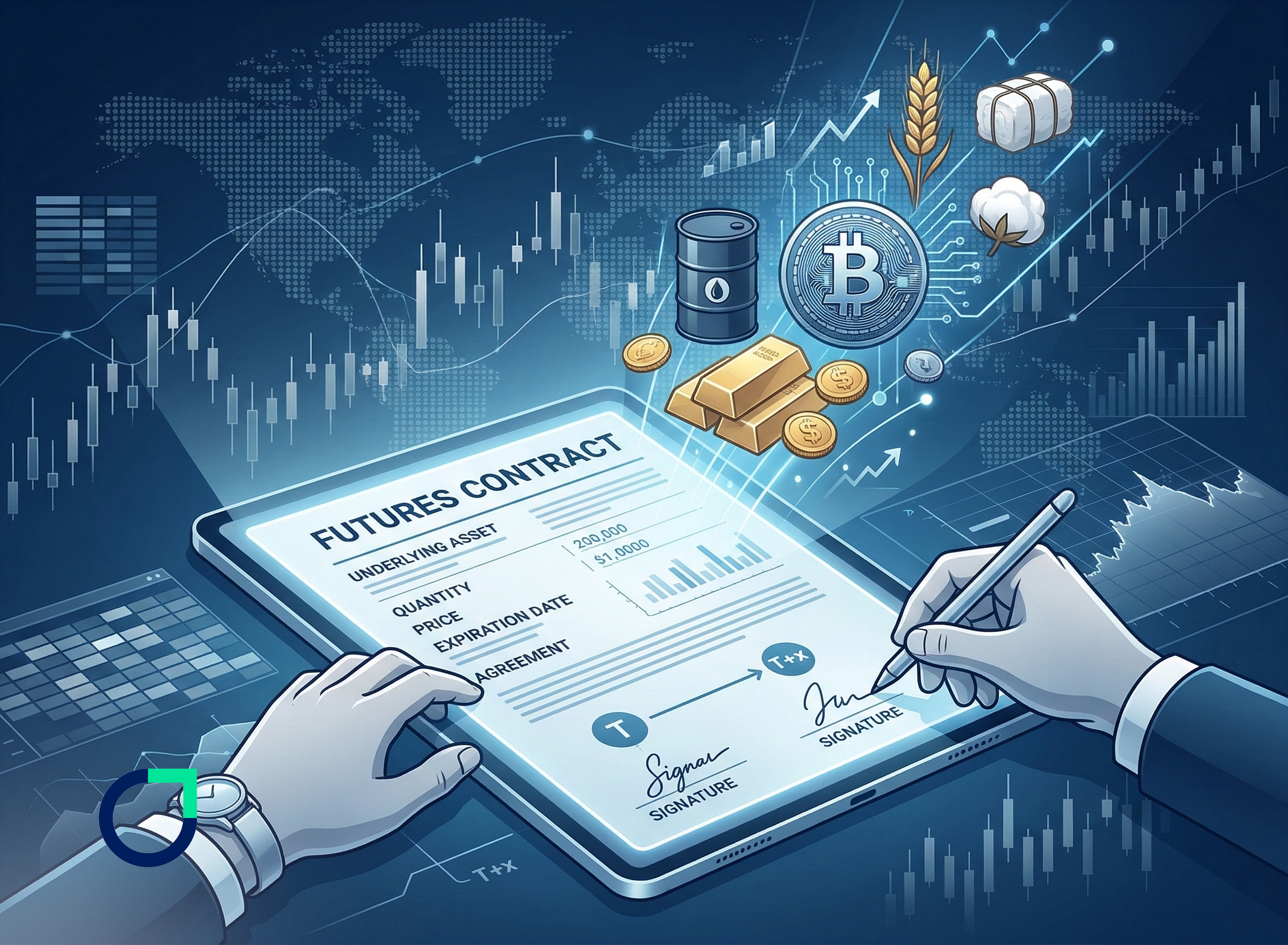
what are futures in trading
Introduction
Numerous asset trading methods exist within financial markets, including currency trading where traders often explore topics such as What are exotic currency pairs in Forex.”
. Approaches include a stock trader buying and holding onto their holdings for years or a currency/commodity/cryptocurrency trader making trades in a shorter time period. Futures markets are one of the major contributors to global finance by enabling speculation on future asset price movement.
The concept of futures trading can be confusing for people new to the field of trading. The thought of trading something now based upon a future projected value does seem confusing to new traders but once you learn how the structure of this kind of transaction works then futures trading makes more sense to the average trader. When investors enter into a futures market transaction they are simply agreeing today to buy/sell an asset for a specific future date.
Initially futures markets were designed for farmers and producers. The wheat farmer could lock in their selling price several months before their crop was harvested and thus protect himself from a drop in prices from when he crops his wheat. As time progressed, other people entered into these markets (financial institutions, hedge funds, and individual traders) for purposes of speculating on price movement.
Currently futures contracts are traded for many different types of sectors such as stock market indices, commodity, currencies, bonds, or cryptocurrency in order to gain speculative profits from price movement.
What Is Futures Trading?
Futures trading involves the buying and selling of contracts that commit both buyer and seller together for an exchange of assets at an established price on an agreed upon future date. The initial purchase does not take place when a purchase/sale agreement is signed. Instead, the price is established at the time of signing. However, the actual exchange of the asset will happen at the future settlement date.
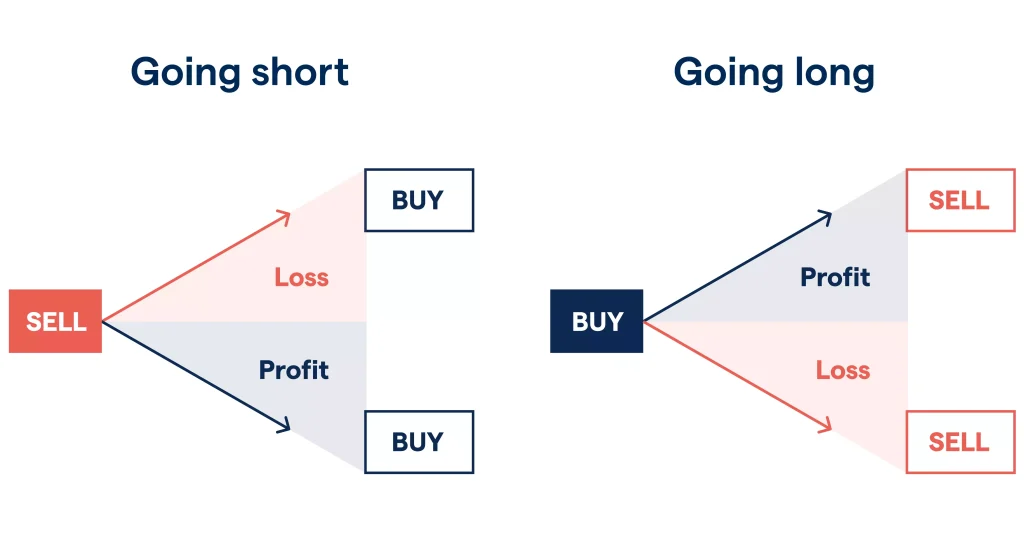
In other words, futures trading provides an opportunity for speculation as to whether or not the price of an asset will increase in value in the coming months. If a trader expects a future increase in the price of an asset, he/she may choose to buy futures contracts. Conversely, if a trader expects future declines in the price of an asset, he/she may choose to sell/short futures contracts.
This structure makes futures markets highly attractive for speculation and hedging. A trader does not need to own the physical asset to participate. Instead, they trade contracts whose value is tied to the underlying asset.
What Is a Futures Contract?
A futures contract is an agreement that is traded on a futures exchange in standard form that includes specifications such as the asset underlying the trade (example: a crude oil future will specify the size of the delivery as well as the expiration date) and how the asset will be delivered. For example, a crude oil future will represent 1,000 barrels of crude oil with an expiration in 6 months; however very few traders hold the contract until expiration so physical delivery is rare.
How Futures Trading Works
The mechanics of future trading revolve around price speculation and margin requirements. Traders do not typically pay the full value of a contract upfront. Instead, they deposit a portion of the contract value known as margin.
This margin acts as collateral. It allows traders to control larger positions with relatively smaller capital, which is why futures markets are often associated with leverage.
When prices move in favor of a trader’s position, profits are credited to their account. When prices move against them, losses are deducted. This process occurs continuously throughout the trading day.
Spot Market vs Futures Market
Although both spot and futures markets involve trading assets, they operate differently.
| Feature | Spot Market | Futures Market |
| Settlement | Immediate exchange of asset | Delivery at future date |
| Ownership | Asset is owned immediately | Contract represents future agreement |
| Leverage | Usually lower | Often higher |
| Expiration | No expiration | Contracts have expiration dates |
| Purpose | Immediate buying or selling | Speculation or hedging |
Spot markets are commonly used for direct asset ownership, while futures markets are widely used for speculation and risk management.
For traders comparing Spot vs futures Trading, the key difference lies in timing and leverage.
Key Trading Mechanics in Futures Markets
Margin and Leverage Explained
Utilizing leverage, traders are able to control large amounts of contracts without having to pay for the entire contract in advance. For instance, if a contract costs $50,000, the broker can require the trader to only put down a 10% margin (or $5,000.00) upfront.
However, due to how much larger the deals are in size when leveraging (due to the total contract cost being so large relative to the margin), the importance of risk management by traders becomes increasingly important because of how leveraged trading can either increase your profit or loss by large dollar amounts.
What is Mark-to- Market?
Mark-to-market is the daily process by which futures accounts are adjusted based on the gain/loss based on the closing prices from the last trading day.
If you have a profitable position a gain for the day will be added to your account; if you have a loss on a position, then you will have a loss taken from your account.
Tick Size and Tick Value
Ticks are the increments in which prices can move on futures contracts. The amount that a contract can change on a trade is the tick size. For example, suppose you have a contract that has a tick size of $0.25 and where 1 tick equals $12.50; when completing a trade to buy or sell 1 tick, the price of the contract will change by that dollar amount.
Types of Futures Based on Underlying Assets
Stock Index Futures
Futures contracts for stock market indexes track the performance of the S&P 500 or NASDAQ to allow traders to speculate on future stock market price movements.
Commodity Futures (Energy, Metals, Agriculture)
Futures contracts of commodities such as crude oil, natural gas, gold, wheat and corn are among the oldest types of futures contracts used in trading.
Currency Futures
Foreign currency exchange rate futures contracts allow for speculation on the changes in exchange rates between the euro, yen and US dollar.
Interest Rate and Bond Futures
Interest rate and bond futures contracts are often used by institutional investors to hedge against risk from fluctuating interest rates and government debt.
Cryptocurrency Futures
Futures contracts of cryptocurrencies have become increasingly popular recently as they allow traders to speculate on the price movements of digital currencies without directly owning the currency.
Who Participates in the Futures Market?
Hedgers
Companies and producers use futures to protect themselves from price fluctuations. For example, airlines hedge fuel costs using energy futures.
Speculators
Speculators aim to profit from price movements. They do not necessarily intend to take delivery of the underlying asset.
Institutional Investors
Large institutions such as hedge funds and investment banks use futures markets to manage large portfolios.
Retail Traders
Individual traders participate through online trading platforms such as otet and other regulated brokers.
Going Long vs Going Short in Futures
One of the advantages of futures markets is that an investor can take advantage of the future price of an asset through either selling or buying. If an investor believes that an asset will increase in value, they can go long on that asset with a future contract. If, on the other hand, an investor has a belief that an asset will decrease in value, they can go short on the asset with a future contract. Traders have a relatively simple mechanism to short sell in a futures market, giving them opportunities to profit from both long and short positions depending on whether the market is moving in an upward (long) or downward (short) direction.
Advantages and Risks of Futures Trading
Advantages
- High liquidity in major contracts
- Ability to trade both long and short
- Leverage allows larger market exposure
- Useful for hedging and speculation
Risks
- Leverage amplifies losses
- Market volatility can trigger margin calls
- Contracts have expiration dates
- Requires strong risk management discipline
How to Start Trading Futures (Step-by-Step)
Select a Regulated Broker
The first step to trading in futures is choosing a regulated broker to give you access to the futures market. There are many brokers with sophisticated trading platforms and tools available for you to use.
Understand Margin Requirements
Traders need to be aware of the amount of margin required for each contract they want to trade prior to making their trades. In this way, the trader can ensure that they have sufficient account equity to trade.
Start with Demo or Micro Contracts
Beginners often start with demo accounts or smaller contracts. This allows them to practice strategies before risking larger capital.
Some traders also connect futures accounts to platforms like metatrader5 account environments for analysis and charting.
Futures Market Regulation and Oversight
Regulatory organizations are responsible for monitoring all trading activities within the futures market; they also enforce rules prohibiting the manipulation of the market. Futures markets must also comply with very stringent regulations to ensure the trading of the futures markets is fair and that it is transparent. Examples of regulatory bodies in the United States include the Commodity Futures Trading Commission (CFTC), or the Chicago Mercantile Exchange (CME). Exchanges have their own set of operational procedures or guidelines. The regulatory process is designed to ensure that all futures contracts are standardized (as opposed to having their own, unique contracts) and that the same rules apply equally to all participants in the market.
Conclusion
Futures markets are essential to the global finance system and allow trades, corporations, and institutions to hedge against price fluctuations and speculate on the direction of future price fluctuations in a structured way.
Futures trading offers many exciting possibilities; however, it requires commitment and education about the different types of futures contracts with regards to leverage, margin requirements, and expiration dates that can create complexity in trading which need to be carefully handled by each trader when they enter into a futures trade.
Individuals who want to take the time to educate themselves and to properly practice their risk-management skills, will find that futures markets can be an integral component when creating a diversified investment strategy.
FAQ
What Are Futures in Trading?
A future is an agreement made on a specific price in a specific time period to purchase or sell a commodity and/or financial product such as stocks, currencies, or bonds.
How much money do I need to start trading futures?
The required capital varies depending on the contract and broker. Some micro contracts allow traders to start with relatively small amounts of capital.
Are futures suitable for beginners?
Futures can be an excellent trading instrument for beginners if the trader has a good understanding of the meaning of leverage, how margins work, and risk management prior to entering the futures markets.
Share
Hot topics
Forex Gold Trading Strategy: A Complete Guide for 2026
Introduction Gold has always been an important element in the world of finance. Even before our modern system of currencies was established, gold was considered to be a safe haven...
Read more

Submit comment
Your email address will not be published. Required fields are marked *