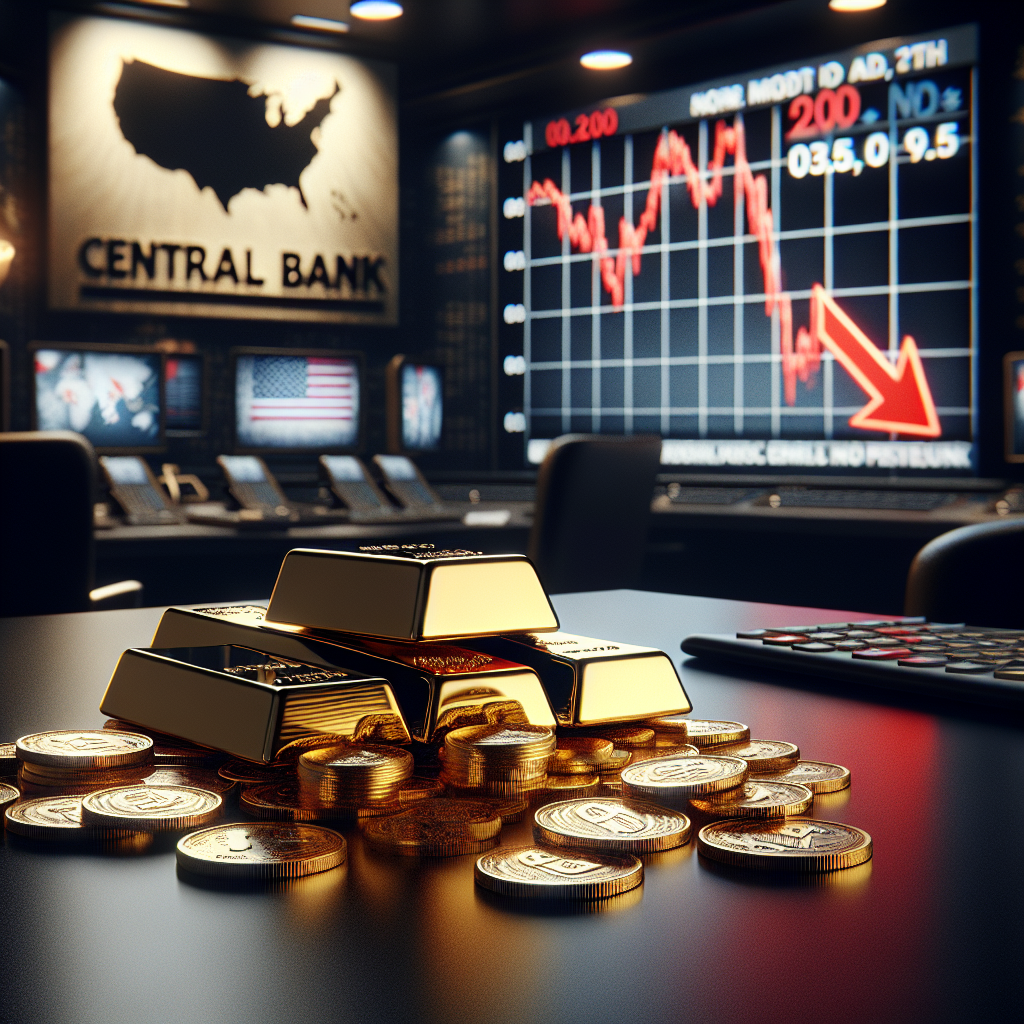
Gold Slumps as Inflation and Rate Concerns Override Geopolitical Tensions
Spot gold slid 4.6% to $4,287.05 an ounce by 02:18 ET (06:18 GMT) on Monday, while gold futures dropped 6.1% to $4,323.31 per ounce. Spot prices touched their weakest level since late December, largely reversing year-to-date advances. Other precious metals also moved lower, with spot silver down 2.7% at $65.9005 per ounce and spot platinum falling 3.9% to $1,850.81 per ounce.
Geopolitical Escalation Fails to Support Bullion
The price decline came even as geopolitical tensions intensified. Over the weekend, U.S. President Donald Trump issued a 48-hour deadline for Iran to reopen the Strait of Hormuz, warning that the U.S. would “obliterate” critical energy infrastructure if Tehran did not comply. Iran responded by threatening attacks on key energy and water infrastructure across the Middle East and warned it would completely close the strait.
Reports indicated that hostilities between Iran and Israel continued over the weekend, with the conflict entering its fourth consecutive week. Despite this backdrop, gold has largely failed to benefit from traditional safe haven flows linked to geopolitical risk stemming from the Iran war.
Inflation and Central Bank Policy Drive Market Focus
According to the report, concerns about the inflationary impact of the Iran war have weighed on gold prices over the past three weeks, pushing the metal well below key levels and limiting scope for recovery. Markets are increasingly focused on the risk that a prolonged conflict could drive global inflation higher through elevated energy prices, leading to a more hawkish stance from major central banks.
Last week, both the European Central Bank and the Bank of England signaled potential interest rate hikes this year. While the Federal Reserve did not indicate any forthcoming rate hikes, market participants were seen steadily pricing out expectations for rate cuts in 2024. Analysts at OCBC noted that “the market is trading less on geopolitical hedging flows and more on fears that stickier inflation could prompt a more hawkish central bank stance,” underscoring the shift in drivers for precious metals pricing.
FAQ
How much did gold prices fall on Monday in Asian trade?
Spot gold fell 4.6% to $4,287.05 an ounce, while gold futures declined 6.1% to $4,323.31 per ounce by 02:18 ET (06:18 GMT).
Why are gold prices declining despite the Iran-related conflict?
Gold prices are being pressured by concerns over higher and stickier inflation and the prospect of a more hawkish stance from major central banks, which are outweighing traditional safe haven demand linked to geopolitical tensions.
How did other precious metals perform?
Spot silver dropped 2.7% to $65.9005 per ounce, and spot platinum fell 3.9% to $1,850.81 per ounce on Monday.
What have central banks signaled regarding interest rates?
The European Central Bank and the Bank of England signaled potential rate hikes this year, while the Federal Reserve did not signal any hikes but markets have been pricing out expectations for rate cuts in 2024.
Share
Hot topics
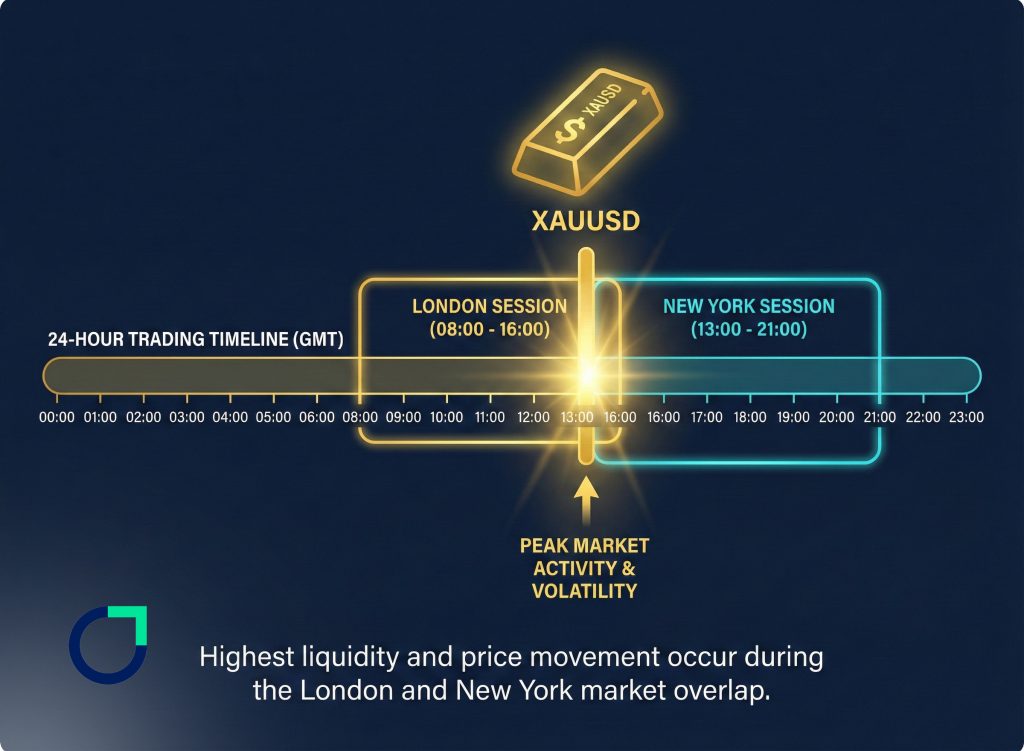
Best Time to Trade Gold (XAU/USD) in Forex
Introduction If you’ve ever observed gold move during a significant news release, you understand that timing is extremely important. Gold can be calm for hours before exploding with momentum. For...
Read more



Submit comment
Your email address will not be published. Required fields are marked *