
Gold Edges Higher in Asia but Heads for Second Weekly Loss on Inflation and Fed Concerns
Spot gold rose 0.3% to around $5,103 per ounce in early Asian trade, with gold futures also edging higher. Despite this intraday gain, prices were still set for a second straight weekly decline. Analysts attributed the weaker weekly trend to the inflationary impact of higher oil prices linked to the Iran war, which is seen as limiting the Federal Reserve’s room to ease monetary policy.
Oil Shock, Inflation Fears, and Central Bank Outlook
The Iran war has driven oil prices higher, prompting concerns that the resulting inflation pressures will complicate the Federal Reserve’s rate path. According to analysts, inflation remains “too high,” and even a “temporary” oil spike adds uncertainty to the timing and scale of any future rate reductions.
Markets’ hopes for imminent Fed interest-rate cuts are “rapidly fading away” as energy costs climb. The U.S. dollar has strengthened to a three-month high, adding another headwind for gold, which is typically pressured by a firmer dollar and the prospect of higher-for-longer interest rates.
The shifting inflation and policy landscape is not limited to the United States. BofA Global Research has delayed its call for the first Bank of England rate cut to June, citing revived inflation risks from higher energy prices. Societe Generale has also highlighted rising stagflation risks, expressing concern for all risk assets under such a scenario.
Gold’s Safe-Haven Role and Market Volatility
Despite the recent weekly declines, gold prices remain at historically elevated levels above $5,000 per ounce. Safe-haven demand tied to ongoing geopolitical uncertainty has helped support bullion, even as macroeconomic dynamics exert downward pressure.
Analysts observed that gold has not appreciated as much as some had anticipated since the Iran conflict began. One explanation offered is that the oil price shock and resulting inflation fears are indirectly weighing on gold by dampening expectations for monetary easing. The VIX volatility index stood at 27.29, indicating heightened market uncertainty amid geopolitical tensions and shifting central bank expectations.
FAQ
Why are gold prices heading for a second weekly loss?
Gold is on track for a second consecutive weekly decline because the Iran war-driven surge in oil prices has raised inflation concerns, reducing expectations for Federal Reserve rate cuts and supporting a stronger U.S. dollar, which pressures gold.
What is supporting gold prices despite the weekly declines?
Gold remains supported by safe-haven demand driven by geopolitical uncertainty, keeping prices at historically elevated levels above $5,000 per ounce.
How has the Iran war affected central bank rate expectations?
The conflict has pushed oil prices higher, reviving inflation risks and complicating the Federal Reserve’s and Bank of England’s rate-cut paths. Markets now see reduced chances of near-term rate cuts, and BofA Global Research has delayed its Bank of England rate-cut call to June.
What role does the U.S. dollar play in current gold pricing?
The U.S. dollar has strengthened to a three-month high as inflation concerns and reduced Fed rate-cut expectations grow, putting additional downward pressure on gold prices.
Share
Hot topics
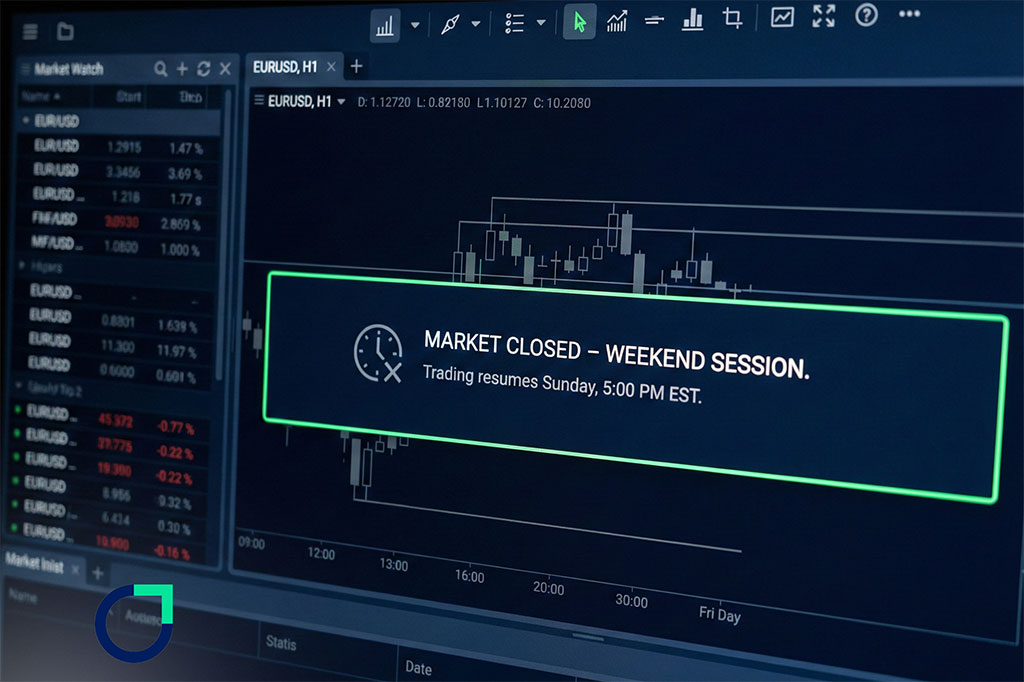
Forex Holidays | When the forex market is closed
Every trader who has opened their trading platform on a weekday and seen slow price movement, wider spreads, or even partial market closures has experienced the effects of forex holidays....
Read more




Submit comment
Your email address will not be published. Required fields are marked *