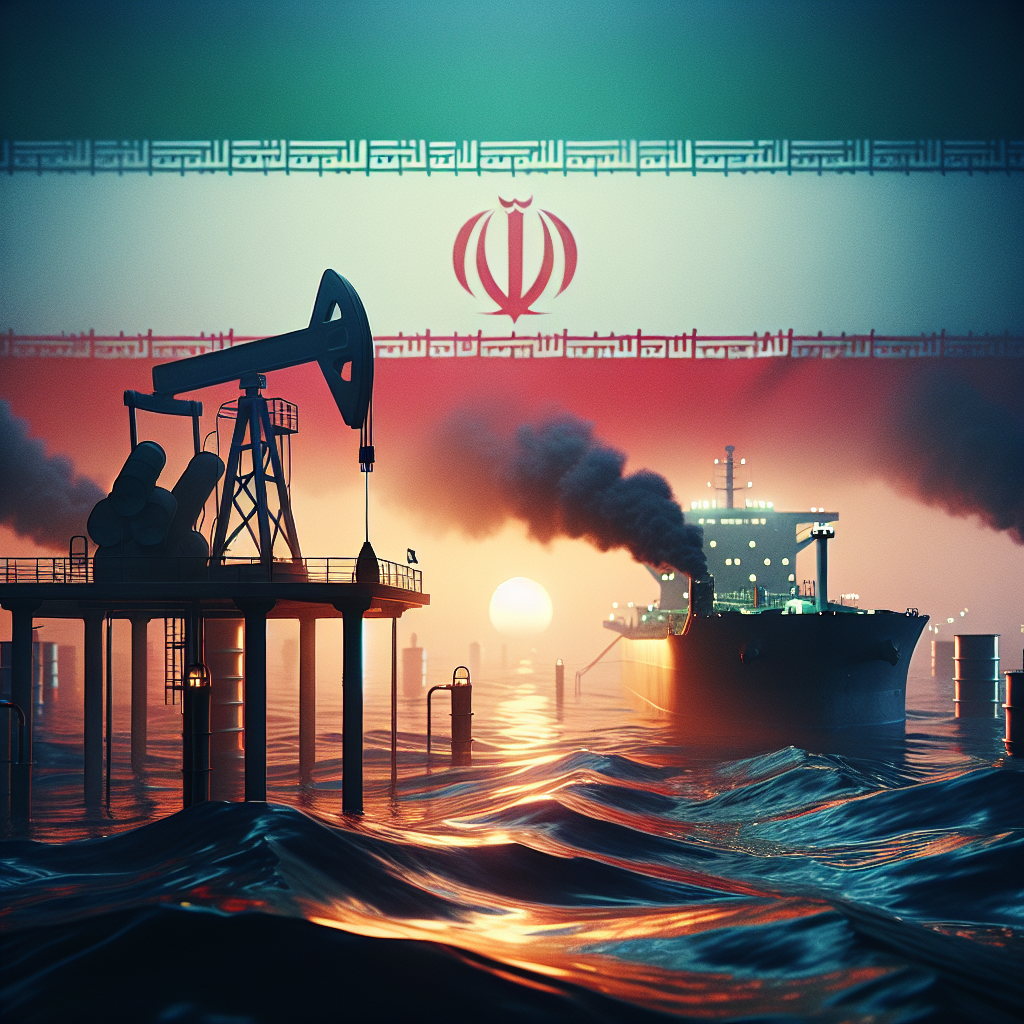
Oil Prices Jump Over 7% as US-Israel-Iran Tensions Escalate
Oil Market Reaction and Asset Moves
Crude oil futures climbed above $80 per barrel for the first time in months on Monday as markets responded to escalating tensions over the weekend. The price spike reflected investor fears that the conflict could disrupt oil supplies from the Middle East, a key producing region.
The move in oil was accompanied by gains in the energy sector, which rose significantly in response to the higher price environment. Defense stocks also rallied as geopolitical risks increased. At the same time, gold prices advanced more than 2% as investors sought safety.
Broader equity markets weakened, with stock futures falling sharply. Dow futures were down more than 300 points in pre-market trading, highlighting concerns about the potential economic fallout. The shift in positioning underscored a broader risk-off mood across financial markets.
Geopolitical Developments and Economic Concerns
The market reaction followed joint US-Israeli strikes on Iran, after which Iran’s Supreme Leader Ali Khamenei was confirmed dead. Iran has retaliated with missile strikes and has threatened to disrupt shipping through the Strait of Hormuz, a critical chokepoint for global oil supplies.
These developments have heightened concerns about regional instability and possible interruptions to global supply chains. Economists warn that if oil prices remain above $100 per barrel for a sustained period, this could reignite inflation pressures and weigh on economic growth. Energy-importing economies, including China, are viewed as particularly exposed to prolonged elevated energy costs.
The situation remains fluid. Iran’s security chief has stated that Tehran “will not negotiate” with the US, signaling that tensions could escalate further and continue to influence commodity and financial markets.
FAQ
Why did oil prices rise more than 7% on Monday?
Oil prices increased over 7% as markets reacted to escalating tensions between the US, Israel and Iran, raising fears of supply disruptions in the Middle East, particularly around the Strait of Hormuz.
Which assets benefited from the geopolitical tensions?
The energy sector and defense stocks saw significant gains, while gold prices rose more than 2% as investors shifted into safe-haven assets.
How did equity markets respond to the developments?
Stock futures fell sharply, with Dow futures dropping more than 300 points in pre-market trading, reflecting investor concerns about geopolitical risks and potential economic impacts.
What are economists concerned about if oil prices stay elevated?
Economists warn that sustained oil prices above $100 per barrel could reignite inflation concerns and slow economic growth, especially in energy-importing countries such as China.
Share
Hot topics

What Is a Forex PAMM Account? Complete Guide
Introduction If you’ve ever wanted to invest in Forex but had reservations about doing it alone, you’re not by yourself! Many people are interested in investing in the Forex market...
Read more


Submit comment
Your email address will not be published. Required fields are marked *