
Oil Prices Retreat as Iraq-Kurdistan Export Deal Adds Supply, Geopolitical Risks Persist
Oil Market Pullback on Iraq-Kurdistan Agreement
Brent crude futures fell more than 2% in Asian trading to around $100.75 per barrel, while West Texas Intermediate (WTI) crude declined to about $91.85 per barrel. The move marked a pullback from recent strong gains.
The price decline followed an announcement that Iraqi and Kurdish authorities had reached a deal to resume oil exports from the Kurdistan region. The agreement is expected to add approximately 300,000 to 400,000 barrels per day to global supply, easing some concerns about tight market conditions.
Despite the latest drop, benchmark crude prices remain well above $90 per barrel, reflecting ongoing supply risks and elevated geopolitical uncertainty.
Geopolitical Tensions and Fed Decision Support Prices
Market participants continue to monitor the Iran-Israel-U.S. conflict and its potential impact on energy flows through the Strait of Hormuz, a key maritime chokepoint through which about one-fifth of global oil supply transits. Fears of prolonged disruptions in this corridor are helping keep oil prices elevated.
Analysts at OCBC noted that oil prices are likely to remain above $100 per barrel in the near term, citing the lack of clear signs of de-escalation in the Iran conflict. This assessment underscores the dominance of geopolitical risk premia in current oil pricing dynamics.
In parallel, markets are closely watching the Federal Reserve’s interest rate decision scheduled for later on Wednesday. The outcome could influence the U.S. dollar and broader commodity markets, including oil.
Gold prices moved lower ahead of the Fed meeting, slipping below $5,000 per ounce as uncertainty over the future path of interest rates grew. The shift reflects cautious positioning by investors awaiting clearer monetary policy signals.
FAQ
Why did oil prices fall in Asian trade on Wednesday?
Oil prices fell after Iraqi and Kurdish authorities announced a deal to resume oil exports from the Kurdistan region, which is expected to add 300,000 to 400,000 barrels per day to global supply.
What is keeping oil prices elevated despite the pullback?
Prices remain elevated due to concerns that the Iran-Israel-U.S. conflict could lead to prolonged disruptions in oil shipments through the Strait of Hormuz, a route for about one-fifth of global oil supply.
What do analysts expect for near-term oil prices?
OCBC analysts indicated that oil prices are likely to remain above $100 per barrel in the near term, given the limited signs of de-escalation in the Iran conflict.
How are gold prices reacting ahead of the Federal Reserve meeting?
Gold prices have fallen below $5,000 per ounce as markets grow more uncertain about the interest rate outlook ahead of the Federal Reserve’s decision.
Share
Hot topics

What is News Trading in Forex? A Complete Guide to Event-Driven Strategy
Introduction If you have ever watched the forex market during a major economic announcement, you know how dramatic it can be. Prices jump within seconds. Spreads widen. Volatility explodes. For...
Read more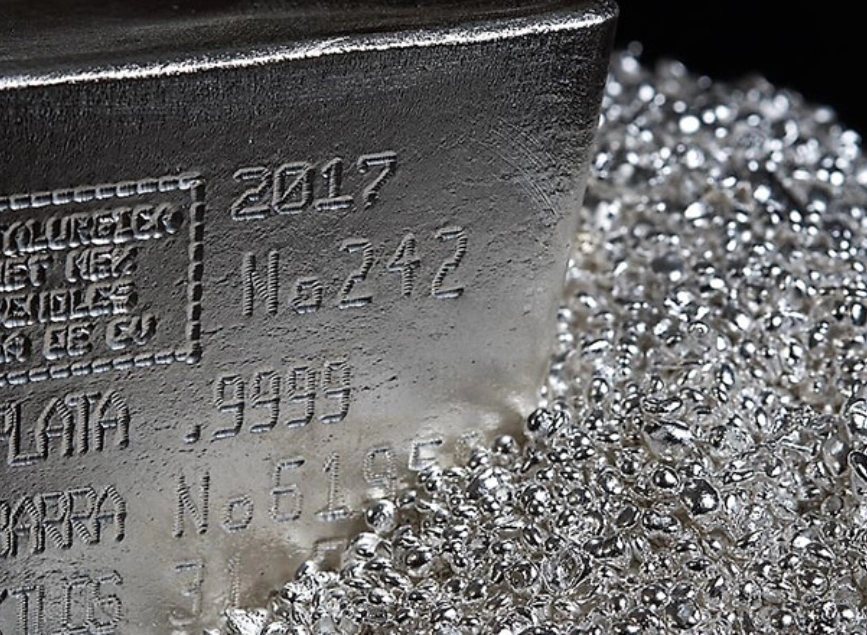




Submit comment
Your email address will not be published. Required fields are marked *