Oil Prices Surge Toward $110 After Trump Threatens Escalation Against Iran
Oil Markets React to Escalation Threat
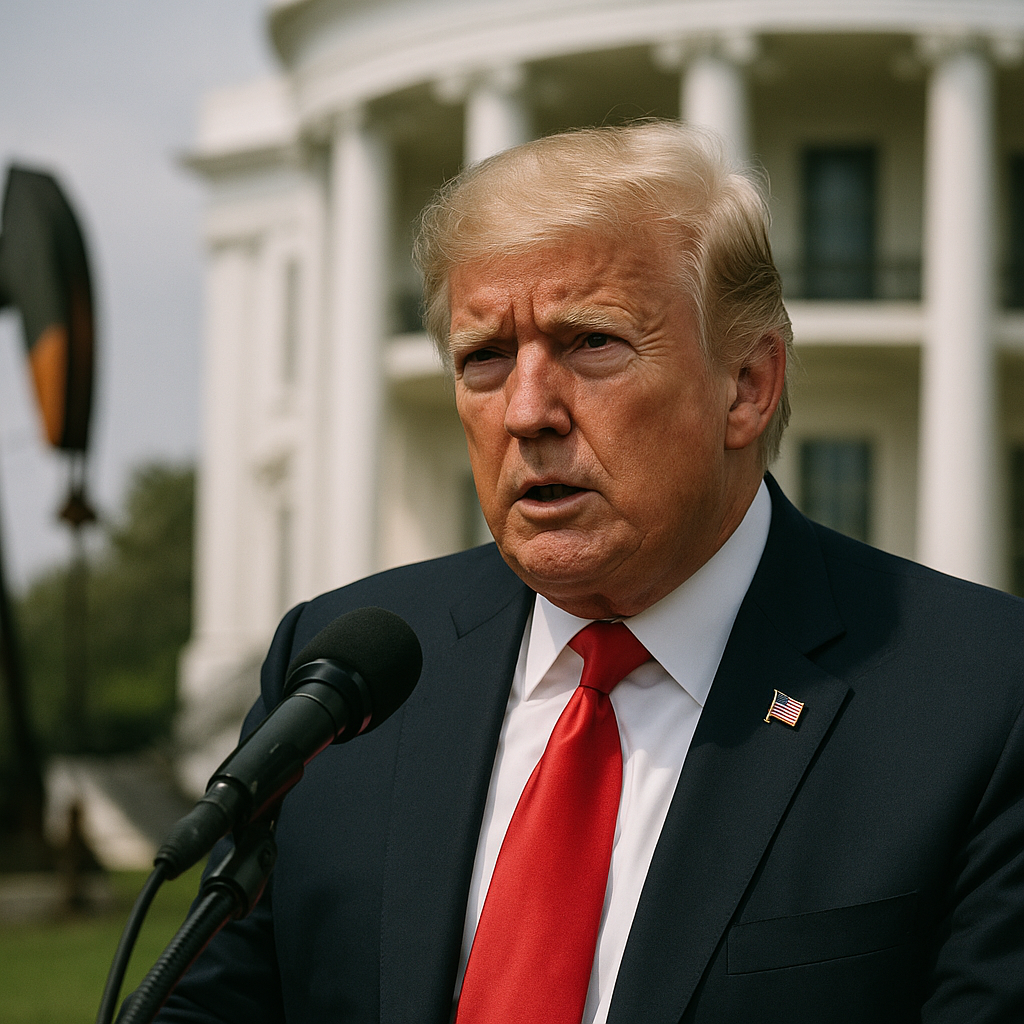
Brent crude futures climbed over 6% to $107.72 per barrel on Thursday, while WTI crude rose more than 6% to $106.13 per barrel. The latest price spike follows comments by President Trump on Wednesday evening, in which he signaled the possibility of expanded U.S. military action against Iran in the coming two to three weeks.
Trump’s remarks undermined expectations for a near-term ceasefire in the U.S.-Israel war on Iran, which has now passed the one-month mark with no signs of easing. Oil prices have risen sharply from around $70 per barrel before the conflict began, reflecting persistent supply concerns and heightened geopolitical risk.
Strait of Hormuz Disruption and Global Impact
The conflict has effectively blocked the Strait of Hormuz, a key maritime chokepoint that supplies about 20% of the world’s oil. This disruption has been a central driver of energy market volatility since hostilities started, contributing to severe dislocation in global oil flows.
President Trump reiterated that the U.S. will not push to reopen the Strait of Hormuz, stating that countries dependent on the passage should manage it themselves. This stance has added to market uncertainty over how and when normal shipping operations through the strait might resume.
Asian economies, which rely heavily on Middle Eastern oil imports, have been particularly affected by the disruption at Hormuz. With no visible progress toward de-escalation and the conflict now extending beyond one month, energy markets remain unsettled as traders weigh the risk of further supply constraints.
FAQ
Why did oil prices surge on Thursday?
Oil prices surged after President Donald Trump threatened to escalate military action against Iran within the next two to three weeks, increasing concerns about supply risks in an already disrupted market.
How high did Brent and WTI crude prices rise?
Brent crude futures rose over 6% to $107.72 per barrel, while WTI crude climbed over 6% to $106.13 per barrel.
What is the role of the Strait of Hormuz in this situation?
The Strait of Hormuz, which supplies about 20% of the world’s oil, has been effectively blocked due to the Iran war, severely disrupting global energy markets and particularly affecting Asian economies dependent on Middle Eastern oil imports.
What is the U.S. position on reopening the Strait of Hormuz?
President Trump stated that the U.S. will not push to reopen the Strait of Hormuz and called on countries that depend on the passage to handle it themselves.
Share
Hot topics

What is Balance in Forex? A Complete Guide for Traders
Introduction When you open a trading account for the first time, one of the first numbers you see on your screen is your balance. It looks simple. It looks clear....
Read more


Submit comment
Your email address will not be published. Required fields are marked *