
European stocks retreat as Iran conflict escalation drives oil higher
European equity markets reverse recent gains
As of 03:10 ET (07:10 GMT) on Thursday, the pan-European Stoxx 600 fell 1.2%, while Germany’s DAX dropped 1.5%, France’s CAC 40 slid 1.2% and the U.K.’s FTSE 100 declined 0.7%. The moves erased part of a two-day rally that had added more than 2.5% to the regional benchmark on expectations that the war was nearing its end.
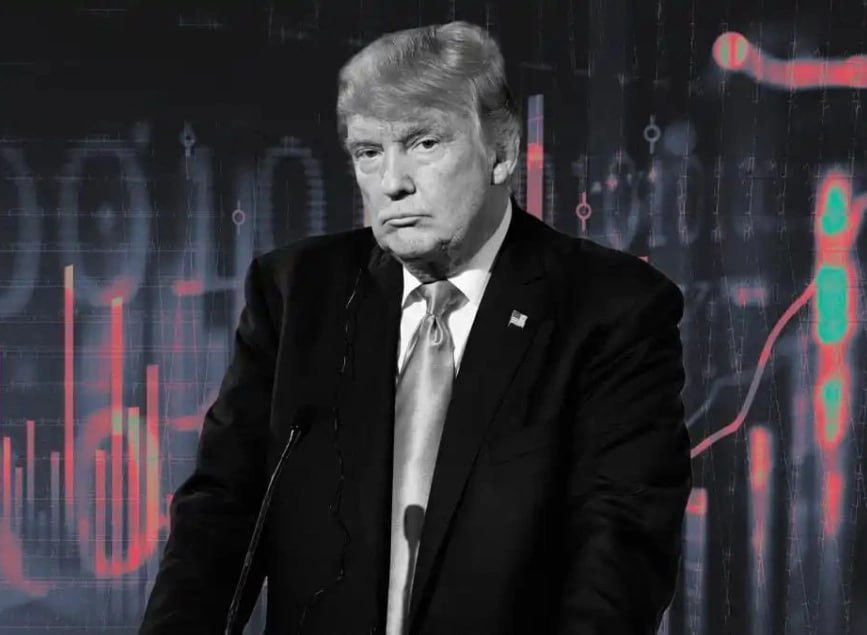
The shift in sentiment followed a prime-time address from President Donald Trump on Wednesday evening, in which he pledged to intensify U.S. military operations over the coming weeks and provided no firm timeline for ending the five-week-old conflict. He stated, “We’re going to hit them extremely hard over the next two to three weeks,” and reiterated a threat to strike Iran’s electricity infrastructure if Tehran did not accept a deal.
Iran denied that any direct talks with Washington had taken place and rejected Trump’s earlier claim that Tehran had requested a ceasefire.
Oil, commodities and sector implications
Energy markets reacted sharply. Brent crude futures climbed over 6% to above $107 a barrel in early European trade, reversing the prior session’s decline. The move revived concerns about a prolonged disruption of supplies through the Strait of Hormuz, a key chokepoint for roughly a fifth of the world’s oil that Iran has effectively blocked since hostilities began in late February. Brent has traded in a wide range during the conflict, from around $70 a barrel before the war to a high of nearly $120.
Trump also said the United States would not lead efforts to reopen the Strait of Hormuz, urging oil-dependent countries to secure access themselves or purchase U.S. energy.
In corporate and sector developments, Shell is in advanced talks with Venezuela to expand gas development across multiple offshore fields, targeting access to approximately 20 trillion cubic feet of reserves. In aviation, Ryanair CEO Michael O’Leary warned that jet fuel supplies to Europe could face disruption from June if the Middle East conflict persists, while Lufthansa separately highlighted early signs of supply tightness, particularly in Asia.
Precious metals retreated after a ceasefire-driven rally in the previous session. Spot gold fell 3.5% to $4,643 per ounce, while silver dropped 6.9% to $70.77 per ounce, following a 2% jump in gold prices the day before.
FAQ
Why did European stocks fall on Thursday?
European stocks declined as renewed expectations of an escalation in the Iran conflict increased geopolitical risk and pushed oil prices higher, reversing a recent rally driven by ceasefire hopes.
How did oil prices react to Trump’s comments on Iran?
Brent crude futures rose over 6% to above $107 a barrel in early European trade after President Trump pledged to intensify military operations and offered no clear timeline for ending the conflict.
What were the key moves in precious metals?
Spot gold fell 3.5% to $4,643 per ounce and silver declined 6.9% to $70.77 per ounce, giving back gains after gold had risen 2% in the previous session on ceasefire expectations.
Which companies highlighted potential energy supply issues?
Ryanair CEO Michael O’Leary warned of potential jet fuel supply disruption to Europe from June if the conflict continues, and Lufthansa reported early signs of supply tightness, particularly in Asia.
Share
Hot topics

What is Balance in Forex? A Complete Guide for Traders
Introduction When you open a trading account for the first time, one of the first numbers you see on your screen is your balance. It looks simple. It looks clear....
Read more

Submit comment
Your email address will not be published. Required fields are marked *