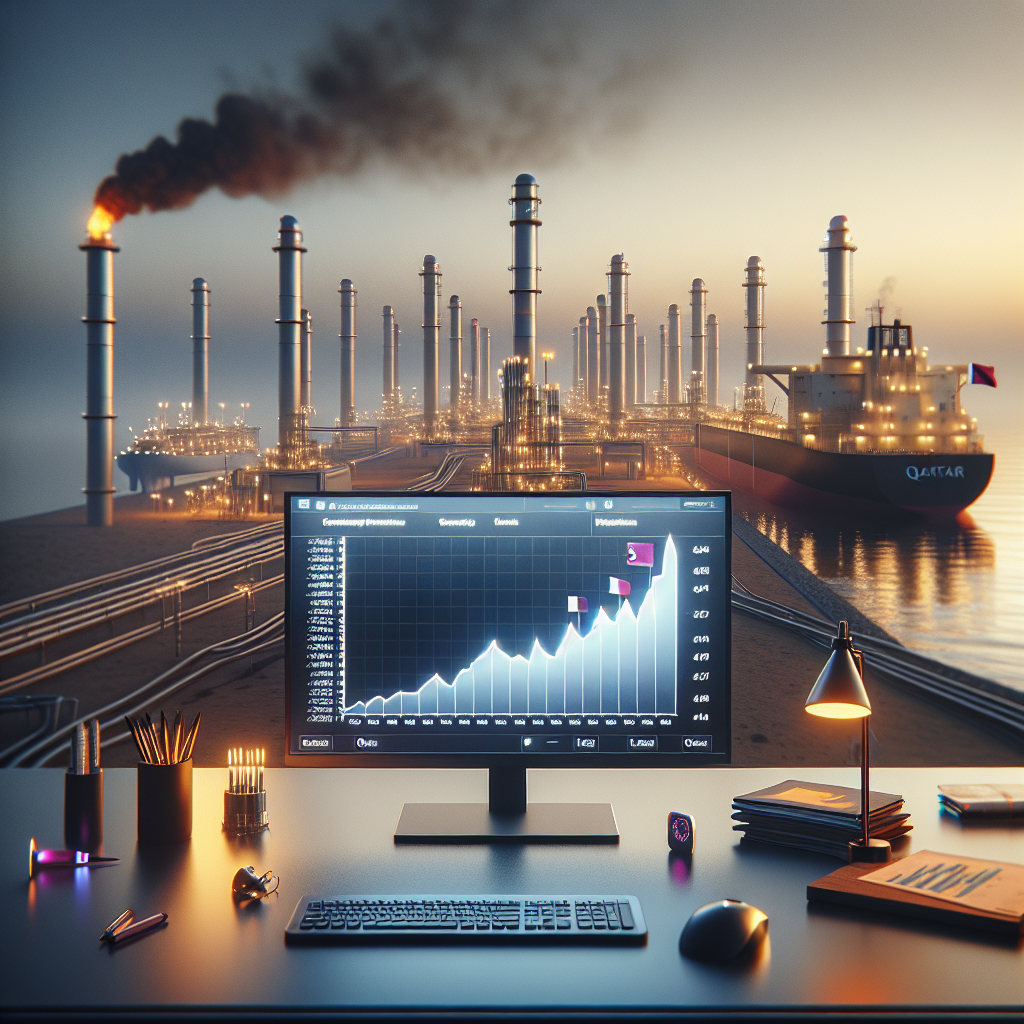
European Gas Prices Jump 25% After Attacks on Middle Eastern Energy Infrastructure
European Gas Benchmark Spikes on Supply Concerns
European gas prices, measured by the TTF natural gas benchmark, registered a sharp 25% increase on Thursday. The move was driven by traders’ fears of supply disruptions after a wave of attacks on key energy facilities across the Middle East.
Iran's South Pars gas field, described as the world's largest natural gas deposit, was targeted in air strikes. In response, Iran launched retaliatory attacks on energy facilities in Qatar, the UAE, and Saudi Arabia. These events have heightened concerns across global energy markets, particularly regarding the reliability of LNG flows from the region.
The situation was compounded by the status of the Strait of Hormuz, a critical maritime chokepoint for global LNG shipments, which remained largely closed. This closure has further intensified worries about constrained supply routes and the potential for prolonged market volatility.
Implications for Europe’s Energy Security and Inflation
European countries have been working to reduce their reliance on Russian gas since the 2022 invasion of Ukraine, increasing their dependence on alternative suppliers, including those in the Middle East. Qatar in particular is identified as one of Europe’s key LNG suppliers, making the region’s stability essential for European energy security.
The sudden jump in gas prices introduces additional inflationary pressures at a time when the European Central Bank and the Bank of England are already contending with elevated inflation levels. Higher energy costs can feed through to broader price increases across the economy, complicating monetary policy decisions.
Energy analysts warned that if the Iran-Israel conflict continues to escalate, European gas prices could remain elevated for an extended period. Prolonged high prices may force some European countries to consider energy rationing measures to manage constrained supply and protect critical sectors.
FAQ
Why did European gas prices rise by 25%?
European gas prices rose by 25% due to market fears of supply disruptions after attacks on energy infrastructure in the Middle East, including Iran's South Pars gas field and facilities in Qatar, the UAE, and Saudi Arabia, as well as the effective closure of the Strait of Hormuz.
What is the TTF natural gas benchmark?
The TTF natural gas benchmark is the standard reference price for natural gas in Europe and is used by traders and market participants to price gas contracts and assess market conditions.
How does this situation affect European inflation?
The spike in gas prices adds to inflationary pressures in Europe by increasing energy costs, which can feed into higher prices for goods and services, complicating efforts by the European Central Bank and the Bank of England to manage already elevated inflation.
Why is Europe vulnerable to Middle Eastern gas disruptions?
Europe has been diversifying away from Russian gas since 2022 and now relies more on LNG supplies from the Middle East, including Qatar. Disruptions in this region therefore pose a heightened risk to European energy security.
Share
Hot topics

What is News Trading in Forex? A Complete Guide to Event-Driven Strategy
Introduction If you have ever watched the forex market during a major economic announcement, you know how dramatic it can be. Prices jump within seconds. Spreads widen. Volatility explodes. For...
Read more




Submit comment
Your email address will not be published. Required fields are marked *