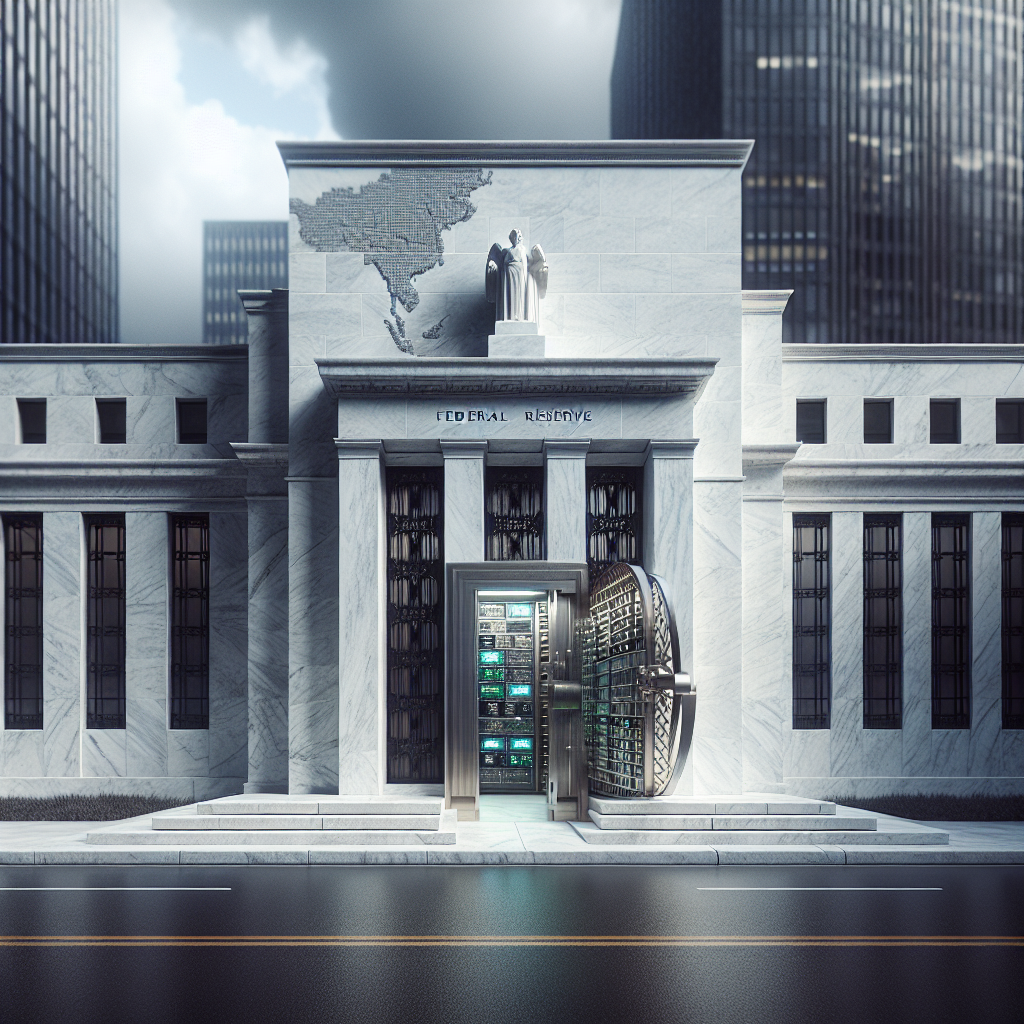
Federal Reserve Proposes Permanent Removal of “Reputation Risk” From Bank Supervision
Fed Proposal Targets Reputation Risk in Supervision
The Federal Reserve’s proposal would codify that “reputation risk” should no longer factor into examination programs, embedding into regulation its June 2025 clarification on the issue. Under the proposal, supervisory decisions would be focused on material financial risks and aim to provide greater clarity and precision in supervisory assessments.
A key element of the initiative is the explicit statement that supervisory decisions should not penalize banks for serving customers engaged in lawful activities, even when those activities relate to politically or socially sensitive sectors. Public comments on the proposal are due within 60 days of its publication in the Federal Register.
Michelle W. Bowman, Vice Chair for Supervision, said in a Monday press release that the Federal Reserve had heard “troubling cases of debanking — where supervisors use concerns about reputation risk to pressure financial institutions to debank customers because of their political views, religious beliefs, or involvement in disfavored but lawful businesses,” adding that such discrimination “does not have a role in the Federal Reserve’s supervisory framework.”
Political and Market Context
The proposal is being introduced against a charged political backdrop, including complaints from digital asset sector participants and some lawmakers about “debanking.” Supporters argue the change could address concerns that crypto firms and other lawful but controversial businesses have faced difficulties accessing banking services.
Senator Cynthia Lummis welcomed the proposal, stating on X that “It’s not the Fed’s role to play both judge and jury for banking digital asset companies” and describing the measure as an “important step to permanently remove ‘reputation risk’ from Fed policy and put Operation Chokepoint 2.0 to rest so America can become the digital asset capital of the world.” The Senate Banking Committee’s GOP account on X added that “No American should lose access to banking services because of their political views, faith, or lawful business. This is a major step toward ending debanking.”
The debate over debanking has also intersected with high-profile litigation. President Donald Trump filed a $5 billion lawsuit against JPMorgan Chase in January, alleging the bank closed multiple accounts for political reasons after the January 6, 2021, Capitol attacks. According to CNBC, JPMorgan acknowledged in a recent court filing that it closed several of Trump’s accounts in February 2021, while maintaining that the lawsuit has no merit.
FAQ
What is the Federal Reserve proposing in this initiative?
The Federal Reserve is proposing to permanently remove “reputation risk” from its bank supervision framework, ensuring supervisory decisions are based on material financial risks and not on the lawful activities of customers.
How does the proposal relate to concerns about debanking?
The proposal responds to concerns that banks have been pressured to terminate relationships with customers based on their political views, religious beliefs, or involvement in disfavored but lawful businesses, by clarifying that such factors should not drive supervisory actions.
What is the timeline for public input on the proposal?
Public comments are due within 60 days of the proposal’s publication in the Federal Register.
How have lawmakers reacted to the proposal?
Senator Cynthia Lummis and the Senate Banking Committee’s GOP account have publicly supported the move, characterizing it as a significant step toward ending debanking and limiting the use of “reputation risk” in supervisory decisions.
Share
Hot topics

What is News Trading in Forex? A Complete Guide to Event-Driven Strategy
Introduction If you have ever watched the forex market during a major economic announcement, you know how dramatic it can be. Prices jump within seconds. Spreads widen. Volatility explodes. For...
Read more




Submit comment
Your email address will not be published. Required fields are marked *