
Bitcoin Suffers Sharpest First-Quarter Decline Since 2018
Bitcoin Extends Six-Month Slide Amid Macro and Geopolitical Pressure
Bitcoin closed the first quarter of 2026 at $66,619 on Tuesday, down from $87,508 on Jan. 1, according to Yahoo Finance data. The 23.8% quarterly drop was the steepest first-quarter decline since 2018, when bitcoin fell 50% from $14,112 to $6,973.
The latest move extends losses from the fourth quarter of 2025, when bitcoin dropped 23% to $87,508 from $114,057. Combined, the world’s largest cryptocurrency has shed about 41.6% of its value over the past six months.
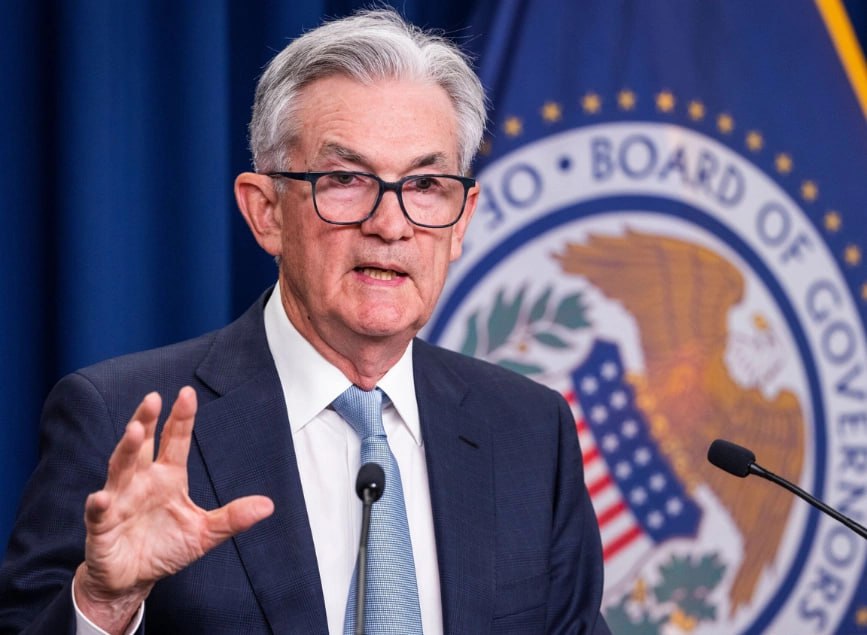
The broader cryptocurrency market has also retreated from its October 2025 all-time high, with escalating geopolitical tensions in the Middle East weighing on sentiment across digital assets and traditional equities. Persistent macroeconomic uncertainty, including sticky inflation and a cautious Federal Reserve stance, has contributed to a broader risk-off tone in markets.
ETF Flows and Regulatory Outlook Seen as Key for Q2
Analysts highlight a reversal in U.S. spot bitcoin exchange-traded fund flows as a key driver of the first-quarter weakness. Andri Fauzan Adziima, Research Lead at Bitrue, said bitcoin’s Q1 decline was driven “primarily by” ETF outflows, alongside inflation concerns, a cautious Fed, and wider risk aversion.
Data from SoSoValue show spot bitcoin ETFs recorded $496.5 million in net outflows during the first quarter. Outflows of $1.8 billion in January and February were partly offset by $1.32 billion in net inflows in March.
Despite the negative price action, analysts report that long-term positioning appears largely unchanged. “There is limited evidence of a structural shift in long-term conviction around bitcoin,” said Min Jung, research associate at Presto Research, citing continued institutional participation and adoption trends, and characterizing the move as more cyclical than fundamental.
Looking ahead to the second quarter of 2026, Jung said a reversal of the downward trend would require greater clarity on the macro backdrop, particularly on developments in the Middle East. U.S. President Donald Trump said earlier today that the U.S.-Iran conflict could end in two to three weeks, even without a deal.
LVRG Research Director Nick Ruck told The Block that an improvement in conditions would likely depend on renewed ETF inflows, clearer progress on crypto-friendly U.S. regulations, and a shift toward easier monetary conditions. As of 2:45 a.m. ET on Wednesday, bitcoin was trading at $69,116, up 2.5% over the past 24 hours.
FAQ
How much did bitcoin fall in the first quarter of 2026?
Bitcoin declined 23.8% in the first quarter of 2026, dropping from $87,508 on Jan. 1 to $66,619 at the quarter’s close.
How does this performance compare to previous years?
This was bitcoin’s worst first-quarter performance since 2018, when it fell 50% from $14,112 to $6,973.
What role did spot bitcoin ETFs play in the decline?
Spot bitcoin ETFs saw $496.5 million in net outflows during the quarter, with $1.8 billion in outflows in the first two months partly offset by $1.32 billion in March inflows, a dynamic analysts cited as a primary factor in bitcoin’s weakness.
What conditions do analysts see as necessary for a trend reversal in Q2 2026?
Analysts point to renewed ETF inflows, clearer progress on crypto-friendly U.S. regulations, greater clarity on the Middle East situation, and a shift toward easier monetary conditions as important for reversing the recent downward trend.
Share
Hot topics

What is Balance in Forex? A Complete Guide for Traders
Introduction When you open a trading account for the first time, one of the first numbers you see on your screen is your balance. It looks simple. It looks clear....
Read more


Submit comment
Your email address will not be published. Required fields are marked *