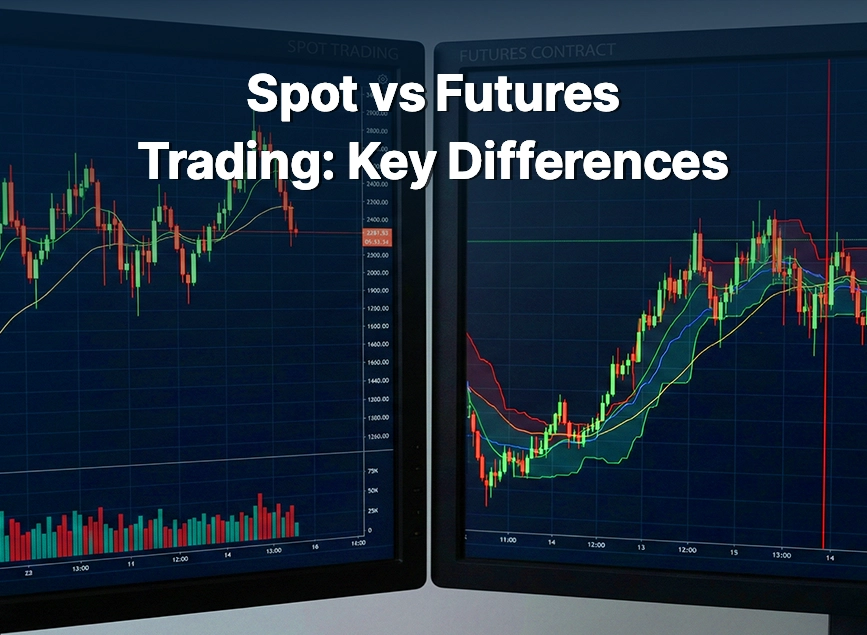
Spot VS Futures Trading Difference
When you step into trading, one of the first choices that you will have to make is whether to trade spot or futures. While spot and futures can initially seem very similar – you buy and sell an asset, look at charts and predict how the price will change – the differences become a lot more important once you look at them more closely, especially in respect to your risk, strategy, and mindset.
This article from otetmarkets will discuss the differences between spot trading and futures trading in a calm and clear fashion, without the use of any heavy jargon or being pressured to act. Just a simple conversation that will help explain how you should understand spot trading and futures trading, and which type of trading may be a better fit for you.
What Does Spot Trading Mean?
Spot trading is the simplest way to trade. When you purchase an asset, you have it right away. There is no expiration date, no contract and no requirement to sell it later.
For instance, when you purchase gold on the spot market, you have purchased gold. When you purchase Bitcoin on the spot market, you are purchasing Bitcoin. Spot trading is very similar to buying stocks or exchanging currencies while travelling, this is referred to as forex spot trading, where you settle transactions immediately at current market prices.
Futures Trading
Futures trading is different from spot trading; when you trade a futures contract, you are not buying the commodity; rather, you are buying the right to buy or sell the commodity at a future date.
A contract to buy/sell a commodity is called a futures contract, which contains specific information about the expiration date and the quantity of the commodity associated with that contract.
You do not need to be the owner of the commodity, as you are replacing an investment in price with a belief in price movement.
Futures Trading Example:
For example, if you think that oil prices will increase next month, rather than purchasing oil today, you would purchase an oil futures contract in anticipation of a future increase in price.
When the oil price increases, you may close out your position for a profit before the contract expiration; alternatively, if the price decreases, you will incur a loss.
The primary difference between futures trading and spot trading is timing; Futures contracts have a scheduled expiration date with requirements, whereas Spot trades do not.
Ownership vs. Exposure
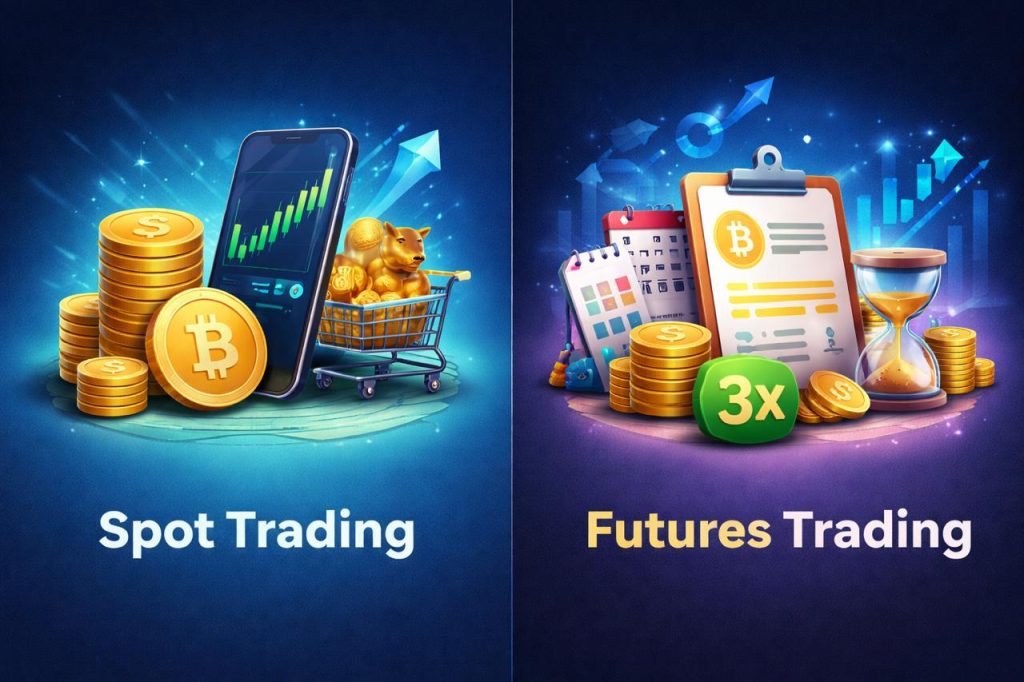
The major differentiating characteristic of Spot Trading and Futures Trading is that in Spot Trading you are the owner of the commodity; therefore, it will be in your account and its value will fluctuate according to market price.
In Futures Trading, you are not an owner of the commodity; you are simply a participant in price movement through exposure; this can be a great benefit, but it also introduces additional complexity to trading futures contracts. The value of the contract can be greatly influenced by the marketplace as well.Futures traders can use leverage to control significantly more capital with much lower initial investment amounts than Spot traders due to high margins found in Futures markets. Similarly to Spot trading, Futures trading carries both increased opportunities to generate profits but also higher potential losses that come along with using leverage to trade.
When trading Spot, a trader’s maximum exposure is the full investment made when purchasing the asset. For instance, if an asset is purchased for $1 and goes down to zero, that is a total loss of $1.
When it comes to the risk associated with Futures trades, the amount of capital placed in Margin is only part of the risk; Futures trades typically involve greater inherent risks than Spot trades because the Trader can be exposed to a sudden price drop in the underlying asset.
To mitigate potential losses incurred by unexpected changes in market prices, a trader must actively monitor markets and utilize appropriate risk management techniques.
A trader who uses Spot Markets can take additional time to analyse a Changing Market & has more flexibility regarding when they want to exit or enter trades based upon Volatility in market activity. Spot traders can typically hold through temporary price drops before making a decision to buy or sell based on their observations of market conditions. The maximum loss will always be the cost of the original investment.
Traders using Futures have less time than Spot traders to analyse changing prices since Futures options come with expiry dates, therefore traders must carefully implement sound risk management techniques when making decisions regarding when to open a new Futures position until they reach the expiration date attached to that Futures option.
Some traders prefer having strict time frame for executing their trades where others may find themselves making spontaneous decisions to trade based solely upon their interpretation of current trends and patterns.
Regardless of whether a trader uses Spot or Futures trading, all trades incur some level of transaction(s) costs associated with them to make those executions. Spot trade’s costs will generally only be found through transaction fees and/or the spread between the bid and the ask price at which they occur.In general, the following costs are simple and easy to see.
Futures trading includes other costs such as funding rate costs, rollover fees, and margin requirements; all of these costs may not be seen as bad in and of themselves but
it is important to be aware of them.
Awareness of the costs is less horrible and can help minimize surprise over time for accounts that hold for an extended period of time.
Read More: CFD vs. Spot Trading
Spot Trading—Who Typically Transacts in Spot Trading?
Spot traders will often fit the profile of:
Beginners
Long-term investors
Traders who want an easier way to trade
Individuals who want to own products directly
“Slow” is often used to describe spot trading, but slow doesn’t equal ineffective. Many individuals who have been successful traders established a long-term strategy in spot trading.
Who Typically Transacts in Futures Markets?
Futures traders will often fit the profile of:
Experienced traders
Short-term or intraday traders
Hedgers
Traders who are comfortable with leverage
The futures marketplace will be quick, disciplined, and unforgiving, however, it can also be a potent tool if utilized properly.
Emotional differences have a significant impact on both markets.
Spot trading tends to be a less emotional experience; price fluctuations can be of importance, however in most cases spot trading does not have the risk of liquidation that futures trading does.
Because the majority of trades will occur using leverage; futures traders will experience rapid emotional reactions to price movements; even small fluctuations in price can have a large impact on leveraged positions.
Your reaction to pressure will assist you in making your decision on which market to utilize.
Both markets place a high level of liquidity, particularly for the most popular assets.
That said, the futures market provides a broader level of short-term liquidity and hedging, therefore institutional and professional traders tend to utilize futures.
Conversely, spot trading is accessible and more readily understood by both inexperienced and experienced traders.Hedging: A Unique Case
Futures were created with hedging in mind. Businesses and investors utilize futures to hedge against pricing fluctuations.
For instance, if fuel prices go up and down, an airline can lock in an efficient fuel price by using futures. Spot trading does not typically apply in this capacity.
Whereas hedging is more seldom conducted by the average trader, it is still beneficial to understand.
Learning Curve: Which Is Easier?
Most traders tend to find spot trading easier to comprehend because the concepts tend to be more natural and less severe mistakes when they occur.
Hedging is more challenging to learn and requires a trader to understand such terms as margin, expiration, and contract size.
There is no rush to transition from a spot market to trading futures, and many traders choose to never do so, as this is perfectly acceptable.
Which Option is “Better”?
The question of which trading method is superior is misguided.
Rather, the better approach is to ask, “Which method(s) are best suited for me based upon my goals and experience?”
Spot trading provides simplicity, ownership, and in some situations, while futures trading provides flexibility through leverage; these two forms of trading will require varying levels of compliance to responsibilities.
The advantages of being knowledgeable of trading differences allows one to make educated decisions instead of emotional.
Can You Use a Combination of the Two?
Absolutely! Many traders are successfully utilizing both styles of trading.
Certain traders utilize spot market trading for longer-term trades and futures for shorter-term positions. Other traders will begin with a spot market trading environment and will eventually utilize futures and vice versa.
There is no single correct path for traders, but there are many smart and informed decisions available for traders who can combine both methods of trading.
Conclusion
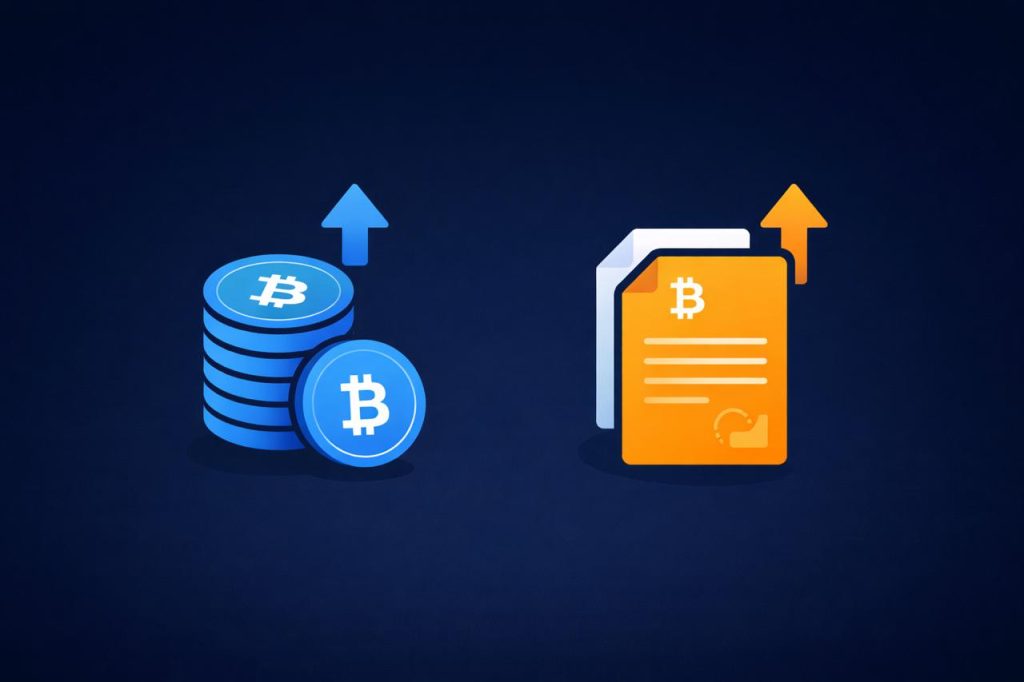
Futures trading and spot trading are the two primary paths in financial trading. The emphasis for spot trading is on the ownership of the materials, while the emphasis for futures trading is on the contract and the accuracy of the performance of the traded materials.
Neither futures trading nor spot trading is “better”; the most important factor is to have a thorough understanding of the method you intend to use before committing your trading resources and time.
Once you understand the function of both trading systems and your preference, you will know how to trade effectively and will be able to grow through the application of your trading discipline with clarity, rather than through the trial and error of negative performance over time.
Share
Hot topics

Gold symbol in forex
Introduction If you have ever opened a trading platform and searched for gold, you probably noticed a specific code instead of the word “gold.” In the forex world, assets are...
Read more




Submit comment
Your email address will not be published. Required fields are marked *