
How to profit in a bear market
When markets are rising, confidence comes easily. People feel smart, risks feel smaller, and mistakes are often forgiven by the trend.
A bear market is different, As prices decrease, so does confidence; a fearful trader will second guess his or her own rationale for trading and may even stop trading altogether. While this reaction is common during bear market cycles, it is not the only path available especially for traders who rely on a structured trading platform to manage risk, analyze market conditions, and maintain discipline.
The shift in how money moves, how traders trade, and how opportunities to take advantage of trading in bear markets will change dramatically when they occur. Understanding these changes can alter your perception of bear markets as solely negative things.
What Is a Bear Market?
A bear market refers to an extended time frame where the price of an asset class drops by at 20 percent or more from their recent peak value. The term is usually associated with stock markets; however, the idea of a bear market can exist across all asset classes, not only in stocks. Bear markets can exist in stocks, indices, cryptocurrencies, currencies, and anything that has a price associated with it.
Bear markets are typically associated with economic contraction, tighter financial conditions, declining economic confidence, etc. Compared to short-term corrections, bear markets generally last much longer in duration and have larger price declines, smaller interim price increases, and little to no consumer or investor confidence associated with them.
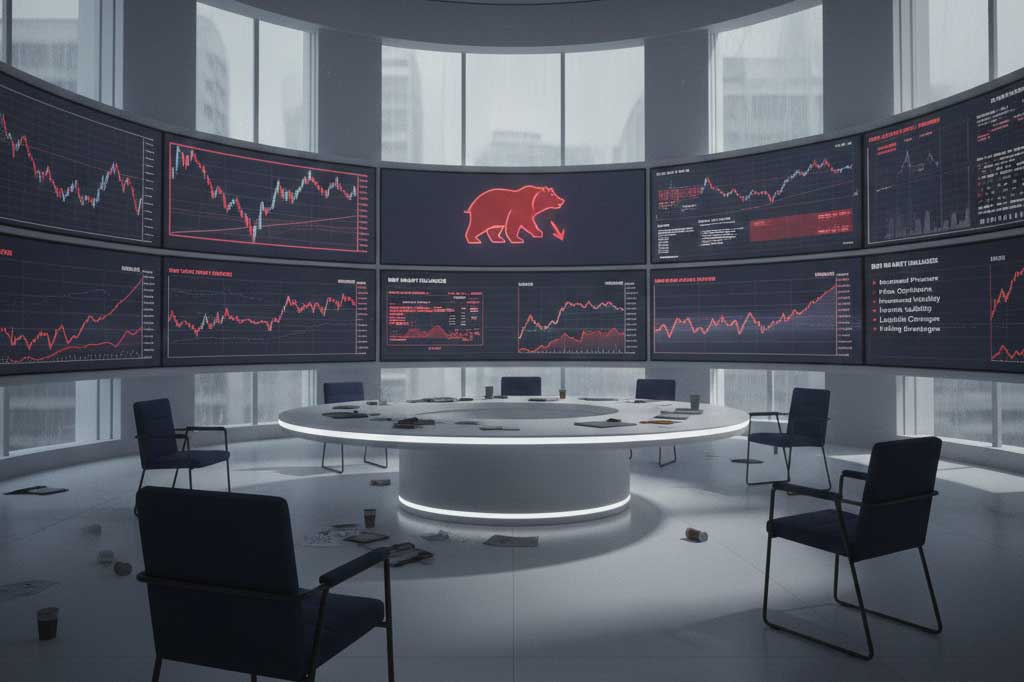
The biggest challenge created by a bear market is not just the declining price of an asset, but also a change in mindset – from being confident in an investment to having doubt in an investment, from being hopeful for the future to having fear about the future. Understanding this environment is the first step toward Profiting in Bear Markets rather than simply reacting emotionally.
Key Challenges in a Bear Market
One of the biggest challenges in a bear market is emotional pressure. Watching account values decline can push traders into rushed or defensive decisions. Another challenge is false optimism. Bear markets often include sharp upward moves that look like recoveries but fail shortly after.
Volatility also increases. Price can move quickly in both directions, triggering stops and testing patience. Liquidity conditions may change as well. Spreads can widen, execution may become less favorable, and some assets lose participation.
Finally, strategies that worked well in bull markets often fail in bear markets.
Buying every dip stops working when the overall trend is down.
Strategies to Profit in a Bear Market
Profiting in Bear Markets does not mean ignoring risk or fighting the trend. It means adapting your approach to a different type of market behavior.
-
Trading With the Downtrend
One of the simplest concepts is trading in the direction of the trend. In a bear market, that trend is usually downward.
Traders may look for opportunities to sell rallies rather than buy dips. This aligns trades with broader market pressure instead of against it. Clear structure and confirmation are important. Entering too early can be costly in volatile conditions.
-
Short Selling
Short selling allows traders to profit from falling prices. Instead of buying an asset, you sell it first and aim to buy it back at a lower price.
This strategy works best in clearly defined downtrends. Discipline, position sizing, and respect for your stops are essential as a trader. Short selling may not be an option for everyone but can be utilized by advanced traders as a big bear market opportunity to generate returns.
-
Trading Volatility VS Direction
The bear market has widely increased the level of volatility in the market. A lot of traders have started focusing less on trading based on their perception of the long-term direction of the market and more on trading based on shorter-term price fluctuations.
Swing trading will become more prevalent during volatile times, as will intraday trading. The goal of trading is to take advantage of smaller price movements while limiting your risk from trade to trade.
Traders will need to be able to choose quickly and must follow stringent rules in a volatile environment. Volatility can greatly impact the value of both winning and losing trades.
-
Capital Preservation as a Strategy
Sometimes, the best decision is not aggressive trading. Reducing exposure and protecting capital is a valid strategy.
Staying selective allows traders to avoid unnecessary losses. It also preserves capital for future opportunities when conditions improve. Not losing money during a bear market can be just as important as making it.
Tools to Identify Bear Market Conditions
Identifying a bear market does not require complex models. Simple tools often provide clear signals.
Read More: Best AI for Trading Signals in 2026
-
Market Structure
Lower highs and lower lows are a sign that the structure is bearish. If this pattern is seen in multiple timeframes, be very cautious. When support levels get broken and then turn into resistance these are also warning signs. They demonstrate that there is a change in control in the market.
-
Moving Averages
Trend direction can be determined by using long-term moving averages. Bearish conditions usually rule when price has been consistently trading below a large number of moving averages.
Crossing and sloping moving averages can provide additional confirmation. Moving averages are meant to be used as guides rather than predictive models.
-
Volume and Momentum
Strong selling volume during declines and weak volume during rallies often confirm bearish sentiment.
Momentum indicators may stay in negative territory for extended periods. These tools help traders avoid fighting the market. They reinforce the importance of aligning with broader conditions.
Stable charting and execution environments matter when using these tools. Many traders rely on platforms available through Otet Markets to monitor trends and manage trades efficiently during volatile phases.
Risk Management in Bear Markets
Risk management becomes more important when markets decline. Mistakes are punished faster and more severely. Position sizing should often be reduced. Volatility increases risk even when setups look strong.
Stop losses should be placed logically and respected consistently. Moving stops emotionally usually leads to larger losses. Diversification can help reduce exposure to a single idea or asset. Spreading risk across instruments can ease psychological pressure. In bear markets, survival is success. Capital preserved today creates flexibility tomorrow.
Mistakes to Avoid in a Bear Market
One common mistake is refusing to accept changing conditions. Traders often hold onto bullish expectations for too long.
Another mistake is overtrading. High volatility can create the illusion of endless opportunity.
Trying to catch market bottoms is also dangerous. Bear markets can continue longer and fall further than expected.
Ignoring the dominant trend is costly. Even strong setups can fail when the overall environment is bearish.
Finally, abandoning discipline due to fear or frustration breaks consistency. A plan only works when it is followed.
Read More: What is a trading setup
How Long Do Bear Markets Usually Last?
Bear markets vary significantly in length. Some last only a few months, while others extend for years.
Historically, bear markets tend to be shorter than bull markets. However, they feel longer because losses affect emotions more strongly.
Economic data, central bank policies, and global events all influence duration. There is no reliable way to predict the exact end.
Instead of waiting for certainty, experienced traders adapt. They focus on current conditions rather than future hopes.
Conclusion
Bear Markets are uncomfortable in nature, testing everybody’s patience, discipline, and emotional control; however, there are many valuable lessons learned during Bear Markets such as managing risk, refining strategies, and being much more selective when trading. Profiting from bear markets is not a function of trading more aggressively or having to trade continually; rather, it is a matter of having a solid understanding of your trading environment (bear markets) as well as setting reasonable expectations based on your understanding of the bear market.
Traders can stay engaged by following trends, balancing their risk correctly and using the right tools to navigate through a bear market. Markets will come back from their bear market performance; however, traders will still use the skills developed from experience with bear markets long after the end of them.
FAQ
A bear market would be considered a period during which the price of an asset has fallen by at least 20% from a recent high. Bear markets typically occur due to high levels of economic insecurity and a lack of confidence by investors.
Bear markets demonstrate extensive losses, caused by reluctance to buy and lack of consumer confidence, while bull markets demonstrate increasing prices due to optimism and high levels of expectations for continued strong growth.
Yes! Many traders earn money during bear markets by adapting their trading strategies to capitalize off of downward trends. Examples of viable strategies include short selling, taking advantage of an upward trend, and finding the most volatile stocks to trade with strict risk management measures.
Some common strategies for making money in a bear market include: using a downtrend trading strategy, short selling, taking advantage of swings in short-term price fluctuations, and preserving your capital during periods of uncertainty.
The duration of a bear market is generally much longer than a bull market and can last for several months to more than a few years depending on regional/national economic conditions, the structural make up of the markets, and external factors.
If traders have high levels of experience or come from a financial background, they may benefit from remaining all cash during times of heightened uncertainty. Other types of traders have the ability to utilize their respective knowledge and experience by trading selectively using the proper trading platforms combined with effective risk control depending upon their respective situations in the current market.
Share
Hot topics
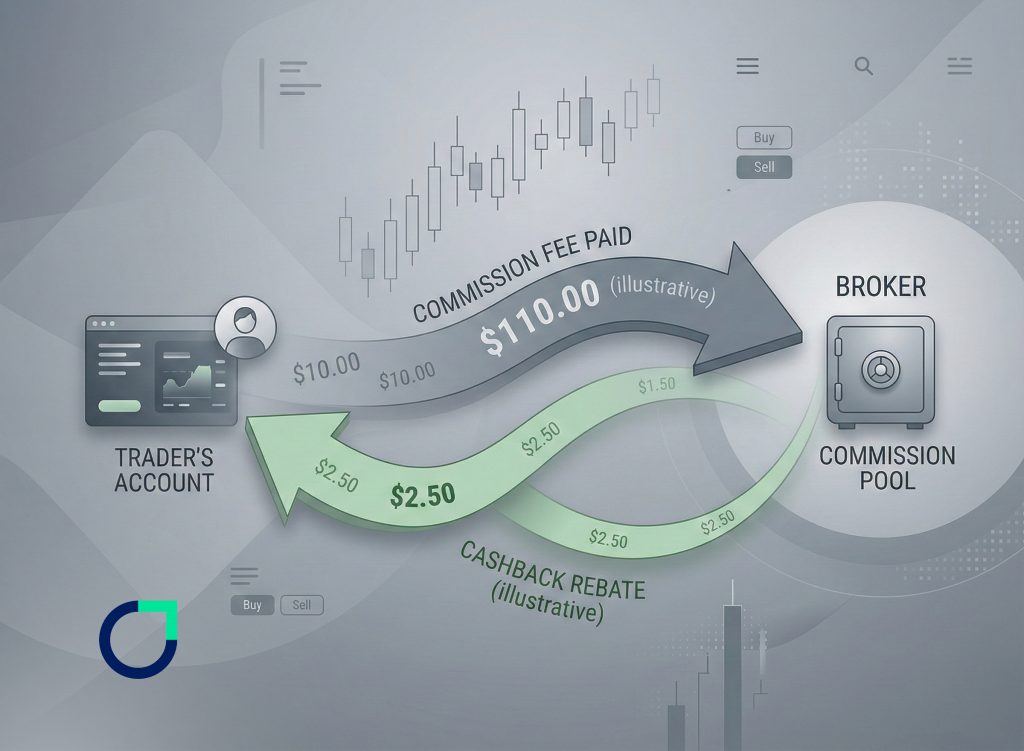
What is Forex Rebate
Introduction If you have been trading Forex for a while, you have probably noticed that every trade comes with a cost. Whether it is spread, commission, or both, trading is...
Read more




Submit comment
Your email address will not be published. Required fields are marked *