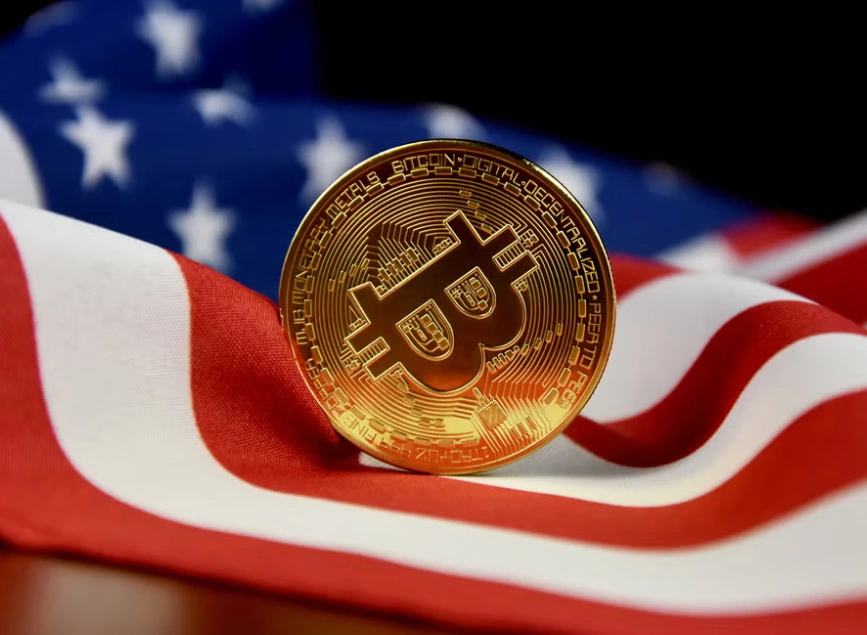
Top 5 Made in America cryptocurrencies You Should Watch in 2026
Estimated reading time: 4 minutes
Table of contents
Why “Made in America” Matters in Crypto
So what makes U.S.-origin cryptocurrencies so influential? Here’s what sets them apart:✅ Advanced Regulatory Environment
The U.S. may not have perfect regulations, but it offers more defined legal frameworks compared to many countries, giving investors a sense of confidence and legitimacy.✅ Strong Technical Infrastructure
Access to world-class developers, universities, venture capital, and infrastructure makes the U.S. an innovation engine for blockchain.✅ Global Economic Relevance
U.S. projects are often focused on real-world financial impact, from smart contracts and Web3 to AI integration and institutional DeFi.Read More: Growing Interest Among American Investors in Cryptocurrencies
Spotlight on Top U.S.-Based Cryptocurrencies
Let’s look at some of the most prominent and promising cryptocurrencies that wear the “Made in America” badge with pride:| Project | Focus Area | Noteworthy Highlights |
|---|---|---|
| Chainlink (LINK) | Decentralised Oracles | Partners with Google, SWIFT; data layer for Web3 |
| Solana (SOL) | High-speed Blockchain | Ultra-fast transactions; backed by top U.S. VCs |
| Avalanche (AVAX) | Scalable Ecosystems | Cornell-born project; unique Avalanche Consensus |
| Uniswap (UNI) | DEX / DeFi Infrastructure | #1 decentralised exchange; U.S.-based core team |
| Polkadot (DOT) | Interoperability | Global devs, but U.S. partners dominate key support |
🔎 Emerging U.S.-backed stars: Aptos (APT), Arbitrum (ARB), Celestia (TIA), each making waves in modular blockchain and L2 solutions.
Key Advantages of U.S.-Built Crypto Projects
- ✅ Access to major venture capital (Sequoia, a16z, etc.)
- ✅ High transparency in development, roadmaps, and audits
- ✅ Integration potential with U.S. financial institutions
- ✅ Early adoption by enterprises and Web3 startups
Risks & Challenges You Shouldn’t Ignore
Even American-born projects aren’t immune to the rough terrain of crypto. Watch out for:⚠️ Overregulation from the SEC and CFTC
The U.S. SEC has already classified some tokens as securities. Legal scrutiny may delay launches or create compliance hurdles for both developers and investors.🎯Institutional Overreach
Some U.S. projects may drift away from decentralisation to attract big-money players, leaving retail users sidelined.Read More: Exploring Alternative Investments: Gold, Crypto & Beyond
Investment Opportunities in U.S. Cryptocurrencies
Wondering where to place your crypto bets? Here’s why U.S.-origin projects are worth watching, especially if you are interested in made in America cryptocurrencies: 🎯 Foundational infrastructure for Web3, DeFi, and AI Projects like Chainlink and Uniswap are powering decentralised applications across industries. ⚠️ Strong legal and community backing You’re not just investing in code—you’re investing in a team with access to resources, PR, and regulatory support. 🎯 High upside in emerging players Aptos, Arbitrum, and Celestia are grabbing market share fast and come with institutional-grade backing.Final Thoughts: America’s Role in Shaping Crypto’s Future
The United States isn’t just another player, it’s a launchpad for global innovation in crypto. American projects continue to lead in adoption, funding, and tech breakthroughs. Despite the legal grey areas and growing pains, they offer an ecosystem where serious ideas can scale fast. 👉 Whether you’re a cautious investor or a bold early adopter, keeping an eye on Made in America cryptos could give your portfolio a strategic edge, especially when investing in made in America cryptocurrencies.❓ FAQ
Are U.S.-based cryptocurrencies safer to invest in?
While regulatory clarity in the U.S. offers some protection, crypto is still high-risk. Due diligence is always essential.
Is Solana really American?
Yes. Solana Labs is headquartered in San Francisco and backed by U.S.-based venture firms.
What makes Chainlink unique among U.S. crypto projects?
Chainlink powers decentralized oracles, a critical infrastructure layer for DeFi and Web3 applications.
Can the SEC shut down these projects?
Not directly, but lawsuits and legal classifications (e.g., as securities) can impact token performance and project growth.
Share
Hot topics

What is News Trading in Forex? A Complete Guide to Event-Driven Strategy
Introduction If you have ever watched the forex market during a major economic announcement, you know how dramatic it can be. Prices jump within seconds. Spreads widen. Volatility explodes. For...
Read more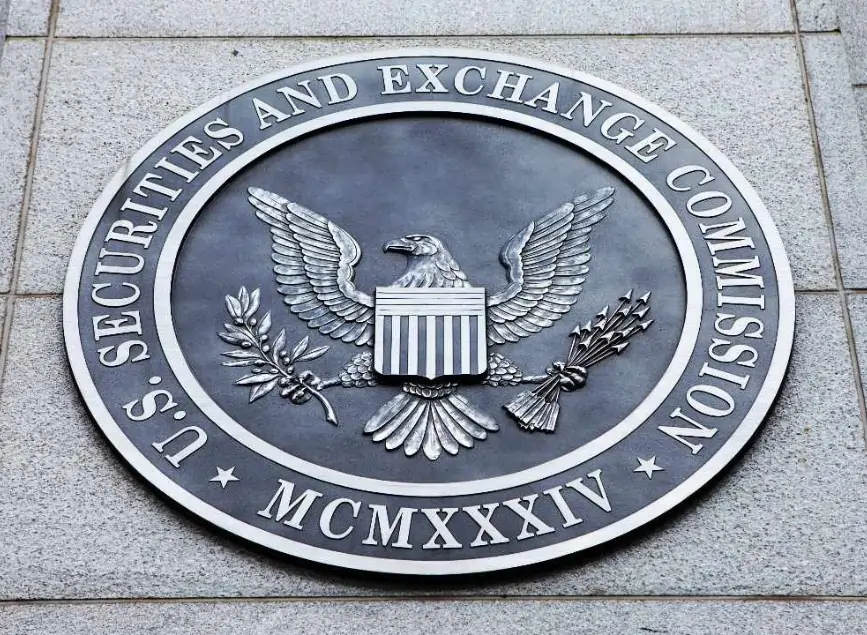


Submit comment
Your email address will not be published. Required fields are marked *