
Best Crypto Wallet Trackers for 2026
A few years ago, keeping track of crypto was fairly simple. In 2026, the situation regarding digital assets is vastly different compared to when you initially purchased your coin (which was likely stored in one location) and tracked its price periodically. Compared to 2026, most people now hold multiple different assets, including crypto assets, stored throughout multiple wallets, exchanges, and blockchains. Without knowing where to start with all these different assets/systems, it can be confusing.
This is why tracking tools have become so important. They help bring order to what can otherwise feel like scattered information. In this article, we’ll look at how these tools work, why they matter in 2026, and how to choose the right one—without turning things into something complicated or technical.
Why Visibility Matters in Crypto
Crypto markets don’t move slowly. There can be significant price changes in assets as they are displayed on various platforms at different times.Therefore, if your assets are located on multiple platforms you do not know the actual level of exposure to risk and performance.
For example, you may have 1 Bitcoin in one wallet and some Ethereum in another wallet and some smaller tokens in an Exchange account. Each platform provides information only regarding their respective assets, so without all of these platforms combined, you may feel like you have adequate diversification, when in fact you do not, and you will not be able to track any gains or losses associated with your investments.
In contrast, having one location to review your total assets will enable you to clear any confusion and allow you to make decisions based upon solid data rather than guesswork.
What These Tools Actually Do
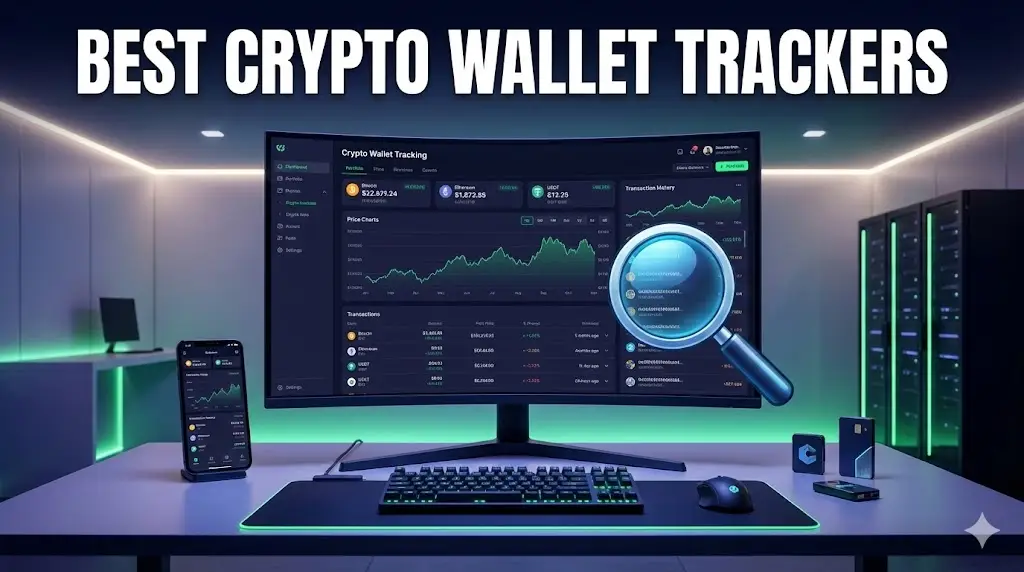
Crypto Tracking Tools basically provide a grown-up way (and clean) to see all of your crypto investments through wallets and exchanges using data compiling methods. Most Crypto Tracking Tools utilize public wallet addresses or read-only connections. In essence, these encrypted links allow them to view wallet balances but not to transfer funds.
Think of Crypto Tracking Tools as dashboards for investment portfolio management. If you were to check five different applications to be able to manage your portfolio then you would need to open a screen where you could instantly see what was happening with your crypto portfolio, including total balances, asset allocations, price changes, and frequently even historical data.
For many users, moving from manual tracking to a crypto portfolio tracker feels like switching from handwritten notes to a smart spreadsheet. Everything becomes faster and more reliable.
Read more: What Is a Digital Wallet?
Who Benefits the Most From Tracking Tools?
These tools are not just for professional traders. In fact, casual investors often benefit the most.
If you hold assets long-term, tracking helps you see growth over months or years. If you trade occasionally, it helps you understand what’s working and what isn’t. Even people who rarely trade gain peace of mind by knowing exactly where their assets are.
If you own more than one crypto asset, having an organized overview quickly becomes essential.
Key Features to Look for in 2026
Not all platforms offer the same experience. As crypto adoption grows, expectations have changed. Here are the features that matter most today.
-
Multi-Chain Support
Bitcoin and Ethereum are no longer enough. Modern tools should support multiple blockchains and tokens.
-
Exchange Connectivity
Many users still keep assets on exchanges. Read-only API connections allow tracking without compromising security.
-
Accurate Price Data
Real-time or near-real-time prices help avoid misleading portfolio values.
-
Clear Performance Insights
Simple profit and loss views, asset allocation charts, and historical trends are far more useful than complex metrics.
-
Strong Privacy Standards
Good platforms never ask for private keys and make access easy to revoke.
Why Simple Design Is a Big Advantage
One common mistake in crypto tools is overloading users with information. Too many charts and numbers can make things harder, not easier.
The best platforms focus on clarity. They show only what matters and explain it in plain language. You shouldn’t need a finance background to understand your own portfolio.
A well-built cryptocurrency management app feels intuitive. You learn how to use it naturally, without tutorials or constant confusion
Different Types of Tracking Platforms
Most tracking tools fall into one of three categories.
-
Mobile-Focused Apps
Designed for quick checks and notifications.Great, for users who want instant information while on the go.
-
Web-Based Dashboards
Often more detailed, offering deeper insights and reports. These suit users who prefer a bigger screen.
-
Hybrid Platforms
Combining mobile convenience with advanced web features. These are becoming more common in 2026.
There’s no universal best option. The right choice depends on how often you check your assets and how much detail you want.
A Simple Real-Life Scenario
Let’s say a person holds crypto across several wallets and one exchange. checks prices using different apps and sometimes forgets about smaller holdings.
After using a tracking tool, notices that one asset takes up a much larger share of his total value than expected. That insight encourages to rebalance and reduce risk.
This kind of awareness is the real value of a wallet tracker. It doesn’t just show numbers—it helps prevent blind spots.
Security Should Always Come First
No matter how polished a platform looks, security is non-negotiable.
Safe tools:
- Never ask for private keys or recovery phrases
- Use read-only access where possible
- Allow users to disconnect accounts easily
As mentioned in the previous paragraph, it’s Smart to find out how your information (or data) is protected and what a company’s privacy practices are before using their services.
Any reputable company will recognize the importance of establishing trust with its customers in 2026, and offer helpful tools and resources to do so.
Free vs Paid Options
Many platforms offer free plans with basic features. For many users, this is more than enough.
Paid versions usually include advanced analytics, tax-related tools, or higher connection limits. These features can be useful for active traders or larger portfolios.
The key question isn’t price—it’s usefulness. Otetmarkets suggests that a simple free tool that you understand is far better than a complex paid one you rarely use.
Long-Term Holding and Portfolio Awareness
For long-term investors, tracking isn’t about daily price movements. It’s about seeing the bigger picture. Over time, tracking tools help answer questions like:
- How has my portfolio changed over the years?
- Which assets consistently perform better?
- Am I overexposed to one category?
Clear visuals make it easier to stay patient and avoid emotional decisions.
Beyond Coins: DeFi and NFTs
Many portfolios now include staking, liquidity pools, and NFTs. Modern tools are increasingly designed to handle these assets as well.
Being able to see locked funds, rewards, and non-fungible assets in one place adds another layer of clarity. As portfolios grow more complex, flexibility becomes a must-have feature.
Common User Mistakes
Mistakes happen even with adequate instruments. Some traders use pricing alerts and do not utilize allocation methods. Some traders do not keep their exchanges connected; therefore they do not receive current updates. Connecting multiple sites can create problems instead of solutions.
You don’t need a perfect tool, you just need to be consistent in your efforts
How to Choose the Right Tool for You
Instead of looking for the “best” platform, look for the right fit.
Ask yourself:
- How many wallets do I use?
- Do I need exchange tracking?
- Do I prefer simplicity or detailed analytics?
- Will I use it daily or occasionally?
Your answers will guide you toward a tool that actually helps, not overwhelms.
Why 2026 Feels Different
Crypto tools have matured. They are no longer exclusively being developed for professionals. Today’s platforms cater to the average consumer who prioritizes simplicity and transparency in their investing efforts. With the growing complexity of many types of investment portfolios and the increasing number of laws regulating these types of investments, the ability to easily navigate through all of the various pieces and parts has become a fundamental need—rather than simply being a luxury.
A proper system will allow you to feel confident, educated, and organized with respect to your portfolio.
Final thoughts
Investing in Crypto can be just as structured and organized as other forms of investments if you have the right strategy and the right tools for the job. You can visually identify where your assets have been put and what their current values are; therefore, allowing you to make better financial decisions while also minimising unnecessary risks during a volatile market environment. Having an understanding of your own portfolio will be one of the most beneficial things you can do as a long-term holder or an active trader of cryptocurrencies. Clarity will not always produce gains, but it will always support you to make smarter decisions about your money.
Share
Hot topics
What is Balance in Forex? A Complete Guide for Traders
Introduction When you open a trading account for the first time, one of the first numbers you see on your screen is your balance. It looks simple. It looks clear....
Read more



Submit comment
Your email address will not be published. Required fields are marked *