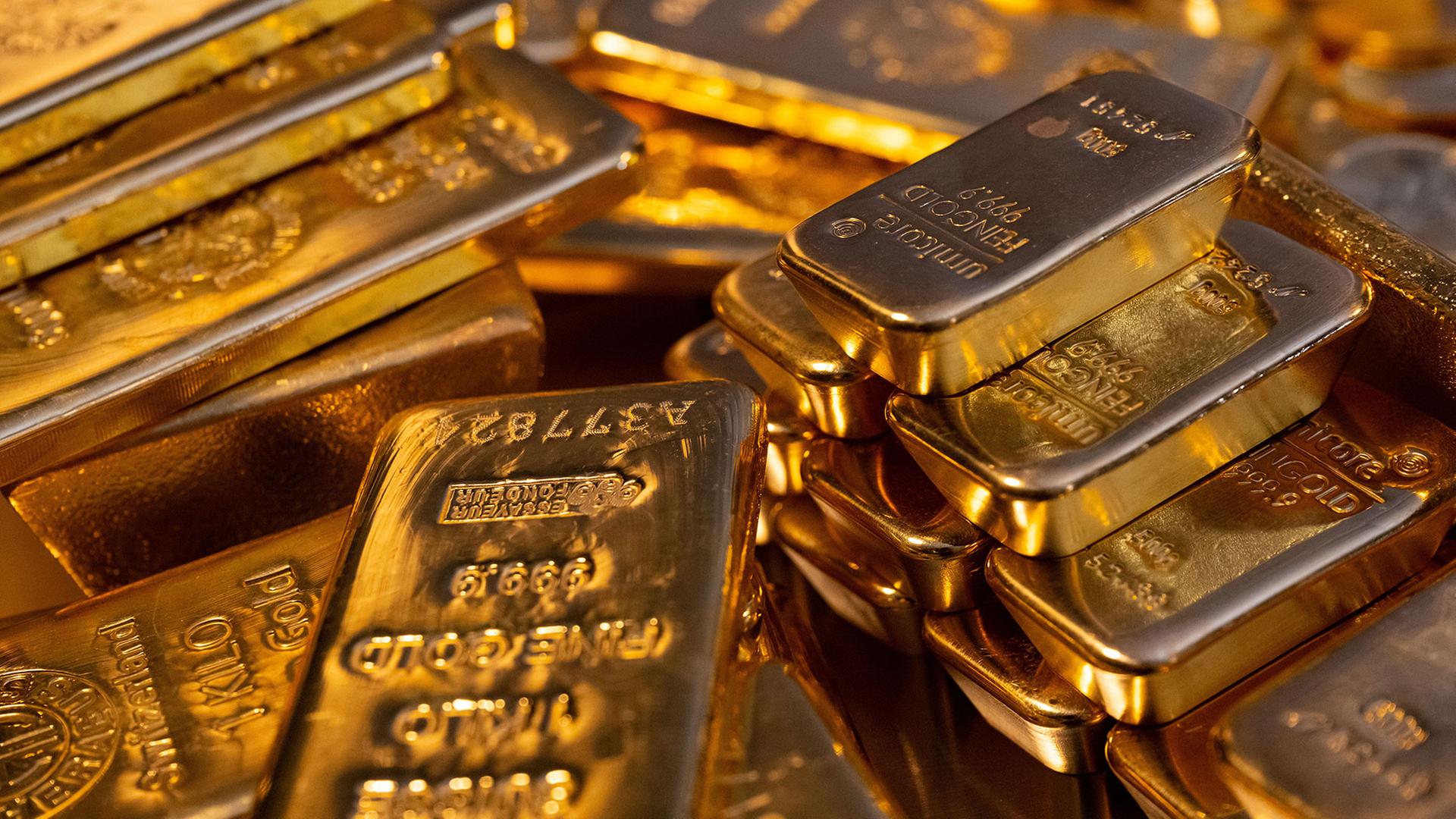
Gold Holds Above $4,700 as Ceasefire Eases Inflation Concerns
Gold Supported by Lower Oil Prices and Softer Dollar
Gold traded above $4,700 per ounce on Friday, extending a rally that has left the metal poised for a third straight weekly advance. The price action followed a US-Iran ceasefire that led to a notable drop in oil prices, reducing fears that renewed inflationary pressures could prompt additional interest rate increases.
The softer US dollar also underpinned bullion, as the currency had previously emerged as the primary safe-haven asset during the recent crisis. With concerns over an escalation in inflation and rates easing, gold continued to find support amid shifting risk sentiment.
Geopolitical Focus on US-Iran Talks and Regional Tensions
Investors shifted focus to upcoming diplomatic engagements, particularly talks scheduled in Islamabad over the weekend. US Vice President JD Vance is set to lead a US delegation in meetings with Iranian officials, a development that market participants are monitoring for potential implications for regional stability and energy markets.
At the same time, Israeli Prime Minister Benjamin Netanyahu stated that ongoing operations in Lebanon are not covered by the US-Iran ceasefire agreement. Washington is preparing to host additional discussions next week involving Israel and Lebanon aimed at advancing broader truce efforts.
Separately, US President Donald Trump warned Iran over the imposition of transit fees in the Strait of Hormuz and criticized its approach to handling oil shipments. These comments highlighted continuing tensions around critical energy transport routes, even as the ceasefire provided some relief to markets concerned about further disruptions.
FAQ
Why is gold trading above $4,700 per ounce?
Gold is trading above $4,700 per ounce as it benefits from a decline in oil prices after the US-Iran ceasefire, easing worries about renewed inflation and additional interest rate hikes, and from support provided by a softer US dollar.
How did the US-Iran ceasefire affect financial markets?
The US-Iran ceasefire triggered a sharp fall in oil prices, which reduced concerns over inflation and potential interest rate increases, and contributed to a shift in safe-haven demand away from the US dollar and toward gold.
What diplomatic events are investors watching now?
Investors are watching diplomatic talks in Islamabad this weekend, where US Vice President JD Vance will meet Iranian officials, as well as planned discussions in Washington next week involving the US, Israel, and Lebanon on broader truce efforts.
What recent statements have added to regional uncertainty?
Israeli Prime Minister Benjamin Netanyahu reiterated that operations in Lebanon are not covered by the US-Iran ceasefire, and US President Donald Trump warned Iran over transit fees in Hormuz and criticized its handling of oil shipments, underscoring ongoing regional tensions.
Share
Hot topics

Gold symbol in forex
Introduction If you have ever opened a trading platform and searched for gold, you probably noticed a specific code instead of the word “gold.” In the forex world, assets are...
Read more


Submit comment
Your email address will not be published. Required fields are marked *