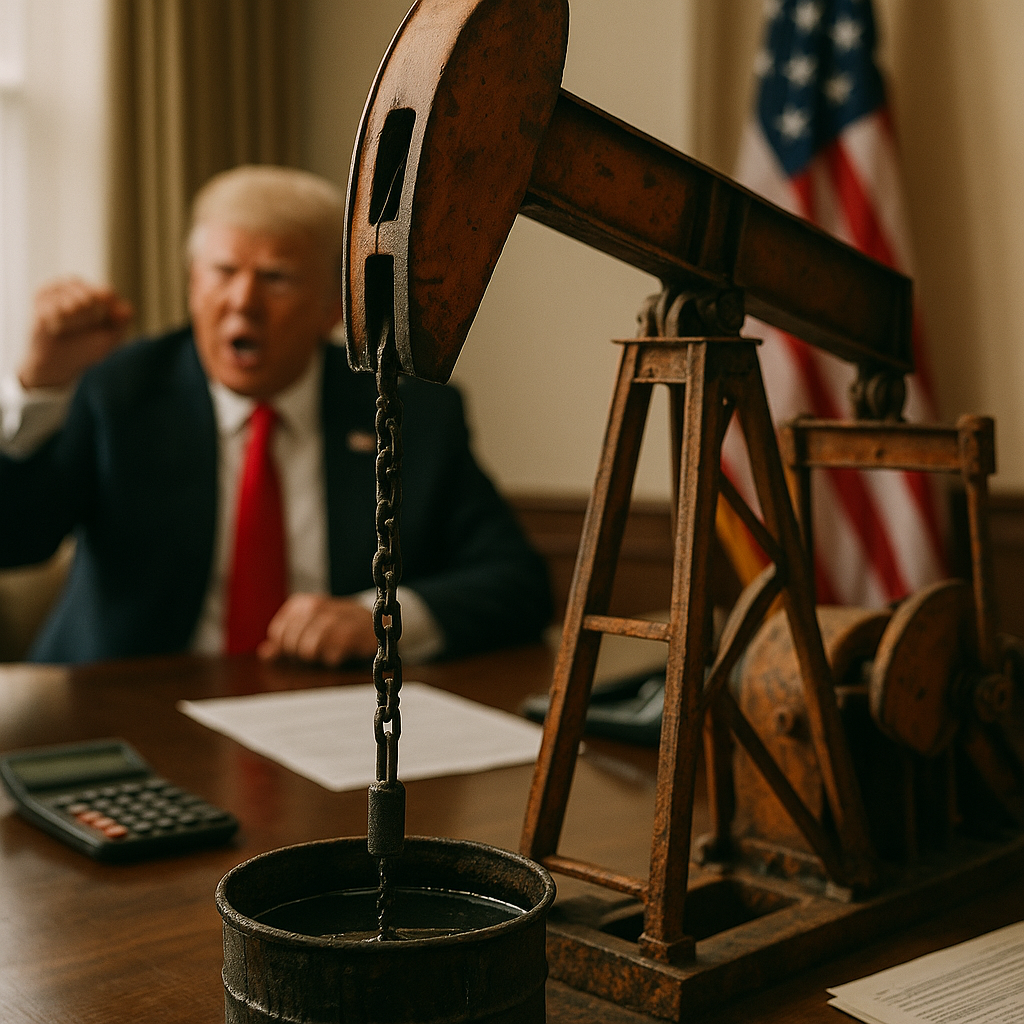
Oil Prices Extend Gains as Markets Focus on U.S. Deadline Over Strait of Hormuz
Crude Futures Climb on Supply Risk Concerns
Brent Oil Futures expiring in June rose 1.7% to $110.77 per barrel in Asian hours on Monday, following a surge of nearly 8% on Thursday. West Texas Intermediate (WTI) crude futures were largely unchanged at $111.95 per barrel after gaining more than 11% in the last full trading session before the Good Friday holiday.
The price moves came as investors reacted to renewed geopolitical risk in the Gulf region. Shipping through the Strait of Hormuz has been heavily constrained for weeks, and the latest U.S.–Iran standoff raised concerns about further disruption to global oil flows.
President Donald Trump stated on Sunday that Iran must reopen the Strait of Hormuz by Tuesday, specifying an 8 p.m. Eastern Time deadline for tanker traffic to resume through the strategic waterway. In posts on Truth Social over the weekend, he intensified pressure on Tehran, warning of severe consequences if Iran does not “Open the Fuckin’ Strait.”
On the Iranian side, Presidential spokesperson Seyyed Mohammad Mehdi Tabatabaei said that transit through the strait could resume only if part of the revenue is allocated to compensate Iran for war-related damages. The opposing positions increased fears of a potential escalation in the Gulf.
Limited Impact Seen From OPEC+ Output Increase
The Organization of the Petroleum Exporting Countries and allies (OPEC+) agreed that eight member countries would raise output by a combined 206,000 barrels per day for May. However, traders regarded the planned increase as largely theoretical under current conditions, as much of the additional crude may not immediately reach the market due to logistical constraints.
The renewed strength in crude prices has reinforced broader inflation concerns across financial markets. Higher energy costs are expected to put additional pressure on transport, manufacturing, and consumer sectors worldwide if the Strait of Hormuz remains blocked and supply remains constrained.
FAQ
Why did oil prices rise in Asian trading on Monday?
Oil prices rose as investors focused on President Donald Trump’s deadline for Iran to reopen the Strait of Hormuz, heightening concerns over potential supply disruptions and extending strong gains from the previous trading session.
What were the latest prices for Brent and WTI futures?
Brent Oil Futures for June delivery increased 1.7% to $110.77 per barrel, while West Texas Intermediate (WTI) crude futures were largely unchanged at $111.95 per barrel after sharp gains in the prior session.
What action did OPEC+ take on production?
OPEC+ agreed that eight member countries would raise output by 206,000 barrels per day in May, though traders viewed the increase as largely theoretical given logistical constraints that may prevent the additional crude from quickly reaching the market.
How could these developments affect inflation?
The rise in crude prices is reinforcing inflation concerns, as higher energy costs are expected to increase input and operating costs for transport, manufacturing, and consumer sectors globally if the Strait of Hormuz remains blocked.
Share
Hot topics

What is Balance in Forex? A Complete Guide for Traders
Introduction When you open a trading account for the first time, one of the first numbers you see on your screen is your balance. It looks simple. It looks clear....
Read more




Submit comment
Your email address will not be published. Required fields are marked *